How To Treat Effluent Water

Alright, let’s talk about something that sounds super gross but is actually kind of magical: effluent water. That’s just a fancy name for the water that goes down your drain,...

Alright, let’s talk about something that sounds super gross but is actually kind of magical: effluent water. That’s just a fancy name for the water that goes down your drain, flush, or factory pipe. We’re going to turn that murky, smelly stuff into something clean enough to swim in (well, maybe not swim, but definitely not gross you out).
First, What’s the Big Deal?
You see, every time you do laundry, wash dishes, or, uh, flush, you’re creating effluent. Mother Nature is spectacular at cleaning water, but she needs a little help when we have seven billion humans doing all that flushing. That’s where we come in with some clever, science-y tricks.
Think of it like a spa day for dirty water. We’re talking special filters, friendly bacteria, and a whole lot of patience. And hey, the result is water that can go back to rivers, water plants, or even be reused—way better than the alternative!
Must Read
Step 1: The Big, Obvious Stuff (Preliminary Treatment)
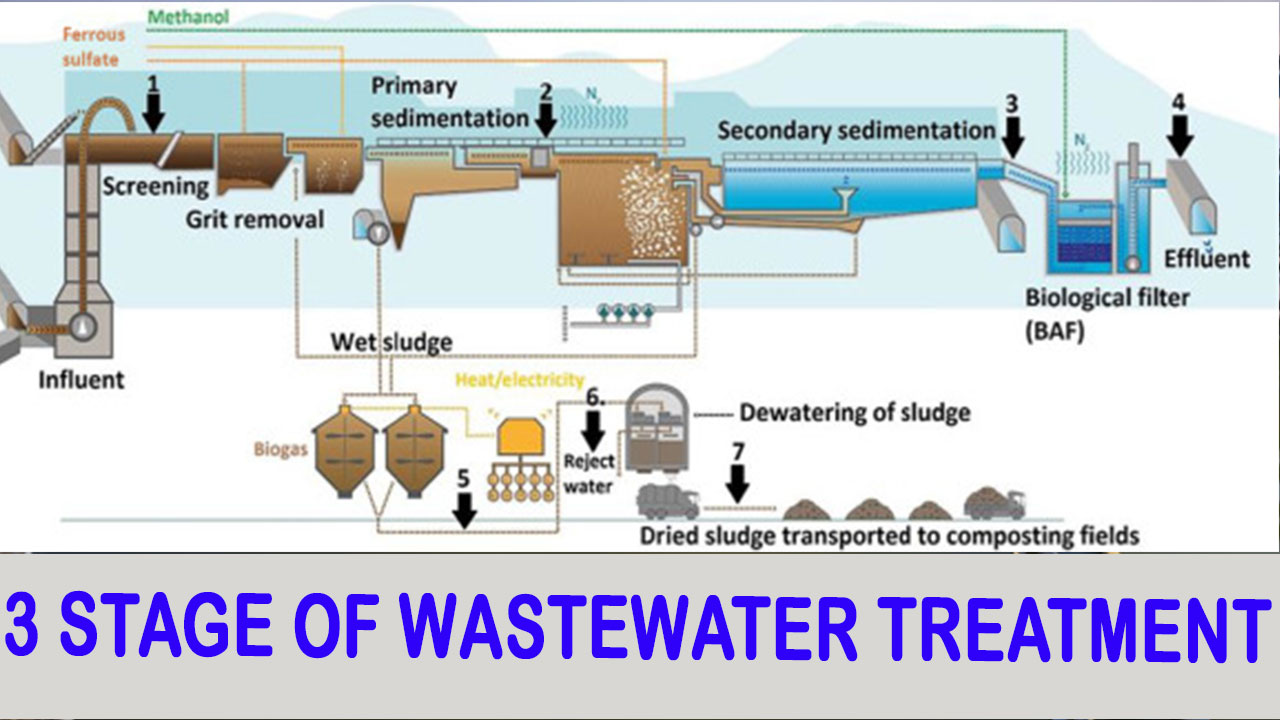
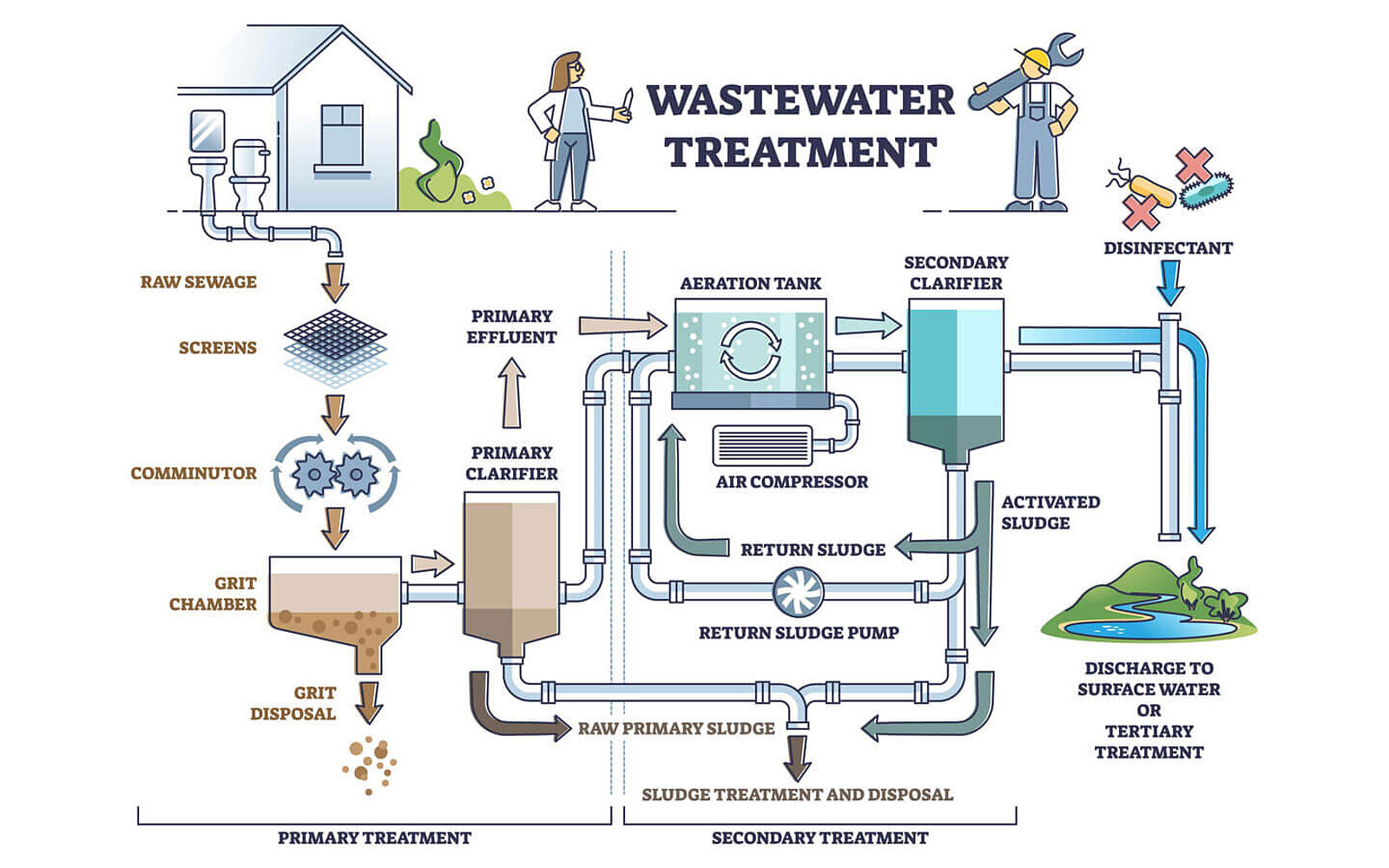
First up, we have to get the chunky stuff out. I’m talking about the stuff you definitely don’t want to imagine. This step is literally called screening—it’s like a bouncer at a club, but for rags, sticks, and the occasional lost toy.
Then comes the grit chamber. It’s a slow-moving pool where sand, gravel, and coffee grounds sink to the bottom. It’s basically a fancy sink for gravity to do its job. We remove all this muck so it doesn’t destroy the expensive pumps later—it’s the ultimate ick intervention.
Step 2: The Settling Game (Primary Treatment)
Now the water moves into a massive tank called a clarifier. Think of it as a gigantic, peaceful swimming pool where the water just chills out for a few hours. Without any splashing, heavy solids (sludge) sink to the bottom, and lighter stuff like grease and oil floats to the top like a gross, greasy raft.
We scrape that floating greasy stuff off the top and pump the sludge from the bottom. By now, we’ve removed about 50% of the yuckiness. Not bad for just letting it sit around and do nothing, huh? It’s the laziest, most productive part of the whole process.
 Three Stages Of Wastewater Treatment 1362x624
Step 3: The Bacteria Party (Secondary Treatment)
This is where the magic happens. We add billions of hungry, good-natured bacteria. These tiny dudes are like Pac-Man for pollutants. They gobble up the dissolved organic matter (think soap, food bits, and poo particles) that’s still left in the water. It’s a microscopic rave, and everyone’s eating.
There are two main ways to throw this party. One is the activated sludge process, where we bubble oxygen into the water (like a jacuzzi for sludge) so the bacteria can breathe and eat faster. The other is a trickling filter, where the water drips over a bed of rocks coated in a slimy layer of bacteria—they literally feast as the water trickles by.
After the bacteria have full bellies, the water goes into another clarifier to settle out the bacterial slime (which gets recycled to eat more yuck!). The result? The water is now 95% clean. It’s no longer gross—it’s just a little murky.
Step 4: The Final Polish (Tertiary Treatment)
If we want water so clean you’d drink it (and some cities do, just to be safe), we need the fancy stuff. This step uses filters made of sand, charcoal, or even tiny membranes. It’s like putting the water through a really, really fine sieve. We’re removing tiny particles, leftover bacteria, and even dissolved phosphorus from detergents.
 Traitement efficace des eaux usées et rôle du COT - Elementar
Sometimes, we zap it with ultraviolet light or add a tiny bit of chlorine. This is the final boss of the treatment—killing any last germs trying to hide. After this, the water is often cleaner than the river it flows back into. We’ve basically given it a makeover that would make Cinderella jealous.
A Little Bonus: What About the Sludge?
You might be wondering, “What happens to all that poop sludge we scooped out?” Great question! It doesn’t just disappear. Those solids are put into a big tank called a digester where more bacteria (yep, more bacteria!) chew them up. This produces methane gas, which can be burned to power the entire treatment plant.
The leftover solid matter becomes a nutrient-rich fertilizer called biosolids. Farmers spread it on fields! So, your dinner from last week might help grow next year’s carrots. It’s the circle of life, baby, just a little more… earthy.
The Feel-Good Finale
So, next time you flush that toilet or watch the rain wash a street, remember this: effluent treatment is a victory dance for the planet. It’s a process that turns our mess into a resource, our pollution into a blessing. We take the world’s worst leftovers and transform them into something life-giving. You are part of that loop every single day.
And honestly? If a bunch of gross sludge can become a source of energy and clean water, you can definitely handle that pile of laundry sitting in your basket. You’ve got superpowers, friend—even if they stem from a wastewater treatment plant. Go be a water hero!
