Why Is My Well Water Black

You walk to the kitchen sink, grab a glass, and turn on the tap. Instead of crystal-clear water, a dark, inky stream pours out. It looks like you’ve tapped into a secret oil w...
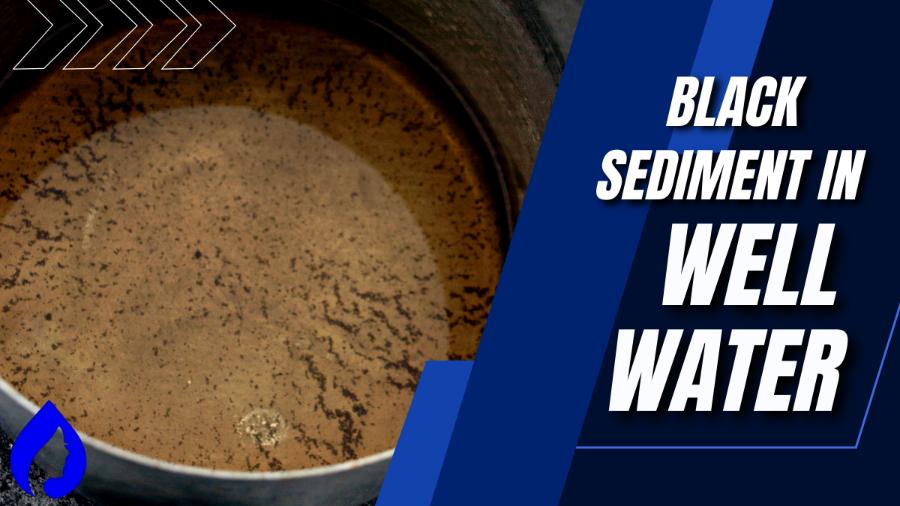
You walk to the kitchen sink, grab a glass, and turn on the tap. Instead of crystal-clear water, a dark, inky stream pours out. It looks like you’ve tapped into a secret oil well or brewed a pot of licorice tea. Don’t panic—you haven’t suddenly moved to a haunted house.
Seeing black water from your well is startling, but it’s often a fixable problem rather than a disaster. Think of it like your car’s check-engine light: annoying, but a clear signal something needs attention. Let’s figure out what’s turning your water into a moody, dark character.
The Usual Suspects: What Makes Well Water Black?
Black water typically comes from one of two things: manganese or iron. These are natural minerals found in soil and rock. When they mix with oxygen, they oxidize and turn dark brown or black.
Must Read
Imagine slicing an apple and leaving it out. It turns brown. That’s oxidation. Your well water does the same thing, but instead of a fruit, it’s minerals reacting with air or chlorine in your pipes.
Another culprit is sulfur bacteria. These tiny critters love low-oxygen environments and produce a black, slimy film. If the water also smells like rotten eggs, you’ve got bacterial guests at the party.
The Rusty Pipe Theory
Sometimes the problem isn’t the water source but your own plumbing. Old galvanized steel pipes can corrode over time, shedding black particles into your water. It’s like a snow globe, but with metal grit.
If the black water only happens when you first turn on the tap, and then clears up, that’s a strong clue. The gunk settles in the pipes overnight and gets flushed out each morning.
Think of it as your pipes having a morning stretch and coughing up yesterday’s debris. Annoying, but usually not a health emergency.
 Why is Black Sediment in Well Water? + How to Get Rid of It
Should You Worry? (Spoiler: Probably Not)
Here’s the reassuring part: black water from manganese or iron is rarely dangerous to your health. Your body handles these minerals just fine in small amounts. But it can stain your laundry a rusty orange or black, ruin your white sink, and taste terrible.
Imagine wearing a white shirt with black streaks from washing. Or making coffee that looks like swamp water. That’s the real pain—it messes with your daily comfort and pride in your home.
If it’s caused by sulfur bacteria, the smell can make showers feel like a chore. No one wants to rinse off with water that smells like a damp basement.
When to Call a Pro (And When to Just Flush)
If you notice black water after heavy rain, it might mean surface water is leaking into your well. That’s a bigger issue—it could bring in bacteria from the soil. This situation deserves a water test.
If the water is black but clears after running the tap for a few minutes, start with the easy fix: flush your pipes. Run all your taps for five minutes. If it stops, the problem is likely pipe sediment.
If it keeps coming or gets worse, you’ll need a pro to check your well screen, pump, or filtration system. It’s like calling a plumber for a leak you can’t fix with duct tape.
 Black Sediment in Well Water - Causes and Solutions - Jug Free
Simple Fixes You Can Try at Home
For manganese or iron that oxidize in your pipes, a water softener can work wonders. It’s like a spa treatment for your water, removing those dark minerals before they reach your glass.
If you have a small sediment filter at your sink, replace it. Sometimes a clogged filter turns into a black gunk factory. A $10 change can bring back clear water instantly.
For stubborn sulfur bacteria, shock chlorination is the go-to home remedy. It’s like giving your well a strong mouthwash. Just follow instructions carefully—bleach is powerful stuff.
The Easy-Breezy Summary
Black well water is mostly an annoyance, not an emergency. It’s your well’s way of saying, “Hey, I need a little attention.” Most cases are solved with a filter, a flush, or a quick call to a pro.
So next time you see that dark stream, take a breath. You’re not in a horror movie. You’re just living the well-owner life—a little quirky, a little rustic, and always keeping you on your toes.
Pour a glass of something clear (maybe bottled for now), and remember: even black water has a silver lining. It tells you exactly what’s wrong, and that’s the first step to fixing it.
