Why Is My Tap Water Yellow

So you turn on the tap, expecting a crystal-clear stream, and instead you’re greeted by what looks like a glass of weak iced tea. Yellow tap water is a party trick no one aske...
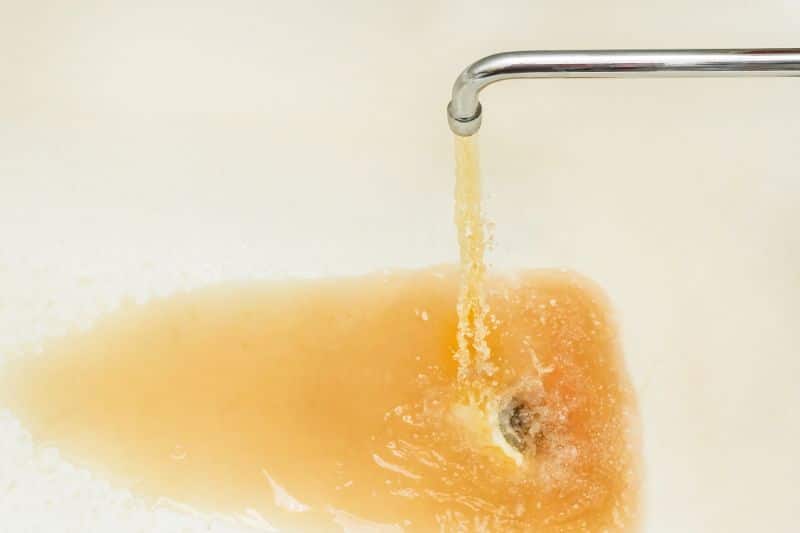
So you turn on the tap, expecting a crystal-clear stream, and instead you’re greeted by what looks like a glass of weak iced tea. Yellow tap water is a party trick no one asked for. Before you panic and start hoarding bottled water like a doomsday prepper, let’s get to the bottom of this golden mystery.
The Usual Suspects: Rust and Sediment
The most common culprit is rust—specifically, iron and manganese from old water pipes. Think of your plumbing as a metal straw that’s been in a coffee cup for decades. When the city flushes the mains or a fire hydrant gets opened, those mineral deposits shake loose and turn your water a charming shade of amber.
This is usually harmless. You could drink it, bathe in it, and maybe even start a trend for “rust-water facials” (please don’t). The color is just a cosmetic issue, like a bad haircut that washes out with a little running time.
Must Read
If the water clears after letting it run for a few minutes, you’ve solved the case. Congratulations, you’re now a certified water detective—no magnifying glass required.
Mother Nature’s Punch: Tannins and Organics
Sometimes, the yellow comes from tannins, which are organic compounds leached from decaying leaves and peat in the ground. Wait, decaying leaves in my water? Yes. If you live near a swamp or a forest, your water supply might be nature’s own cold brew—just without the caffeine or the good taste.
Tannins are perfectly safe but can make your water look like someone steeped a tea bag in the reservoir. It’s a reminder that your municipal water source is outside, not a magic spring bottled by fairies.
Fun fact: Some whiskey distillers want tannins in their water for flavor. So if your tap water looks like cheap scotch, you’re basically an artisan distiller. You just haven’t aged it long enough.
The Hot Water Heater’s Betrayal
If only the hot water is yellow, your water heater might be throwing a tantrum. Sediment builds up at the bottom of the tank over time, like a sludge monster that throws a party every winter.
 Why Does My Tap Water Have Foam at Victor Fox blog
When you crank the heat, that sediment loosens and turns your bath water into something that would terrify a lifeguard. Flushing the tank once a year is the cure—think of it as a spa day for your appliance.
Pro tip: If the water smells like rotten eggs too, you’ve got bacteria in the tank. That’s a different horror movie, but not one that requires a surgeon general’s warning.
Is It a Health Hazard? (Spoiler: Usually Not)
In 99% of cases, yellow tap water is not dangerous. It’s just aesthetically offensive, like a bad toupee on a professional wrestler. Your body has survived far worse—remember that gas station sushi you ate in 2019?
However, there’s one exception: if the yellow comes from a chemical spill or a broken pipe that’s leached lead or copper. That’s rare, but if your water suddenly reeks of gasoline or tastes like a copper coin, call your water utility immediately. Don’t be brave. Be boring and safe.
You can also buy a home test kit for under twenty bucks. It’s cheaper than a therapist and provides faster answers about your existential water crisis.
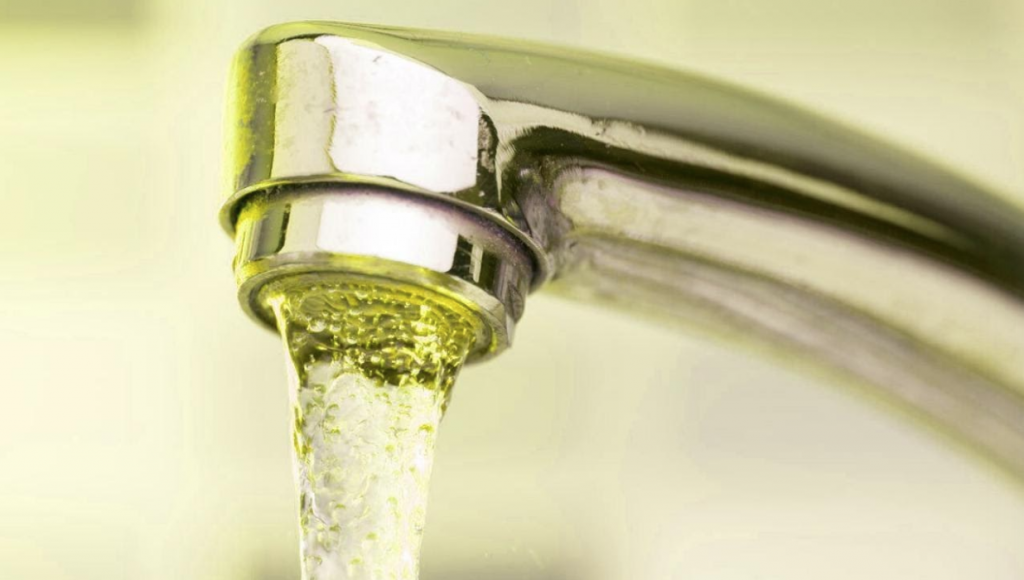 Why Is My Hot Tap Water Yellow at Ashley Smalley blog
How to Fix It (Without Sacrificing a Goat)
First, run the cold water for a few minutes. If it clears, you’re dealing with sediment—no big deal. If it stays yellow, check if your neighbors have the same issue. If they do, the whole block is hosting a “yellow water festival,” and the city should know.
For persistent tannin problems, a whole-house carbon filter works wonders. It’s like giving your plumbing a tongue to taste the bad bits and spit them out. Costly, yes, but so is a lifetime of pretending iced tea is tap water.
And if nothing works? Embrace it. Buy some glasses, call it “amber refreshment,” and charge your guests for the experience. “Bottled in the city, aged in your pipes, served with a side of confusion.”
The Surprising Truth You Didn’t Ask For
Did you know that yellow tap water was once a sign of wealth? In the 1800s, rich homeowners added iron to their water to make it look “healthier” because mineral water was trendy. Yes, your great-great-grandpa paid extra for the privilege of drinking what you now consider a plumbing nightmare.
Also, the human eye is terrible at judging water quality. Crystal-clear water can harbor deadly bacteria, while yellow water often contains more minerals that are good for you. It’s the ultimate “don’t judge a book by its cover” situation—except the book is your kitchen tap.
So next time you see yellow, take a breath. It’s probably just rust, sediment, or nature’s joke. If you’re still worried, test it, flush it, or move to a place where the water runs clear and the coffee is strong. Until then, pour yourself a glass of golden tap water and pretend it’s artisanal honey juice. Your taste buds won’t know the difference.
