Does Coffee Count As Water

It’s 7:02 AM. Your alarm is a suggestion, your eyes are half-mast, and the only thing standing between you and vertical success is a steaming mug of dark roast. You sip, you s...
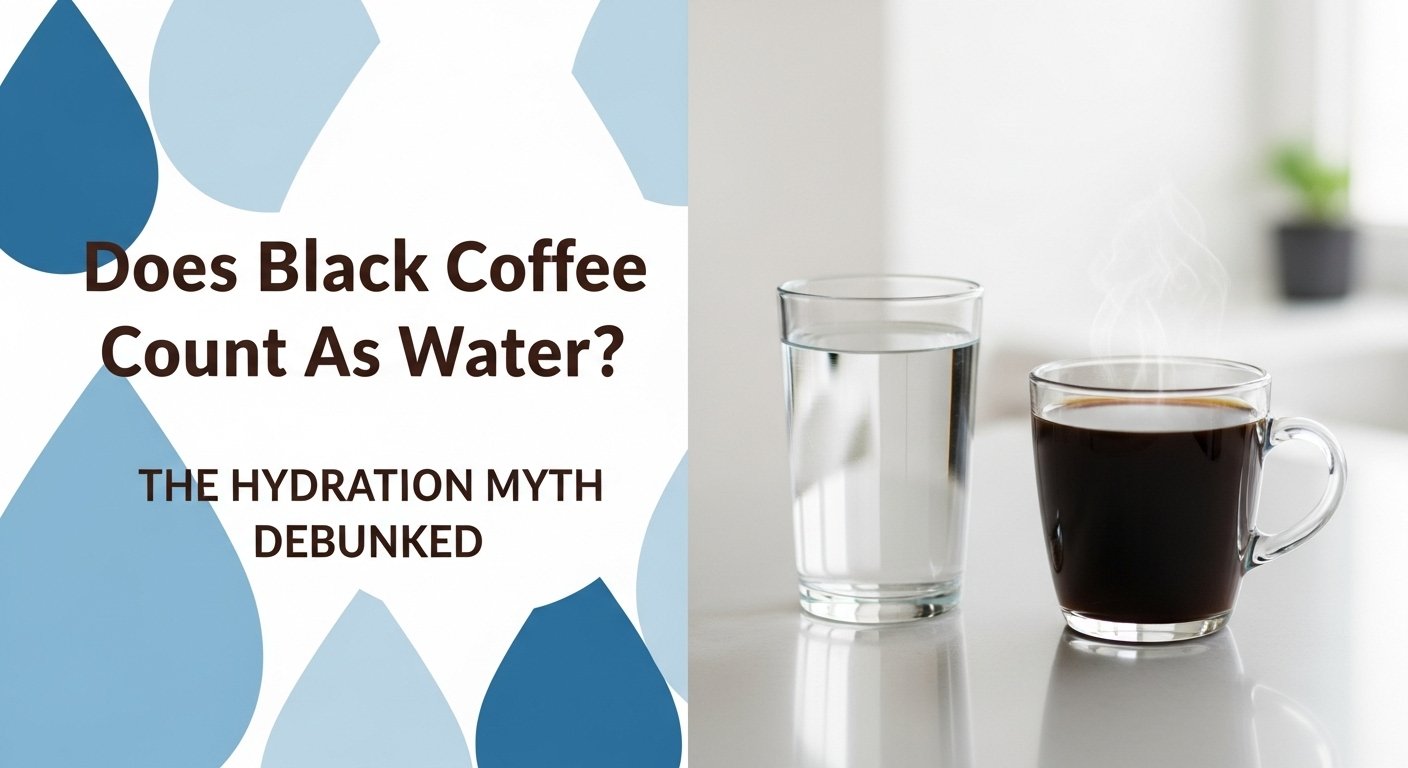
It’s 7:02 AM. Your alarm is a suggestion, your eyes are half-mast, and the only thing standing between you and vertical success is a steaming mug of dark roast. You sip, you sigh, you live. But then the wellness guilt creeps in: Does this count as water? It’s a legitimate hydration question that has sparked office debates, fueled Instagram myths, and confused even the most disciplined water-bottle carriers.
Let’s cut through the fog. For decades, we were told that caffeine was a diuretic that would cause you to pee out more than you took in. Old news, folks. Modern research—including a landmark 2014 study from the University of Birmingham—shows that moderate coffee consumption (3–5 cups) does not dehydrate you any more than water does. Your morning ritual is hydrating your cells, not stealing from them.
How It Actually Works
Your coffee is composed of roughly 98% water. When you drink a perfect cappuccino, you are, chemically speaking, sipping a milky, caffeinated version of H2O. Yes, it counts. The mild diuretic effect of caffeine is real, but it’s weak, and your body builds a tolerance quickly. For the average human, that morning latte contributes to your daily fluid balance.
Must Read
It works because your body metabolizes caffeine efficiently. You might feel a slight urge to visit the restroom sooner, but the net volume of fluid you retain from that cup is still positive. Think of it like this: you bank more water than you withdraw. So, your coffee is not a thief—it’s a generous neighbor with a caffeine kick.
But don’t use this as permission to replace your entire water intake with espresso shots. Balance is key. The guidance from nutritionists is that coffee can count toward your hydration goal, but it shouldn’t be your only source. For every two cups of coffee, try to pair it with a glass of plain water. It’s a smart hydration hack, not a strict science.
The Caffeine Caveat
Here’s the fun nuance: the dose matters. If you’re pounding a triple-shot of pure caffeine pre-workout, your body plays by different rules. More than 500 mg of caffeine—about five strong cups—can tip the scales toward dehydration. Stay below that threshold, and your morning brew is a hydration hero, not a villain.
Add milk? Even better. A latte or flat white includes water from the milk itself, plus protein and electrolytes that aid absorption. Your café order is smarter than you think. Even a splash of oat milk adds a hydration-friendly boost. So go ahead, order the “extra wet” cappuccino without shame.
 Coffee Grounds To Water Ratio For Plants at John Alamo blog
Coffee culture backs this up. In Italy, people drink espresso multiple times a day, yet they claim to stay perfectly hydrated. In Scandinavia, they enjoy a “kaffe” break mid-morning with a glass of water on the side. These traditions aren’t accidental—they’re intuitive hydration strategies hiding in plain sight.
Four Practical Tips to Stay Hydrated (and Caffeinated)
1. Start with a glass of water before your first coffee. It wakes up your digestive system. Then, enjoy your cup with zero guilt. This simple habit makes hydration feel effortless and intentional.
2. Match your coffee intake with plain water—1:1 ratio. If you drink three cups of black coffee, aim for three glasses of water throughout the day. It’s not a punishment; it’s a partnership. Visual cues help: keep a glass bottle on your desk next to your mug.
3. Pay attention to your body’s signals. If your mouth feels sticky or your skin looks dull, you need more water, not less coffee. Your body is your best hydration barometer. Coffee is a tool, not a thermostat.
4. Swap one iced latte for a “coffee spritzer” on hot days. Brew a double shot, pour it over ice, and top with sparkling water. You get the caffeine, the fizz, and double hydration. It’s Instagram-worthy and functional.
 Coffee to Water Ratio Chart
Fun Facts to Impress Your Barista
The average 8-ounce cup of coffee contains about 220–240 ml of water. That’s nearly a full cup’s worth. If you drink four cups, you’ve essentially consumed a liter of water—just with a personality. Meanwhile, the International Journal of Sport Nutrition found that caffeine-enhanced hydration drinks perform comparably to water during exercise in moderate doses.
Historically, coffee was even used as a medicinal hydrator in 17th-century Europe. Physicians prescribed it to treat “fatigue of the humors” and to maintain bodily moisture. They were closer to the truth than they knew.
Finally, here is the real kicker: decaf coffee actually hydrates more efficiently than regular, because it lacks the mild diuretic effect. But where’s the joy in that? Stick with your full-caff favorite; you’re winning on hydration and happiness simultaneously.
So, does coffee count as water? In short, yes—for most of us, most of the time. It’s not a replacement, but it’s a valid contributor. Pour that second cup without the side of hydration guilt. The real win? Pairing it with real water is the easiest habit upgrade you’ll ever make.
Your reflection for today: The next time you take that first sip, remember that you are doing more than waking up. You are nourishing your body, honoring a global ritual, and proving that even the simplest habits hold hidden complexity. Cheers to the duality—a drink that hydrates, energizes, and comforts, all at once. Now, go fill your mug and your water bottle. You’ve got this.
