Does Hard Water Cause Acne

You know that squeaky clean feeling after a shower? The one where your skin feels so tight you could bounce a penny off your cheek? Yeah, that’s not necessarily a good thing....
You know that squeaky clean feeling after a shower? The one where your skin feels so tight you could bounce a penny off your cheek? Yeah, that’s not necessarily a good thing. That, my friend, is often the hallmark of hard water doing its thing. It’s like your shower is waging a tiny war on your moisture barrier, and your face is the battlefield.
So, does hard water actually cause acne? The short answer is: it doesn’t cause it, but it sure plays a nasty supporting role. Think of hard water as the annoying friend who shows up to a party, doesn't clean up, and then blames you for the mess. It’s an accomplice, not the mastermind.
Hard water is packed with minerals, mostly calcium and magnesium. These minerals love to stick around, like a clingy date who won’t leave after brunch. They react with your soap to form a scummy residue—that weird film you feel on your skin after washing.
Must Read
How Your Face Becomes a Science Experiment
Imagine washing your face with a bar of soap in a muddy puddle. That’s kind of what hard water does, minus the mud. The minerals stop your cleanser from lathering properly, so you end up using more product to get that bubbly feeling.
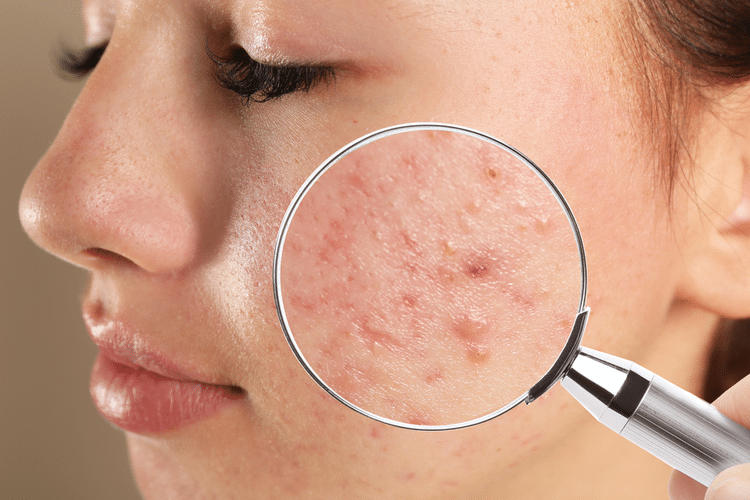
Then, that leftover residue gets left behind, clogging your pores like pancake batter in a waffle iron. Your skin thinks, “Great, let’s throw a zit party!” and before you know it, you’ve got a breakout that’s as unwelcome as a relative who overstays their welcome.
Your Skin’s pH Goes Haywire
Your skin’s natural pH is slightly acidic—around a 5.5. It’s like a little bouncer that keeps bad bacteria out. Hard water, being alkaline, throws that bouncer out of the club. Without your skin’s protective barrier, things get irritated, dry, and inflamed.
And what happens when your skin gets dry and irritated? It overcompensates by producing more oil. You end up in a vicious cycle: the water strips your skin, your skin freaks out, makes grease, and bam—new pimples. It’s like your face is throwing a tantrum.
I once moved into an apartment with legendary hard water. My skincare routine suddenly stopped working. My cleanser felt like I was rubbing lotion on my face. I switched to a foaming wash, and the foam just sort of… gave up.
The “Filter” Fantasy vs. Reality
I bought a shower filter, and it did help, but it wasn’t a magic wand. Hard water still lingers in the pipes. It’s like trying to vacuum a beach, you know? You get the top layer, but the sand is still down there.
 8 Ways to Protect Human Skin From Hard Water
What actually worked better was changing my cleansing technique. I stopped using foaming cleansers and switched to an oil-based one that actually dissolves the mineral scum. It felt like finally using the right tool for the job—like using a shovel instead of a spoon.
You also have to do a double cleanse. First pass: oil cleanser to break up the mineral sludge. Second pass: gentle water-based cleanser to actually clean your face. It feels like a chore, but so does picking at a painful whitehead.
The Toner Trick That Saved My Skin
Another lifesaver is using a pH-balancing toner right after washing. This is like sending your skin a friendly “all clear” signal. It helps reset everything after hard water has made a mess of your face.
Sometimes, I splash my face with distilled water from a bottle as a final rinse. I feel ridiculous doing it, like a mad scientist in my bathroom. But honestly? It prevents that tight, dry feeling, and my breakouts dropped by half.
Let’s be real: you can do everything right and still get a zit because you ate too much cheese. But hard water is that sneaky variable you never check. It’s the roommate who eats your leftovers and leaves the crusty dishes in the sink.
What About Body Acne?
Oh, and body acne? Hard water is a prime suspect. Your back and shoulders are the first to suffer. It’s like the water decided your torso was a canvas for tiny, angry bumps.
 How Hard Water Affects Acne | Helpful Answers | 1 solution
If you shower and immediately feel like sandpaper, that’s hard water. I started using a salicylic acid body wash and it helped, but only after I made sure to rinse with the water running cooler—hot water makes the mineral deposit worse.
Don’t even get me started on how hard water makes your towels feel like cardboard. You dry off with a rough towel, and it’s like exfoliating with sand. That irritation alone can make acne worse.
When to Blame the Water
If your acne suddenly gets worse after moving, if your skin feels dry but looks greasy, or if your cleanser doesn’t foam—blame the water. It’s the first suspect in the lineup.
You can also check for white spots on your glassware or a crusty faucet. If your shower head looks like it’s wearing a mineral coat, your face is wearing a similar one.
So, does hard water cause acne? No, but it creates a perfect storm: pore-clogging residue, disrupted pH, irritation, and extra oil. It’s the passive-aggressive villain in your skincare story.
You don’t have to install a $500 water softener. Just be smarter about your routine. Double cleanse, use a toner, and maybe splash some bottled water on your face. Your skin will thank you, and you’ll stop fighting a ghost. Now go forth and rinse with intention.
