Does Hot Water Kills Germs

Let’s dive into a question that’s probably crossed your mind while boiling pasta or scrubbing a dirty dish: does hot water kill germs? It’s one of those simple questions with...

Let’s dive into a question that’s probably crossed your mind while boiling pasta or scrubbing a dirty dish: does hot water kill germs? It’s one of those simple questions with a surprisingly fun, science-packed answer. And hey, knowing this might just make your next cup of tea feel like a tiny victory against the invisible horde.
The short, happy answer is: yes, but with a plot twist. Hot water can absolutely kill germs, but it’s not as simple as turning on the tap and declaring victory. The real hero here is heat—specifically, sustained heat at a high enough temperature.
The Science of Sizzle
Think of germs like tiny, protein-based jellybeans. When you apply enough heat, those proteins denature—a fancy word for “unravel and die.” But here’s the kicker: most household hot water heaters are set to around 120–140°F (49–60°C).
Must Read
That’s not hot enough to kill many germs instantly. To really nuke bacteria, you need water boiling at 212°F (100°C) for at least a few minutes. So, while that steamy shower feels great, it’s mostly rinsing germs away, not frying them.
Where Hot Water Wins (and Loses)
Now, don’t lose faith in your faucet just yet! Hot water is a magnificent sidekick when paired with soap. The heat helps break down grease and grime that trap germs, while the soap does the heavy lifting of lifting them off your skin or your cutting board.
For killing germs on surfaces, the real star is boiling water. Let it roll for a minute, and you can sanitize baby bottles, sponges, or even garden tools. But for your hands? Stick to warm water and soap—the friction and lather are what save the day.
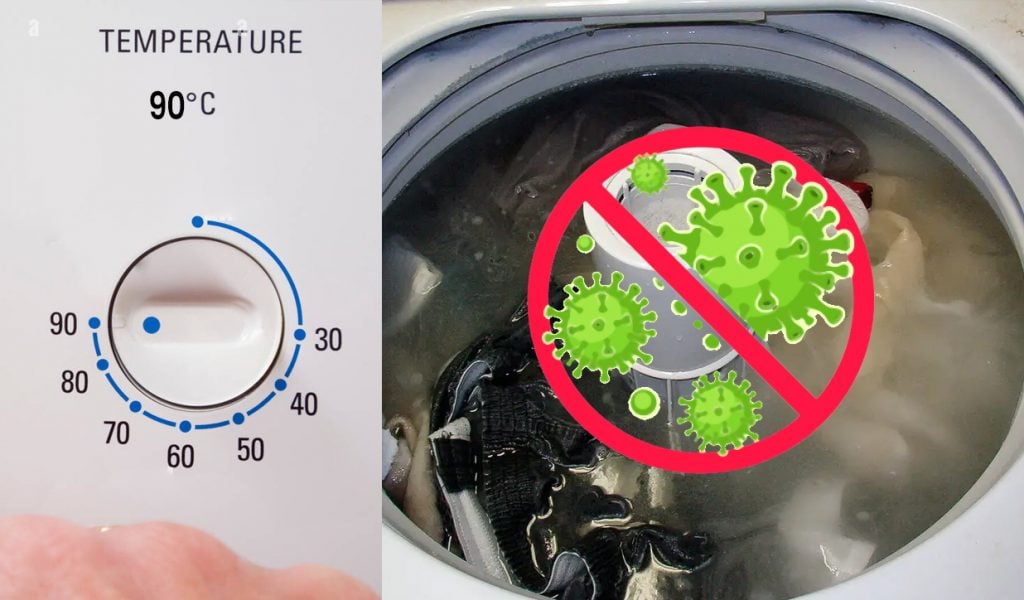 7 Laundry Myths You Always Believed That Aren’t True
And here’s a fun fact: many viruses, including the ones that cause colds, are quite wimpy in the heat. A splash of near-boiling water on a kitchen towel can send them packing. Just be careful not to scald yourself—safety first, germ destruction second!
Make It a Game
Why not turn this knowledge into a little life hack? Next time you’re making a pot of coffee or tea, remember: you’re wielding a sterilization powerhouse. Pour that leftover boiling water down your sink drain to kill odor-causing bacteria—it’s like giving your pipes a spa day.
You can also use hot water to freshen up your dish sponge. Just soak it in boiling water for a few minutes, and you’ve just reset its germ-fighting mojo. (Don’t microwave a dry sponge, though—that’s a fire hazard we don’t need.)
The Emotional Payoff
Here’s the beautiful, uplifting truth: you already have the tools to keep a clean, happy home. You don’t need a lab coat or a sterilizing ray gun. Heat is democratic. It’s as old as fire, and it works without fuss.
 Does Hot Water Kill Germs On Your Hands Clearance | www.farmhouse
Understanding this little fact makes you feel a bit like a secret agent of hygiene. You’ll start noticing how often you can use hot water to your advantage—washing dishes, cleaning a toothbrush, or even just brewing your morning coffee.
And isn’t it wonderful that something so simple—turning a knob—can give you that quiet sense of control? In a world full of invisible unknowns, knowing that a kettle full of bubbling water can send germs to their thermal doom is oddly empowering.
So go ahead. Make that pot of tea with a smirk. Boil that sponge with a swagger. You’re not just cleaning—you’re conducting a tiny, life-affirming experiment in your own kitchen.
Curious what else you can sanitize with a little heat? Maybe your toothbrush? Your kids’ toys? The rabbit hole goes deeper, my friend. Let that curiosity bubble up like a hot spring. The more you know, the more you can see the magic hiding in the everyday—one steamy, germ-zapping moment at a time.
