What Does Boiling Water Do

You think you know boiling water, right? It’s the thing you do to make pasta, or the stuff you avoid when your cup says “Caution: Hot.” But let’s be honest: boiling water is a...

You think you know boiling water, right? It’s the thing you do to make pasta, or the stuff you avoid when your cup says “Caution: Hot.” But let’s be honest: boiling water is a chaotic monster that science has somehow taught to cook your eggs. I’m here to spill the boiling tea—literally.
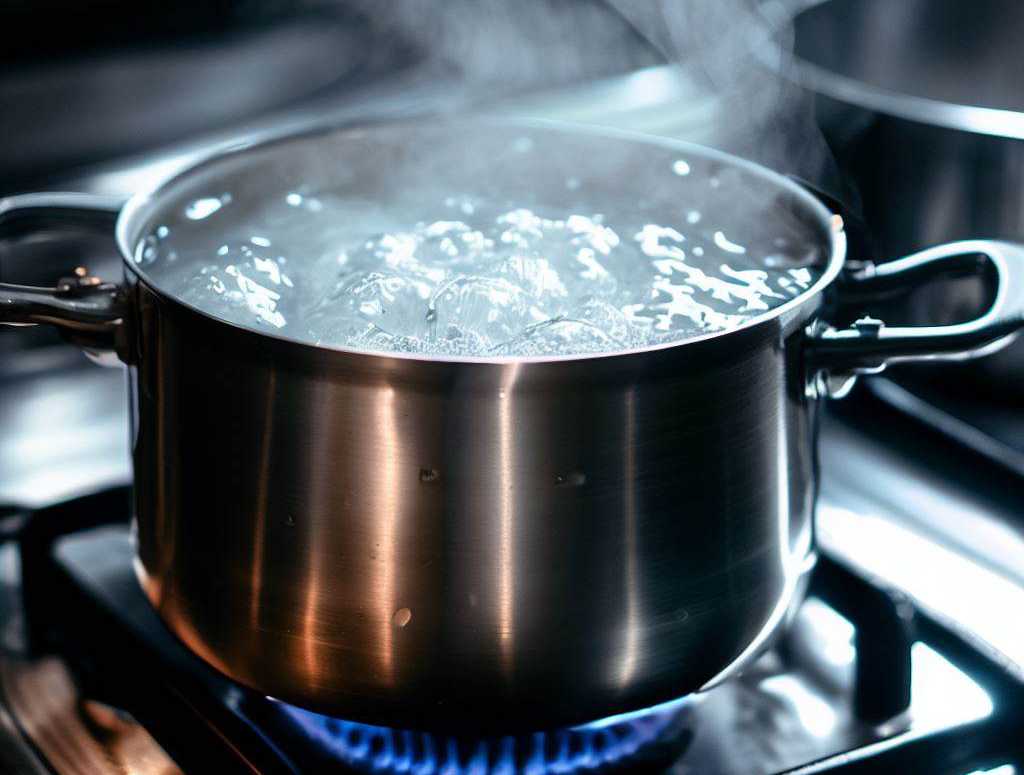
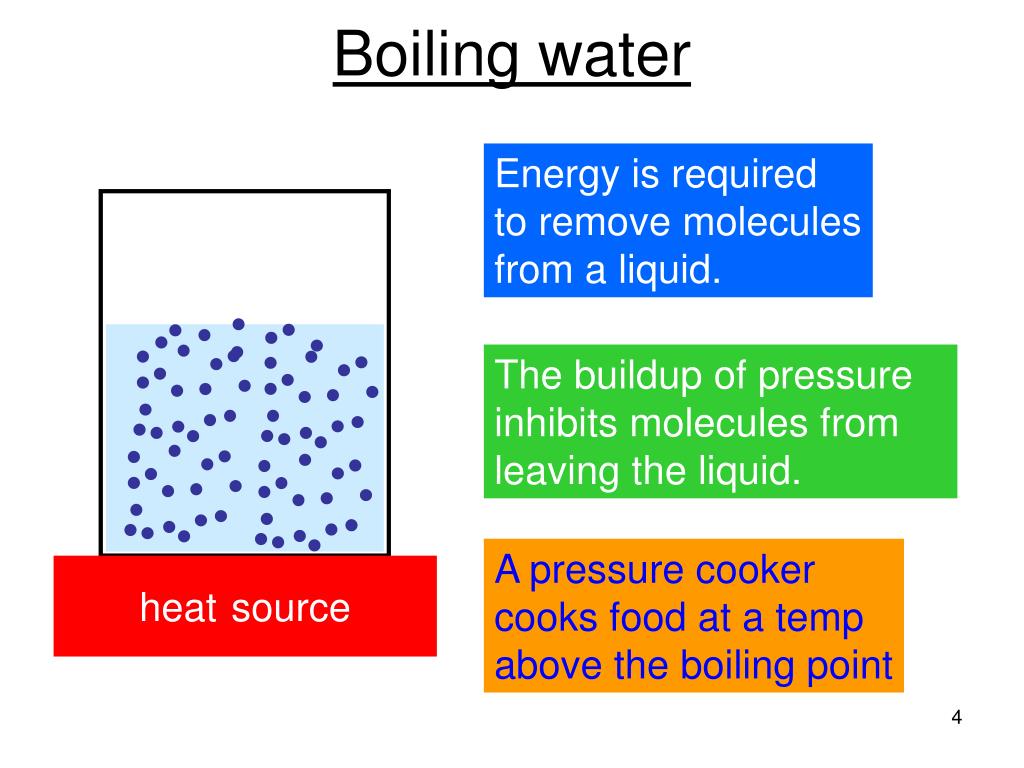
First, let’s get the basics straight, because it’s weirder than you think. Boiling happens when water gets so excited by heat that it turns into vapor bubbles and rockets to the surface. At sea level, that magic number is 212°F (100°C), but don’t get cocky—it changes with altitude. Climb a mountain, and water boils at a lower temperature, meaning your pasta will be sad and chewy.
The Secret Life of Bubbles
Those bubbles aren’t just for show—they’re tiny, screaming space stations for trapped air. When water boils, the first bubbles you see are actually dissolved gases escaping, like air that was hiding in the water, saying, “Peace out, I’m hot.” Then the real show starts: water molecules vibrate so hard they break free and become steam. It’s like a mosh pit of H₂O molecules losing their collective minds.
Must Read
Here’s a shocking fact: boiling water can kill you, but it also saves you. It destroys most bacteria and viruses, which is why we boil water for drinking in survival situations. But if you stick your hand in it, those same bubbles will conduct heat so efficiently you’ll get a third-degree burn before you can say “ouch.” Don’t test that. I’m not kidding.
The “Dancing” Food Effect
Why do pasta and potatoes dance in boiling water? It’s not because they’re happy. The bubbles rise and create convection currents—like a hot lava lamp—that push food around. That’s also why you add salt: it raises the boiling point slightly, making the water angrier and your pasta less sticky. You’ve been seasoning the chaos, not the water.
And don't even get me started on the silent killer: superheated water. Microwaves can heat water past its boiling point without bubbles forming, then a tiny disturbance—like a spoon—causes it to erupt violently. It’s called a “nucleation event,” and it’s basically a water volcano in your kitchen. Always stir your microwaved water, or you’ll rehearse your own horror movie.
 What Temperature Is Boiling Water at Jake Town blog
The Boil That Changed History
Boiling water wasn’t always just for tea. Ancient humans figured out that boiling sterilized tools and wounds, giving them a huge survival edge over people who just wiped their spears on a leaf. That simple act—bringing water to a violent bubble—is why we’re not all dead from dysentery. You’re welcome, civilization.
But here’s the twist: boiling doesn’t remove all toxins. Some chemical pollutants, like pesticides, can be more concentrated after boiling because the water evaporates but the poison stays. So if you’re boiling suspicious swamp water, you’re just making swamp tea. Filter first, boil second. Or just buy bottled water and avoid the tragedy of “Poison Chowder.”
Fun Tricks for Your Next Boil
Want to impress your friends? Toss a cold spoon into a pot of boiling water—the thermal shock can violently crack the metal or, if it’s glass, explode. Don’t try this at home; try it at a friend’s house instead. For a safer party trick: add a pinch of sugar to water and watch it boil faster (it actually raises the boiling point, but only marginally). You’ll look like a wizard.
 Process Of Boiling Of Water at Harrison Fulton blog
And if you’ve ever wondered why salted water boils faster, stop wondering. It’s a lie. Salt raises the boiling point, meaning it takes longer to reach a full boil. But it does make the water taste less like a sad chemistry experiment. I tricked you on purpose. Now you know.
The Unspoken Truth
Here’s the real takeaway: boiling water is a microcosm of life itself. It’s violent, it’s useful, and 99% of the time, you ignore it until something goes wrong. It can make your morning coffee or destroy your arm. Treat it with respect, or it will teach you humility in the form of a steam burn.
So next time you see that pot roiling and hissing like a dragon, remember: you’re witnessing a controlled nuclear reaction at a molecular level. But with less radiation and more ravioli. And whatever you do, don’t stare directly into the steam—your eyelids will remind you that water vapor is basically invisible fire. Boil on, you beautiful, reckless genius.
