Does Peroxide Kill Viruses

Okay, let’s talk about hydrogen peroxide and viruses. You know, that fizzy brown bottle lurking under your bathroom sink? It’s like the clumsy but lovable sidekick in the clea...
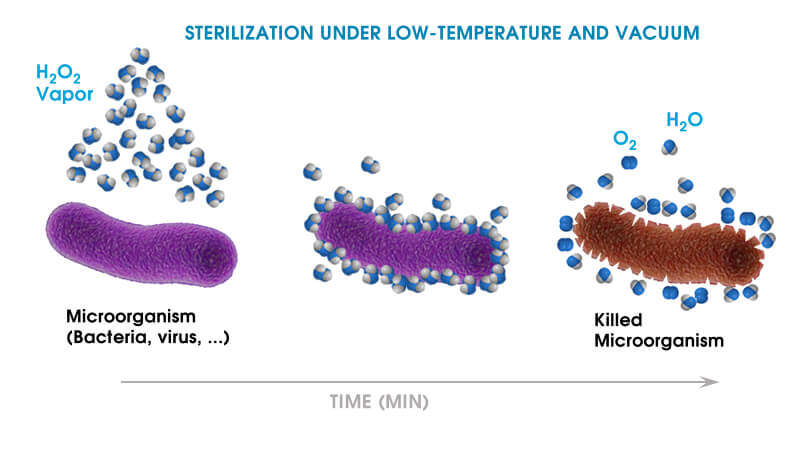
Okay, let’s talk about hydrogen peroxide and viruses. You know, that fizzy brown bottle lurking under your bathroom sink? It’s like the clumsy but lovable sidekick in the cleaning world. But does it really pack a punch against those sneaky little viruses?
Short answer: Yes, it can! But—and there’s always a “but” in science—it’s not quite as simple as splashing it around like a superhero cape. Let’s break it down, with a side of giggles.
How Peroxide Actually Works (The Nerdy Part, Made Fun)
Hydrogen peroxide is basically water with an extra oxygen atom, like a water molecule that drank too much coffee. That extra oxygen is super reactive, meaning it’s eager to bump into things and cause chaos.
Must Read
When it meets a virus, it unleashes free radicals—think tiny, angry Pac-Men—that tear apart the virus’s outer shell and genetic material. Poof! Virus becomes a sad, broken little blob. It’s like hitting “delete” on a file.
But here’s the catch: it only works if the peroxide stays wet long enough. If it dries up, the party’s over. So don’t expect a quick spritz to be your viral bodyguard.
Which Viruses Does It Actually Kill?
The good news: studies show hydrogen peroxide kills influenza A, rhinoviruses (the common cold boss), and even some coronaviruses. It’s like a bouncer at a club—tough on germs, but not all of them.
For example, the nasty norovirus (aka the cruise ship chaos agent) is a bit more stubborn. You need a higher concentration (like 6-8%) to take it down. Most store-bought bottles are just 3%, which is like bringing a butter knife to a sword fight.
Moral of the story: Check the label! If it’s 3%, it’s fine for cuts and countertops, but not for a viral apocalypse.
The “Dilution” Dance (And Why You Shouldn’t Get Fancy)
Never—I repeat, never—mix hydrogen peroxide with vinegar or bleach. You’ll create toxic fumes that’ll send you running for fresh air. It’s like trying to mix a smoothie with a blender and a chainsaw. Bad idea.
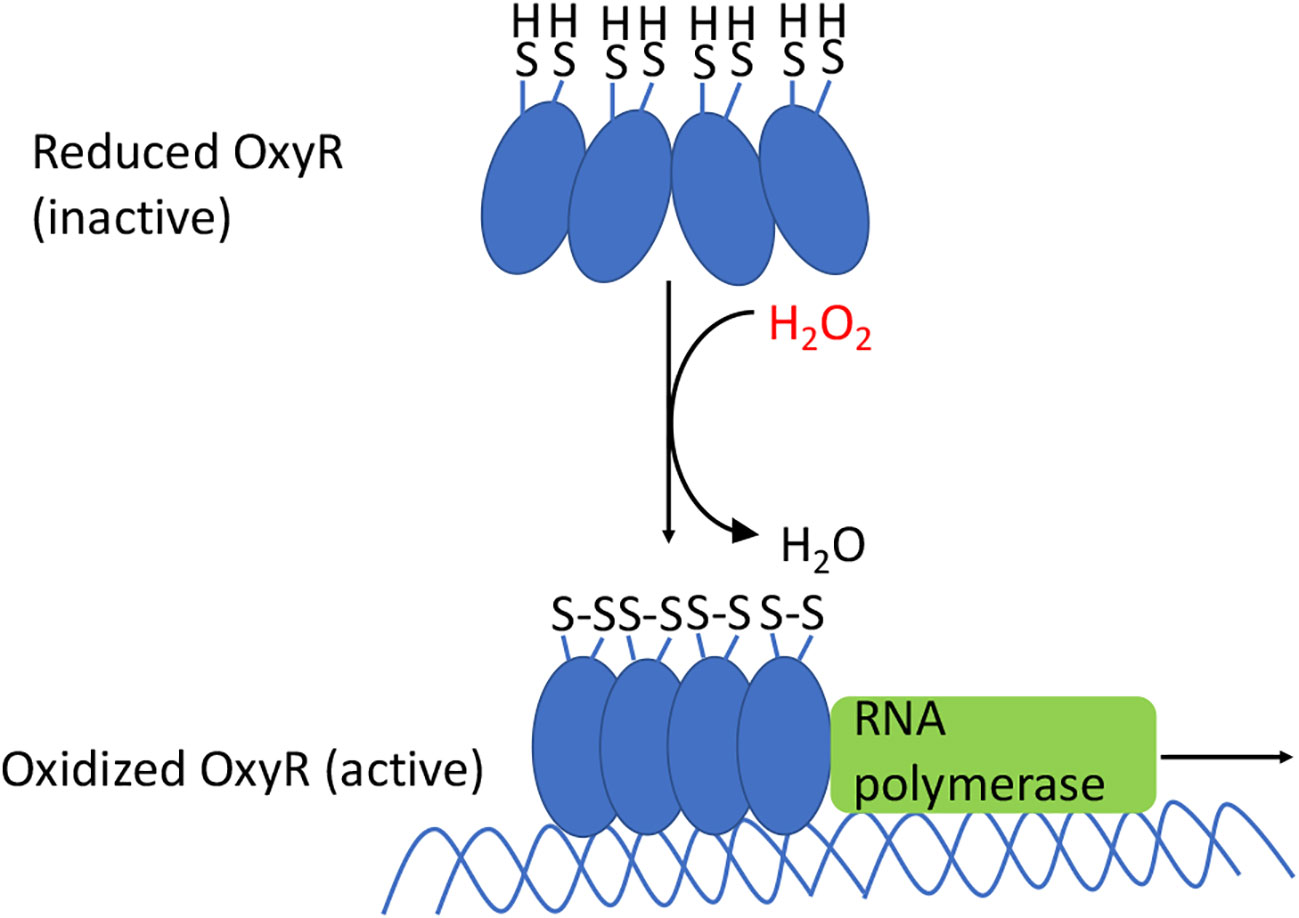 Frontiers | How Microbes Defend Themselves From Incoming Hydrogen Peroxide
Also, don’t drink it. Yes, some wellness blogs push “peroxide therapy.” Ignore them. Drinking it can cause serious internal burns. Your stomach is not a science fair project.
How to Use It Like a Pro (Without Becoming a Lab Accident)
First, wear gloves. Because, you know, it’s still a chemical. Second, use it on hard, non-porous surfaces like doorknobs, countertops, and phones. Let it sit for 5–10 minutes—sing the “Happy Birthday” song twice, then do the Macarena.
For viruses, a 3% solution works if you’re patient. But if you’re dealing with a high-risk area (like a sick friend’s bathroom), grab a 6% or 8% solution. Just be careful—it can bleach your clothes. Oops, there goes that favorite t-shirt.
The “Tissue Test” Trick
Want to know if your peroxide is still active? Spray it on a dark cloth. If it fizzes, it’s a fighter. If it just sits there like a lazy cat, toss it. Peroxide degrades over time, especially if exposed to light. That’s why it comes in a brown bottle—it’s not shy, it’s just sensitive.
Think of it as the vampire of disinfectants: hates sunlight, fights hard, but gets a little weak after a few months.
What It’s NOT Good For (The Awkward Comparison)
Don’t use peroxide on wounds if you can avoid it. Yes, it kills bacteria, but it also damages healthy skin cells and slows healing. Scrapes are better off with soap and water. Save the fizz for the sink, not your knee.
Also, it’s not great for wood (it can pit the finish) or fabric (hello, bleach spots). Stick to plastic, metal, and glass. Think of it as the picky eater of the cleaning world—it works, but only with the right company.
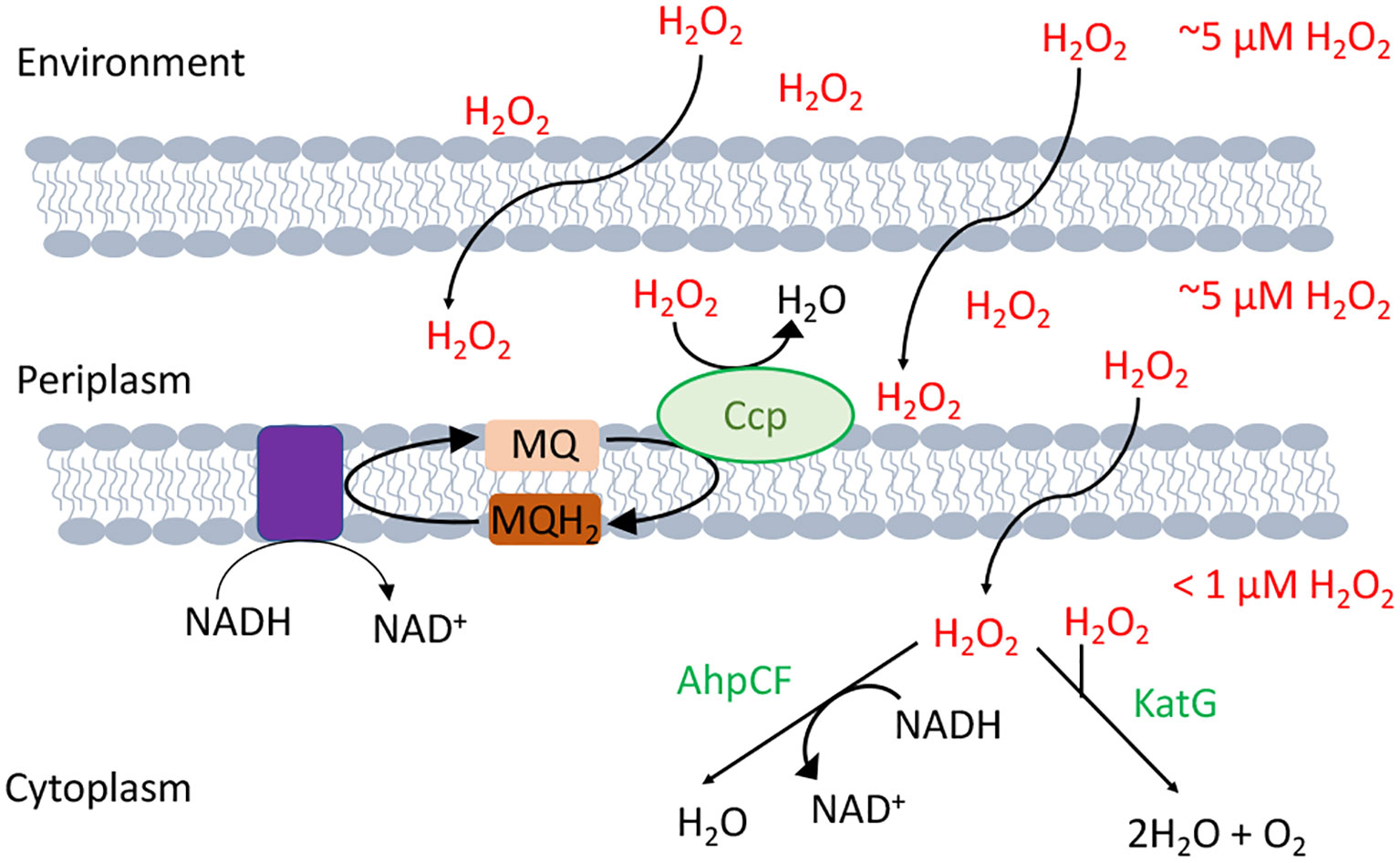 Frontiers | How Microbes Defend Themselves From Incoming Hydrogen Peroxide
The Verdict: Should You Stock Up?
Is hydrogen peroxide a miracle virus killer? No. Is it a handy, cheap, and effective tool? Absolutely. Especially when you’re out of fancy disinfectants and all you have is a brown bottle from 2019.
Just remember: it’s not a substitute for handwashing, masks, or common sense. But for wiping down your phone after a trip to the grocery store? It’s a solid choice. Plus, it’s non-toxic enough to use around kids and pets (just don’t let them drink it, obviously).
One More Thing: The “Fizz Factor”
There’s something deeply satisfying about watching peroxide fizz on a cut or a counter. It’s like a tiny, chemical fireworks display. And while that fizz is part of what kills germs, it also means the peroxide is reacting—and disappearing. So enjoy the show, but know that the real work happens in the first few minutes.
If you want to be extra sure you’ve killed viruses, use a combination: clean with soap first, then peroxide. It’s like a one-two punch that leaves viruses dazed and confused.
The Uplifting Conclusion (Because You Deserve a Smile)
So, does peroxide kill viruses? Yes, but only if you treat it right—keep it dark, let it sit, and don’t mix it with your genius cleaning concoctions. It’s not a Hollywood hero; it’s more like that reliable friend who shows up with a pizza and a mop.
And honestly, in a world full of complicated things, it’s nice to know that a little brown bottle of fizzy water can still smash a virus’s day. So go ahead—spritz that doorknob, giggle at the bubbles, and remember: You’ve got this. Viruses don’t stand a chance against you and your trusty, slightly aggressive kitchen cleaner. 😊
Stay healthy, stay curious, and maybe buy a new bottle. Because nobody wants to fight a virus with expired enthusiasm.
