Where Does Toilet Waste Go

Let’s be honest: we’ve all stood over the porcelain throne, sent something down the drain, and then blithely walked away without a second thought. Out of sight, out of mind, r...
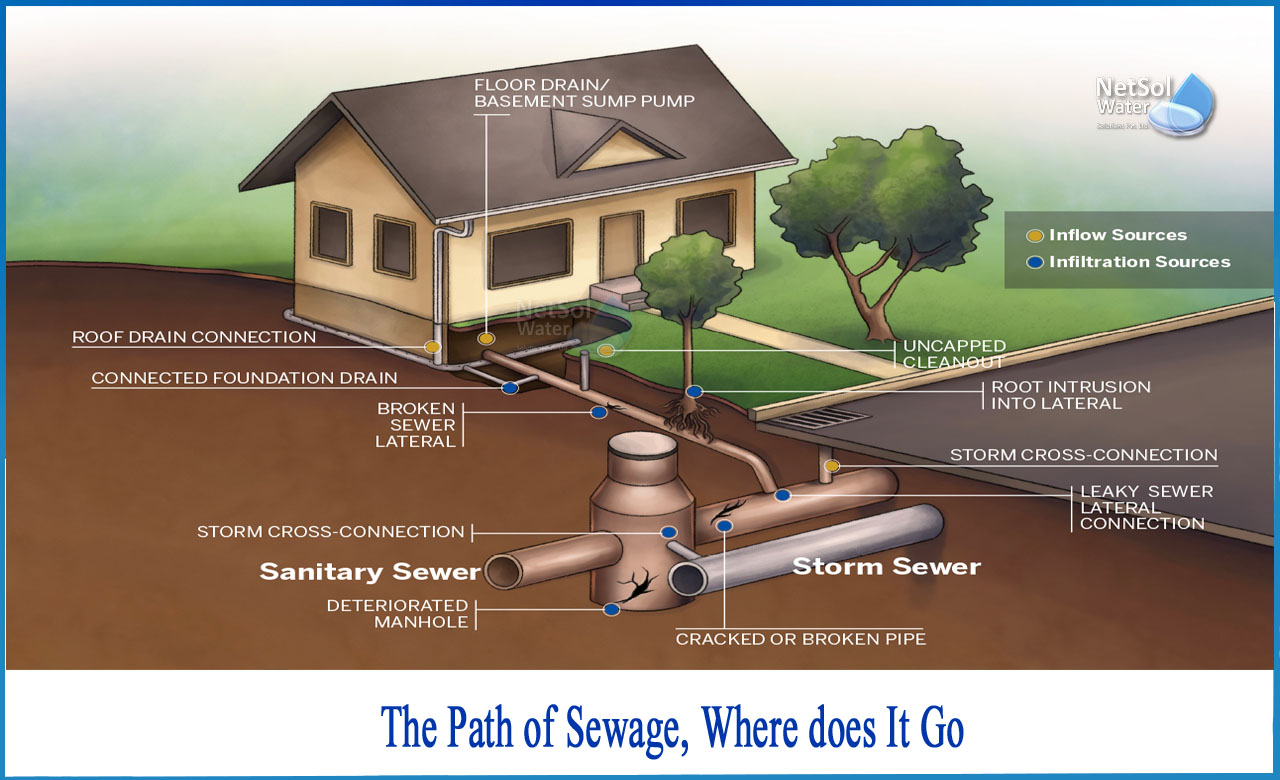
Let’s be honest: we’ve all stood over the porcelain throne, sent something down the drain, and then blithely walked away without a second thought. Out of sight, out of mind, right? But that little moment of flushing is the start of one of the most epic, weird, and surprisingly heroic journeys in modern civilization. Welcome to the wild world of where your toilet waste actually goes.
The Great Escape: From Bowl to Pipe
When you push that handle, you’re not just saying goodbye to yesterday’s lunch. You’re launching a high-speed water rocket down a pipe. The force is so immense that a standard toilet can move a “poo missile” at nearly 6 miles per hour—fast enough to win a gold medal in the Toilet Olympics (which, mercifully, doesn’t exist).
That waste then joins a secret underground river called a sewer. There are over 800,000 miles of sewer pipes in the U.S. alone—enough to wrap around the Earth 32 times. Think of it as the world’s least glamorous subway system, but for your business.
Must Read
Where the Magic (and Science) Happens
Your little offerings eventually arrive at a wastewater treatment plant. This is not a boring factory; it’s a biological party full of hungry microbes. These microscopic critters are the real heroes, eating the organic bits that you sent down—they’re basically the Roomba of the sewer world.
First, the plant does a “screening” to remove things that shouldn’t be there. And let me tell you, people flush the craziest stuff: wedding rings, fake teeth, live goldfish, and even a fully assembled cat skeleton (true story). Those items get sent to a landfill, where they become some archaeologist’s future nightmare.
After the big junk is gone, the water sits in huge tanks where solid gunk sinks to the bottom. That gunk is called sludge, and it’s not just gross—it’s valuable. The sludge gets heated, digested by bacteria, and turned into biosolids. Yes, your poop becomes a product.
 When You Flush The Toilet Where Does The Waste Go | Gas Furnace
The Surprising Second Act: From Waste to Wonder
Here’s the kicker: those processed biosolids are then used as fertilizer on farms. That means the broccoli you ate last night might have been grown with the help of… other broccoli. It’s the circle of life, just with more methane and puns.
But wait—there’s more. Some plants capture the gas from the rotting sludge and use it to power the plant itself. One facility in Seattle even turns your waste into renewable natural gas that heats homes. So your toilet could be helping to warm your tootsies.
And the water? After being cleaned, it’s often cleaner than the river it’s dumped into. In fact, in places like Singapore, treated wastewater is so pure it’s bottled and sold as premium drinking water. It’s called “NEWater,” and it’s a billion-dollar industry. Yes, you might eventually drink what you flushed—but that’s a tale for another, slightly more philosophical café chat.
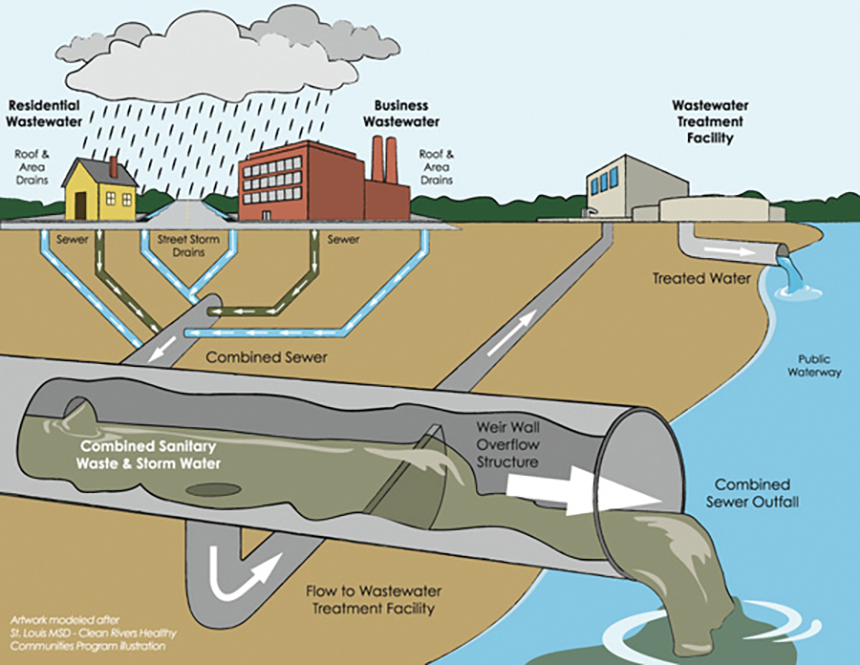 Composting Toilets Relieve Need to Flush Clean Water - ecoRI News
The Grossest Surprise Fact
Here’s the showstopper: a single flush of solid waste contains more bacteria than there are people on Earth. Seriously, your toilet could host a parade. And yet, the treatment plants destroy 99.9% of those bugs before the water goes back to nature. That’s a better success rate than most New Year’s resolutions.
But the real twist? Some cities, like Oslo, Norway, are now using human waste to warm swimming pools. So one day, you might swim in a pool heated by your own leftovers. It’s poetic, vaguely disgusting, and absolutely genius.
The Final Word: Be Kind to Your Porcelain Friend
Next time you flush, pause for a moment of appreciation. You are participating in one of the greatest engineering triumphs of all time—a system that keeps cities from becoming medieval nightmares. Your waste doesn’t just vanish; it gets a tech upgrade, a bacterial makeover, and a second life as energy, fertilizer, or even tap water.
So, don’t flush wipes, grease, or anything “flushable” (spoiler: nothing is truly flushable). Respect the bowl. Thank the microbes. And remember: what goes down must come around—maybe as a strawberry. Bon appétit.
