What Is Carbonation In Pop

Ever taken a sip of soda and felt that delightful, tingly explosion on your tongue? That, my friend, is carbonation—the secret superpower behind every fizzy drink. It’s the re...
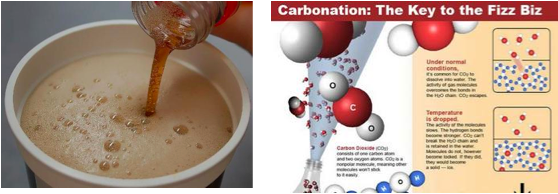
Ever taken a sip of soda and felt that delightful, tingly explosion on your tongue? That, my friend, is carbonation—the secret superpower behind every fizzy drink. It’s the reason a humble can of pop can feel like a tiny party in your mouth.
The Science of Fizz (Made Simple!)
At its core, carbonation is simply carbon dioxide gas dissolved into a liquid under pressure. Think of it as trapping a bunch of invisible, excited bubbles inside a bottle, just waiting for their moment to escape.
When you crack open a can, the pressure drops, and those gas bubbles break free. They race to the surface, popping as they go—and that’s the fizz you hear and feel.
Must Read
Why Do We Love It So Much?
Believe it or not, your brain is wired to enjoy that sharp, prickly sensation. It’s a gentle, harmless shock that wakes up your taste buds and makes every sip feel alive.
There’s even a scientific name for the feeling: chemesthesis. It’s the same family of sensations that makes chili peppers spicy or mint cool—but way more playful and refreshing.
So when you drink a pop, you’re not just hydrating; you’re tickling your nerves. How cool is that?
The Secret History of Bubbles
Carbonated drinks weren’t always a grab-and-go treat. In the 1700s, scientists tried to mimic natural fizzy spring water, which was thought to have health benefits. It was a lot of trial, error, and exploding glass bottles!
Eventually, a guy named Joseph Priestley (yes, the oxygen guy!) invented a method to infuse water with CO2. He called it “impregnating water with fixed air.” Fancy, right? Today, we just call it fun.
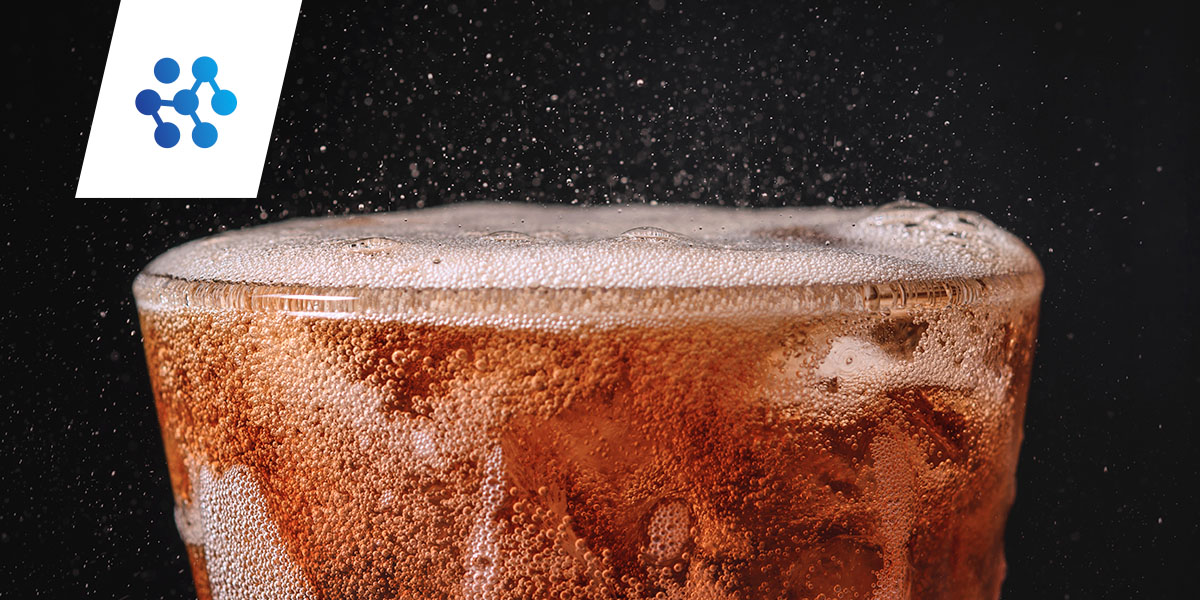 A Guide to Soda Carbonation | Meritus Gas Partners
From pharmacy tonics to global soda empires, carbonation turned a simple drink into a cultural icon. It’s the reason we toast with champagne, cheers with cola, and gulp down sparkling water on a hot day.
Carbonation Makes Life More Fun—Here’s How
Think about a picnic without a fizzy drink. It feels… flat, doesn’t it? That’s because carbonation adds theatrics. The hiss of a can opening is a sound of anticipation.
It also pairs perfectly with joy. Ice cream floats, soda fountains, and even a simple lemon-lime pop on a summer afternoon—these moments live in memory thanks to the bubbles. They transform a mundane beverage into an experience.
And let’s be honest: shaking a bottle and watching the geyser? Pure childhood magic. (Maybe don’t do that inside your mom’s kitchen, though.)
You Can Even Make It Yourself!
Here’s the inspiring part: carbonation isn’t just for factory assembly lines. You can create it at home with a simple soda siphon or a countertop carbonator. Add fruit, herbs, or a splash of juice, and boom—you’re a mad scientist of refreshment.
 Carbonated Soft Drinks Manufacturing Process at Kimberly Knox blog
Imagine hosting a party where you serve your own custom fizzy creations. “Would you like raspberry-lime sparkle or ginger-mint zing?” You’ll be the hero of every gathering.
And it’s not just about soda. Carbonated water can make your morning coffee feel fancy, or turn a boring cocktail into a bubbly masterpiece. It’s a tool of delight.
A Sparkling Final Thought
Life can feel heavy sometimes—like a soda left open too long. But carbonation reminds us that a little pressure can create something wonderfully exciting. It’s proof that science isn’t just textbooks and test tubes; it’s the pop in your pop.
So the next time you hear that satisfying psshhhh, pause and smile. You’re tasting a tiny marvel of physics and chemistry—a reminder that even the smallest things can bring a burst of joy.
Go ahead, grab a fizzy drink, and raise a toast to the bubbles. They make life so much more fun. And if you’re curious about what else lies hidden in your pantry? Well, that’s the start of a beautiful, bubbly adventure. Cheers!
