How To Maintain Well Water

So, you’ve got a well. Congratulations on your personal, subterranean swimming pool that you never actually swim in. For a lot of folks, well water is the nectar of the gods—c...
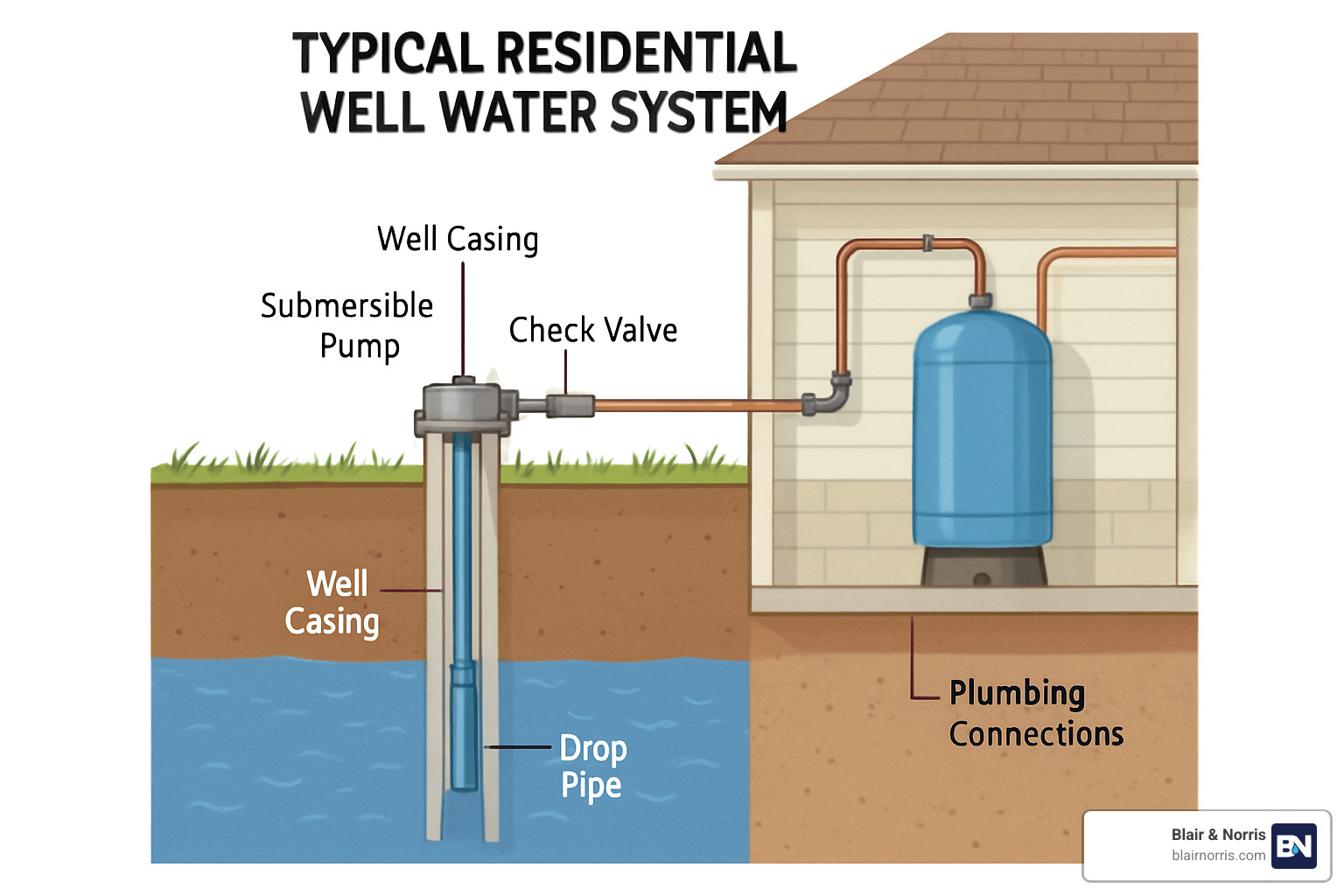
So, you’ve got a well. Congratulations on your personal, subterranean swimming pool that you never actually swim in. For a lot of folks, well water is the nectar of the gods—cold, crisp, and free from that municipal chlorine taste that makes your tap water smell like a public pool. But here’s the kicker: that muddy hole in your yard doesn’t come with a warranty. If you ignore it, Mother Nature will turn your refreshing water into a glass of dirt-flavored regret. Let’s talk about keeping that liquid gold flowing without the horror movie plot.
The First Commandment: Thou Shalt Not Ignore Thy Well Head
Your well head is the little metal or plastic dome poking out of the ground, and it’s basically the front door of your water supply. If you let a lawnmower blast mud right into it, you’re inviting every bug, worm, and sad little field mouse to take a swim in your drinking glass. Keep the area around it clear of weeds, grass clippings, and other crunchy debris, and make sure the cap is sealed tight—like you’re protecting a secret cookie recipe from a hungry neighbor.
Oh, and don’t pile snow, leaves, or soil around it. That’s like tucking your house’s mouth into a dirty blanket. The seal on that cap is not a myth; it’s your first line of defense against what I call the “Backyard Sip.” You don’t want dirt in there. You don’t want it.
Must Read
The Shockingly Boring Secret: Check the Pump Once a Year
Look, I know annual maintenance sounds as exciting as watching paint dry on a rainy Sunday. But your submersible pump—that mechanical donkey at the bottom of the pipe—works harder than a caffeinated squirrel in a nut factory. It runs for hundreds of hours a year, and it doesn’t get coffee breaks. You should have a licensed well contractor test the pressure switch and electrical connections every twelve months. One little corroded wire, and your pump will stop like a teenager hearing a chore request.
Fun fact: the average submersible pump runs for about eight to fifteen years, which is almost exactly the lifespan of a slightly stubborn house cat. If yours is older than that, start saving your pennies for a replacement. Because when that pump goes, it doesn’t give a polite farewell—it just sighs, hums one last time, and leaves you with a dry spigot and a deep sense of betrayal.
The Tempting Myth of “It Tastes Fine, So It’s Fine”
Please stop saying this. I know your well water tastes like melted glaciers, but taste buds are liars. You cannot see, smell, or taste most of the nasty stuff that could be hiding in that glass—like arsenic, coliform bacteria, or nitrates from that one neighbor who over-fertilized his pumpkin patch in 2019. The only way to know is to get a water test, which is a cheap little envelope of plastic bottles you mail to a lab. Do it once a year, or every time you notice a funny color, smell, or something floating that looks like a microscopic mermaid’s tear.
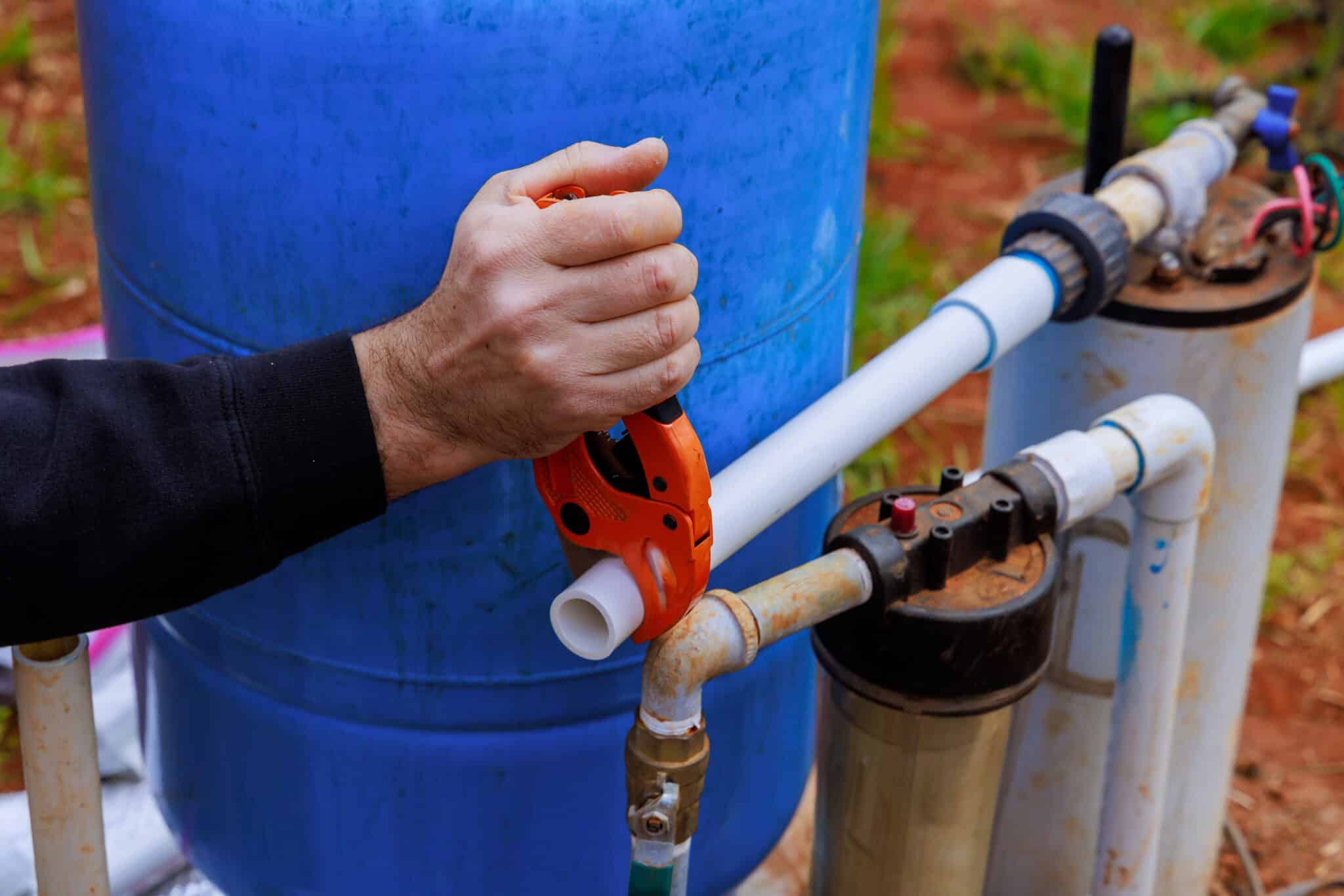 Water Well Maintenance in Oklahoma City | JB Water Well
Surprise fact for your next barbecue: a shocking number of wells contain high levels of radon, a radioactive gas that seeps out of rocks. Yes, you might be drinking lightly peppered with naturally occurring radiation. Is it dangerous? Depends on the level. Will it turn you into the Hulk? Sadly, no. But testing is the only way to find out if you’re hosting a silent radon rave in your water pipes.
Don’t Be That Person Who Shocks the Well for No Reason
Every few years, when paranoia strikes, someone decides to “shock” their well with a heavy dose of chlorine. This is a big deal, like giving your well a violent chemical bath. If bacteria is present, fair enough—it works. But if you shock your well every spring just for fun, you’re basically nuking the helpful microbes and turning your water into a swimming pool accident. Only shock when a test shows bacteria, or if you’ve had a flood, a repair, or a gross incident (like a dead frog falling down the casing—yes, it happens). The rest of the time, let your well live its peaceful, dirt-walled life in peace.
Watch for Warning Signs That Sound Like Bad Poetry
If your water suddenly smells like rotten eggs, that’s sulfur gas from decaying organic matter or a failing anode rod in your hot water heater. If it smells like cucumber or melon, you might have actinomycetes bacteria—which sounds like a heavy metal band, but is actually just a funky flavor you don’t want. If your pump starts cycling on and off every twenty seconds, that’s a sign of a failing pressure tank or a small leak, and it means your pump is screaming “Help me!” in Morse code.
 How Does a Well Work? | Angi
The most flamboyant warning sign? Muddy or rusty water after a rainstorm. That means surface water is sneaking into your well shaft like an unwelcome party guest. It’s time to call a pro, because your well’s “grout seal” (the concrete jacket around the casing) might be cracked. Fix it before you start serving your guests mud milkshakes.
The Golden Rule: Don’t Use the Well for Your Science Experiments
I get it: you want to attach a giant water cannon, a fancy irrigation system, or a hose that sprays your cat on a hot day. But running your well pump at full blast for hours can literally pull sand and silt into your pipes, sandblasting your fixtures and shortening the pump’s lifespan. Let the pump take breaks. It’s not a pro-athlete. It’s a glorified metal straw with an electric heart. Treat it with the gentle respect you’d give an elderly relative who does all the cooking—appreciate the work, but don’t ask it to run a marathon.
In the end, maintaining your well is mostly about common sense, a little cash, and a phone number to a reliable well guy. Don’t let the water turn cloudy, don’t let the pump overheat, and for the love of all that is crisp and cold, test that water every year. Your future self—hydrated, healthy, and not sipping radon-soup—will thank you. Now go outside and give your well head a friendly nod. It’s doing more work than you think, and it doesn’t even get a vacation.
