How To Test Alkaline Water

So, you bought alkaline water. Or maybe you’re thinking about it. Good for you! You’re now entering a world of fancy pH numbers, slippery-tasting liquid, and more marketing hy...

So, you bought alkaline water. Or maybe you’re thinking about it. Good for you! You’re now entering a world of fancy pH numbers, slippery-tasting liquid, and more marketing hype than a superhero movie trailer. But here’s the $64,000 question: Is that pricey bottle actually alkaline? You can’t just trust the label. You need to test it yourself. Let’s get curious.
Step 1: Meet Your New Best Friend—pH Drops
Forget expensive gadgets. Grab a bottle of pH test drops. They’re cheap, tiny, and look like magic potion. You can find them online or at a health store for under ten bucks. Seriously, it’s cheaper than one fancy bottle of “ionized” water.
Fill a clean glass with your alkaline water. Add two or three drops of the reagent. Give it a gentle swirl. Watch closely—it’s like a liquid mood ring. The color that appears tells you everything. Blue or purple? Congratulations, your water is alkaline. Yellow or orange? Oops, that’s plain old tap water.
Must Read
The Colorful Truth About pH Strips
If drops feel too wizard-y, use pH test strips. They look like tiny bits of paper destined for a chemistry lab. Dip one in your water for one second. Wait thirty seconds. Then compare the color to the chart on the bottle. It’s like matching paint swatches, but for your hydration.
Here’s a quirky fact: Most alkaline water promises a pH between 8 and 9. If your strip looks forest green, you’re around 8.5. If it’s a deep blue or violet, you might be at 9 or higher. That’s pretty high. Too high can taste like baking soda. Not fun.
Why You Should Never Trust the Bottle Alone
Here’s where it gets hilarious—and a little shady. Many brands claim a pH of 9.0 on the label. But water changes pH when exposed to air. Open a bottle, let it sit for an hour, and test it again. You might find it dropped to 8.0 or lower. The carbon dioxide from your breath actually makes it more acidic. Who knew your own lungs could fight alkaline water?
That’s right: Your breath is a pH saboteur. So test your water immediately after opening. Don’t sip first. Don’t pour it over ice. Be ruthless. Curiosity demands cold, hard evidence.
Step 2: The “Tongue Test” (Yes, Seriously)
This isn’t just for science nerds. Your tongue is a pretty good pH meter. Alkaline water often feels “slippery” or “smooth.” It’s like the water got a spa treatment. Acidic water? That’s sharp and crisp. Tap water? It tastes like… water.
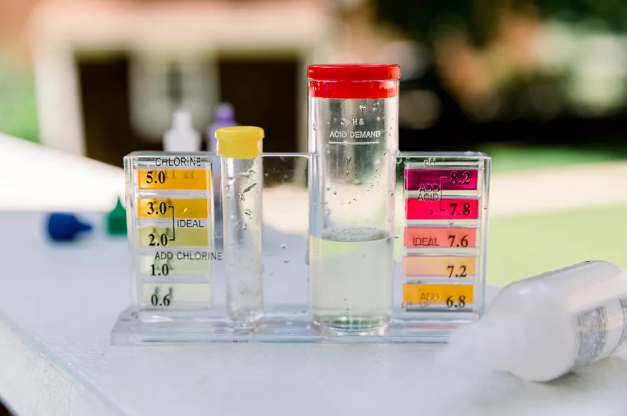 How to Use a Water Test Kit - Home Owners Must Know
Pour a tiny bit into a clean spoon. Take a sip. Does it feel softer or silkier? If yes, you’re probably looking at real alkaline water. If it tastes like you’re licking a clean window, that’s a good sign. But don’t rely on your tongue alone. It can be fooled by cold temperatures or a dry mouth. Always double-check with drops.
The Bubbles Lie to You
Here’s a fun trap: bubbles do not mean alkaline. You see those tiny fizzing bubbles in some bottled alkaline water? That’s often from added minerals, not pH. Some brands even add carbon dioxide to create bubbles, which actually makes water more acidic. Yes, you read that right. Sparkling “alkaline” water can be a hilarious fraud.
Test a glass of sparkling alkaline water. You’ll likely see a yellow or orange result. That means it’s not alkaline at all. Your tongue and eyes just got played. But now you know. Knowledge is power, and also a slightly acidic burp.
Step 3: The Fridge Test—Temper, Temper
Temperature changes pH slightly. Test your water cold and warm. Pour some from your fridge and test it. Then let it sit on the counter for 15 minutes and test again. You might see a half-point swing. That’s normal. But if it swings more than a full point, your water is unstable. That’s a red flag for poor quality.
Why does this matter? Because you’re paying for a guaranteed pH. Unstable water is like paying for a first-class ticket and sitting on a milk crate. Don’t let them fool you. Test both temperatures. Be a detective.
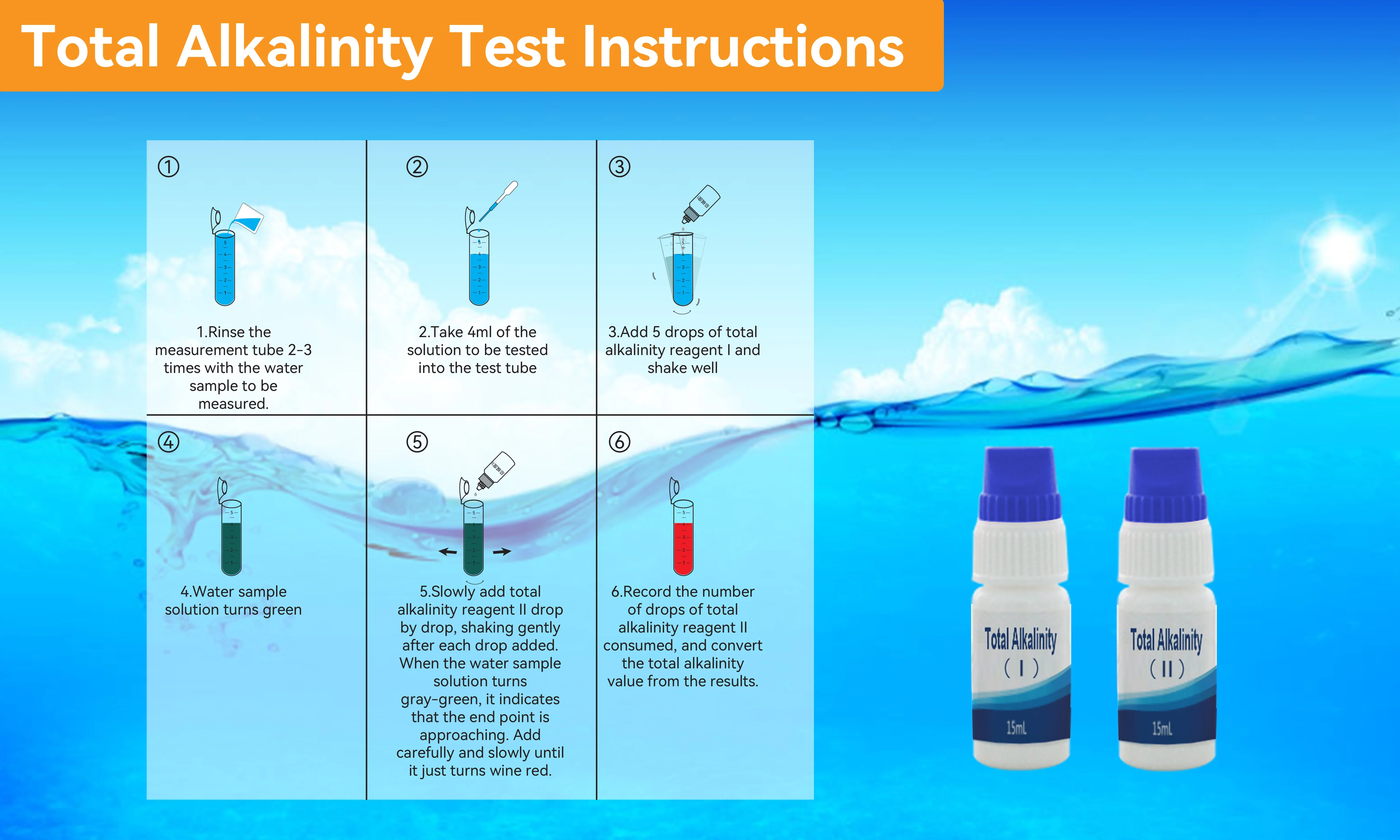 Merydi Total Alkalinity Test Kit - Accurate Water Quality Testing
What About Digital pH Meters?
You can buy a digital meter for around twenty bucks. They’re fancy, but finicky. You have to calibrate them with a special powder. If you don’t, they’ll give you random numbers that look scientific but mean nothing. They’re great for showing off at parties. Not great for a quick kitchen test.
My advice: start with drops. They never lie. They don’t need batteries. They don’t care if you’re a beginner. They just change color and let you laugh at the marketing hype.
The One Weird Best-Kept Secret
Here’s the funniest part of all. Alkaline water enthusiasts love to say it “changes your body’s pH.” Spoiler alert: your stomach is a acid volcano. It’s pH 2. Any alkaline water you drink gets instantly neutralized by your stomach acid. So the water’s pH matters exactly zero once it hits your gut.
Still, testing is fun. It’s like being a mad scientist with a glass of water. You’ll discover which brands actually keep their promise. You’ll laugh at fake bubbles. You’ll impress your friends at dinner parties. And if your water turns out to be plain old tap water, you’ll know exactly who to blame: the label, not your taste buds.
So go grab a test kit. Get curious. Test your water today. And if it’s actually alkaline, raise a glass—slippery and all—to your new superpower. Cheers, water detective.
