How To Test Water Softener

Last Tuesday, I poured myself a glass of tap water, took a sip, and legitimately wondered if someone had spiked it with pickle juice. My dishes had that weird, filmy look, and...
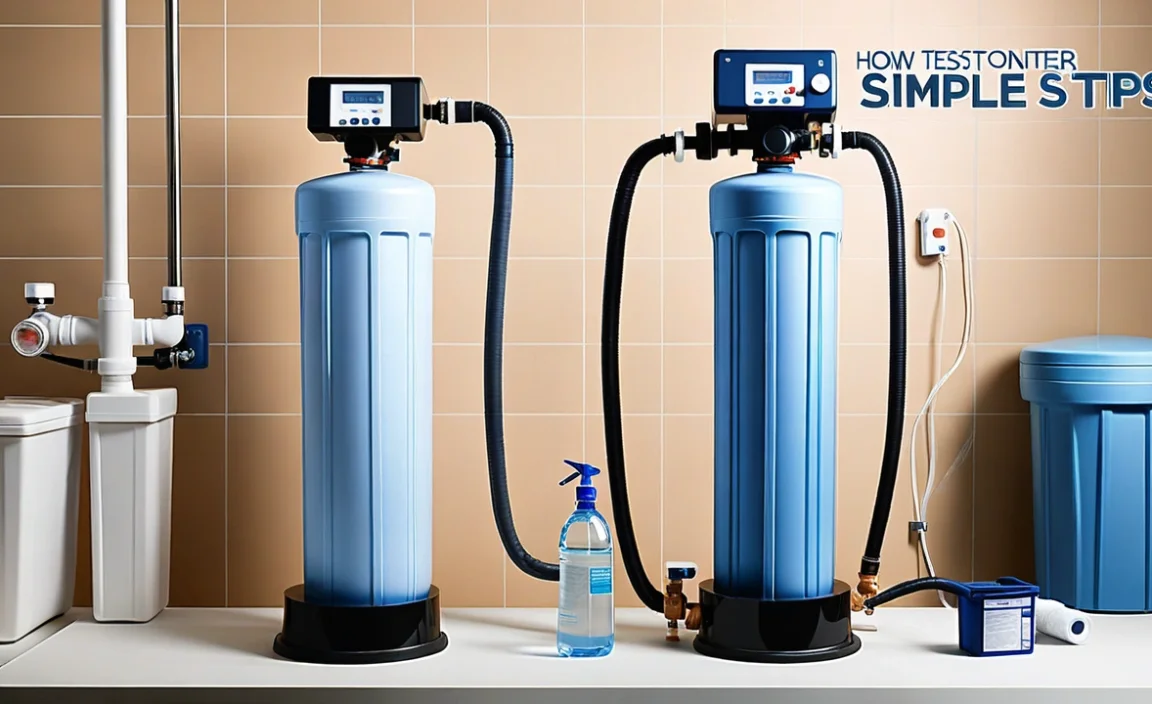
Last Tuesday, I poured myself a glass of tap water, took a sip, and legitimately wondered if someone had spiked it with pickle juice. My dishes had that weird, filmy look, and my skin felt like I’d just bathed in chalk dust after every shower. That’s when I knew: my water softener was either broken, or it was secretly plotting against me.
Sound familiar? Before you call a plumber (and drop fifty bucks for them to press a button), you can test your water softener yourself. It’s not rocket science—it’s more like detective work with a splash of chemistry, perfect for a Tuesday afternoon.
The Simple “Soap Suds” Test (Your Hands Know Best)
Fill a clean, clear bottle—like an old soda bottle—halfway with tap water. Add three drops of liquid dish soap (the cheap, non-dishwasher kind). Shake it like you’re mixing a martini, really aggressively, for ten seconds.
Must Read
Look at the suds. If you see a thick, fluffy layer of foam that sticks around for a solid minute? Congrats—your softener is working, and you’re living in luxury. If you get a thin, sad layer or no foam at all, and you notice cloudy water? Then your softener is kaput or the salt is gone. (Side note: this test works because hard water minerals kill soap’s ability to foam. The more suds, the softer the water—it’s math, but the fun kind.)
The “Taste Test” (Don’t Gag, You’re a Scientist)
Okay, I’m not saying you should chug hard water. But a quick sip—just a sip—tells you a lot. Soft water tastes smooth, almost silky, like it’s been filtered through velvet. Hard water has a metallic, “mineral-y” tang, like licking a penny wrapped in calcium.
If your water tastes like a salt-lick? Your softener might be dumping too much salt—that’s a problem too, but for different reasons. (I over-salted mine once, and my coffee tasted like the Atlantic Ocean. Not ideal at 6 AM.)
The Glassware Crime Scene
Pull out a glass from the cabinet. Is it crystal clear or is it covered in white, chalky spots or rainbow streaks? Those stains are calcium and magnesium crystals—hard water’s calling card. If your glasses look like they’ve been dusted with baby powder, your softener is failing.
:max_bytes(150000):strip_icc()/spr-ge-smart-water-softener-system-before-cathie-france-02-deb39afb98f64cccb22f925dddad15f8.jpeg) The Best Water Softeners The Spruce Has Tested
The Best Water Softeners The Spruce Has Tested
Run a clean glass under your tap, let it air dry. No spots? You’re golden. Spots everywhere? Time to investigate, friend. (Pro tip: check the dishwasher too—spotty plastic cups are the ultimate betrayers of a dead softener.)
The “Bubble Timer” Method (My Favorite)
This one’s for the impatient. Fill a bucket or a large cup from your kitchen sink. Add a tablespoon of dish soap and stir gently—don’t splash like a toddler. Now, count how long until the bubbles disappear. In soft water, bubbles laugh in the face of time—they last minutes. In hard water, they vanish in thirty seconds or less, like they got scared.
If your bubbles die faster than a vampire in sunlight, your resin tank is probably exhausted. That’s your cue to check the salt level before you get too dramatic.
Check the Salt, Dumbass (I Mean This Lovingly)
Pop open the brine tank—the big, usually white tank next to your softener. Is the salt level above the water line? If you see mushy, wet salt or a solid crust at the bottom, that’s a “salt bridge.” It’s like a concrete layer that blocks the water from reaching the salt to make brine. Your system can’t regenerate without salt—it’s like having a car with no gas.
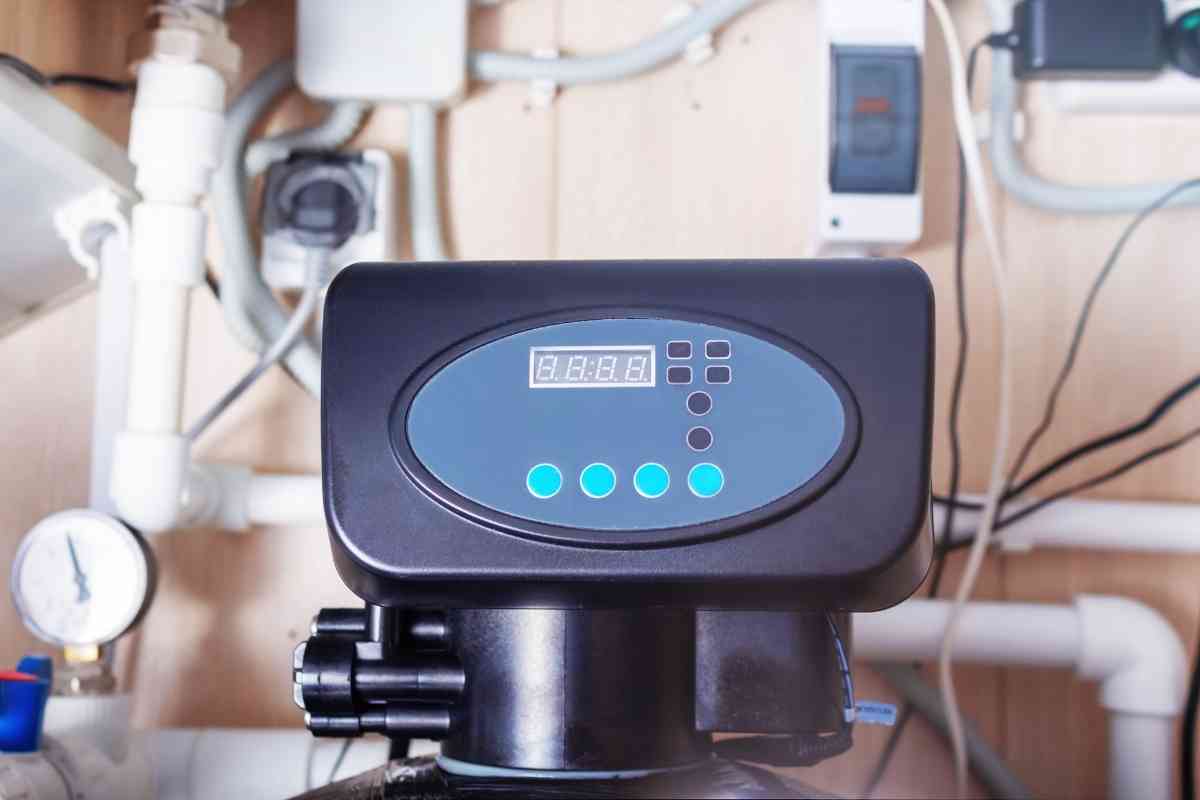 How To Test Your Water Softener In Seconds! - Freedom Residence
If the salt is fine but it’s been months since you refilled? You’re probably fine. But if the tank is half-empty and you’ve got hard water symptoms? The resin beads might be clogged—that’s a professional fix, sorry. (And yes, I once ignored this for six months and my dishwasher cried. Literally. The repair bill cried too.)
The Final Boss: A Water Hardness Test Kit
You can buy a small kit for like ten bucks at the hardware store. Fill a vial, add a drop of reagent, and watch the color change. Purple or red? Hard as nails, my friend. Blue? Your softener is singing. Follow the instructions—they’re simple enough for a caffeine-depleted human.
This is the only way to know, not guess. Because your taste buds and suds tests can be wrong if your water is “slightly” hard. (I’m a sucker for precision, but also for not spending money on repairs I don’t need.)
Look, testing your water softener isn’t a glamorous hobby. But it’s the difference between silky skin and scratchy towels, between sparkling glasses and cloudy nightmares. Do the tests. Trust your senses. And if all else fails? Just call a plumber and pretend you knew all along. I’ll back you up.
