How To Turn Your Water Off

Ever stood there, staring at a gushing pipe, feeling totally helpless? It’s a classic panic moment, isn’t it? But here’s the cool secret: you actually have a superpower hidden...

Ever stood there, staring at a gushing pipe, feeling totally helpless? It’s a classic panic moment, isn’t it? But here’s the cool secret: you actually have a superpower hidden in your basement, garage, or even outside your house.
I’m talking about turning off your water. It sounds boring, I know—like learning about your life insurance policy. But trust me, this one simple move can turn a potential flood into a mere puddle.
Think of your main water valve as the master switch for your entire home’s plumbing. It’s like the circuit breaker, but for water. When you flip it off, the whole flow stops—dramatically and instantly.
Must Read
Why bother? It’s more fun than you think.
Imagine waking up to a burst pipe in the middle of the night. Without knowing your valve, you’d be frantically searching YouTube while water ruins your floorboards. But with this knowledge? You’re a hero in your slippers.
It’s also a neat party trick—okay, maybe not at parties, but for your own peace of mind. Ever notice how plumbers always find the problem right away? They aren’t mind readers; they just know where the off switch lives.
Okay, so where is this magical device?
First, you need to find your main water shut-off valve. In most houses, it’s where the water line enters from the street. Check your basement, crawl space, or near your water heater.
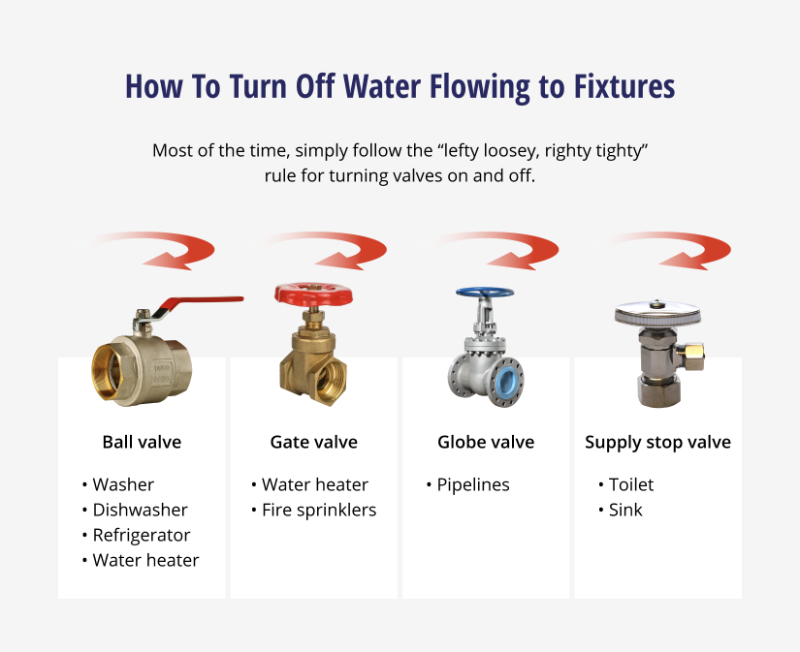
Outside, look for a metal box buried in the ground near your sidewalk or driveway. That’s the city’s valve—more on that in a sec. Inside, the valve usually looks like a round wheel (like a garden hose faucet) or a straight lever with a handle.
 How To Find & Turn Off a Main Water Shut-off Valve
Here’s the fun part: go on a mini treasure hunt right now. Walk around your home and look for it. It’s like a real-life adventure where the prize is avoiding a 2 a.m. disaster.
How to actually turn it off (without breaking anything).
Got a wheel-type valve? Turn it clockwise. Remember the old saying: "righty-tighty." For a lever valve, just rotate it until it’s perpendicular (at a 90-degree angle) to the pipe. That means it’s closed.
Don’t force it! Valves that haven’t moved in years can be stiff. Try using a pair of pliers or a wrench if it’s stubborn, but go easy. If it won’t budge, stop—you don’t want to snap it off.
What about that outdoor box? That’s your city water meter and valve. You can turn it with a special key (a long metal tool) or sometimes with a big crescent wrench. But be warned: some cities don’t want you touching it. Check your local rules, or you might get a fine.
 How to Turn Off Your Water in an Emergency - YouTube
Test drive your new superpower.
Before a crisis, do a dry run. Turn off the main valve and then open a faucet inside your house. If water trickles out and then stops, you did it right. High five yourself.
Then, turn it back on slowly—open it all the way until it stops. Wait for the sink to sputter and run clear. That’s air leaving the pipes, totally normal. You’ve just trained for the big leagues.
When should you actually use this?
Obvious times: a burst pipe, a leaking water heater, or if you’re leaving for vacation and want to sleep better. But also? If you hear a weird hissing sound or see a wet spot on the ceiling. Don’t wait—shut it off first, ask questions later.
One last weird tip: if you’re replacing a faucet or toilet, you don’t need to turn the whole house off. Use the little valve under the sink. But marking your main valve? That’s like knowing where the fire extinguisher is—pure gold.
So go ahead. Find your valve today. Give it a gentle twist. You’ll feel a weird little thrill—like you’ve unlocked a secret level in the game of adulthood. Plus, you’ll be the calm friend everyone calls when their basement turns into a swimming pool.
