Why Is Purified Water Bad

We all want to drink clean water. But somewhere between the tap and that sleek plastic bottle, we might have gone a little overboard. Purified water—whether it’s distilled, re...
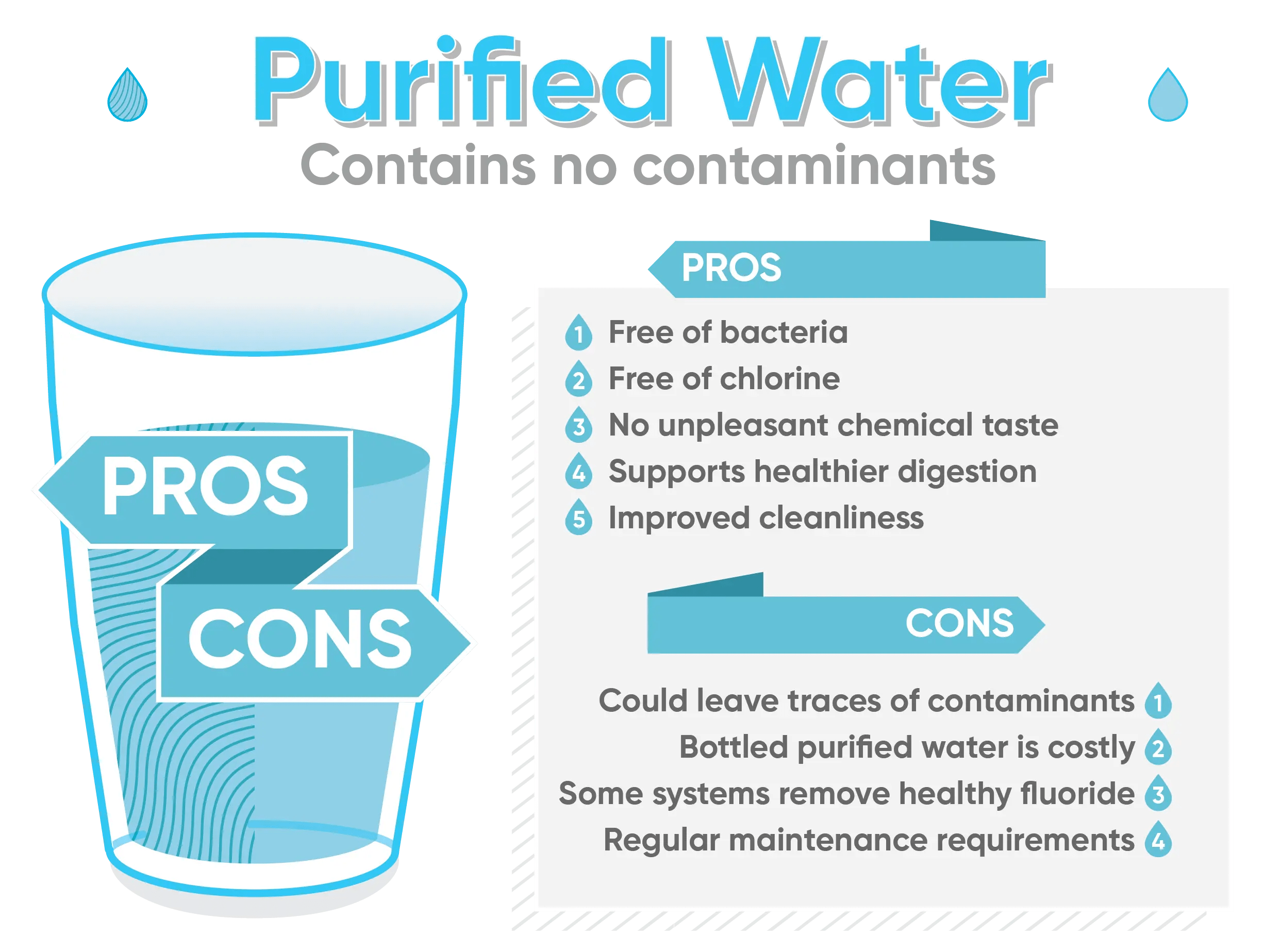
We all want to drink clean water. But somewhere between the tap and that sleek plastic bottle, we might have gone a little overboard. Purified water—whether it’s distilled, reverse-osmosis, or deionized—is starting to show its not-so-clean side.
Think of it like a friend who’s so perfectly put together they’re a little boring. Purified water is stripped of everything, including the good stuff, leaving behind a flat, almost sterile experience. Let’s get into why your body might be sending you a polite “please stop” signal.
The Great Mineral Heist
Here’s the biggest plot twist: purification doesn’t just remove pollutants. It also removes calcium, magnesium, and potassium—the very electrolytes your cells crave. You’re essentially drinking a blank canvas, but your body needs paint.
Must Read
This matters because even tiny amounts of these minerals trigger crucial bodily functions. Without them, your heart rhythm, muscle contractions, and nerve signals can get a little sloppy. Drinking purified water long-term is like running a marathon on empty.
Fun fact: The World Health Organization actually warned in a 2004 report that demineralized water could contribute to mineral deficiencies. Yes, an international health body basically said, “Hey, maybe don’t drink nothing.”
The ‘Thirst Trap’ Phenomenon
Have you ever chugged purified water and still felt thirsty? You’re not imagining it. Purified water is so stripped of electrolytes that it doesn’t hydrate you as efficiently as mineral-rich water.
Your body actually needs a little bit of sodium and potassium to pull water into your cells. Without them, the water just rushes through your system like a tourist with no map. You end up drinking more, but your cells stay parched.
Next time you’re at a spa, notice how they serve water with cucumber or a pinch of sea salt. That’s not just for aesthetic Instagram shots—it’s smart hydration 101.
The Acidity Acid Trip
Pure water has a pH of 7, which is neutral. But bottled purified water is often slightly acidic, courtesy of carbon dioxide dissolving into it during processing. Drink enough, and you might tip your body’s delicate pH balance.
Your body works hard to maintain a slightly alkaline blood pH. While it’s not going to turn you into a science experiment overnight, chronic consumption of acidic water can leech calcium from your bones to buffer the acid. Think of it as your skeleton secretly donating minerals to your bloodstream.
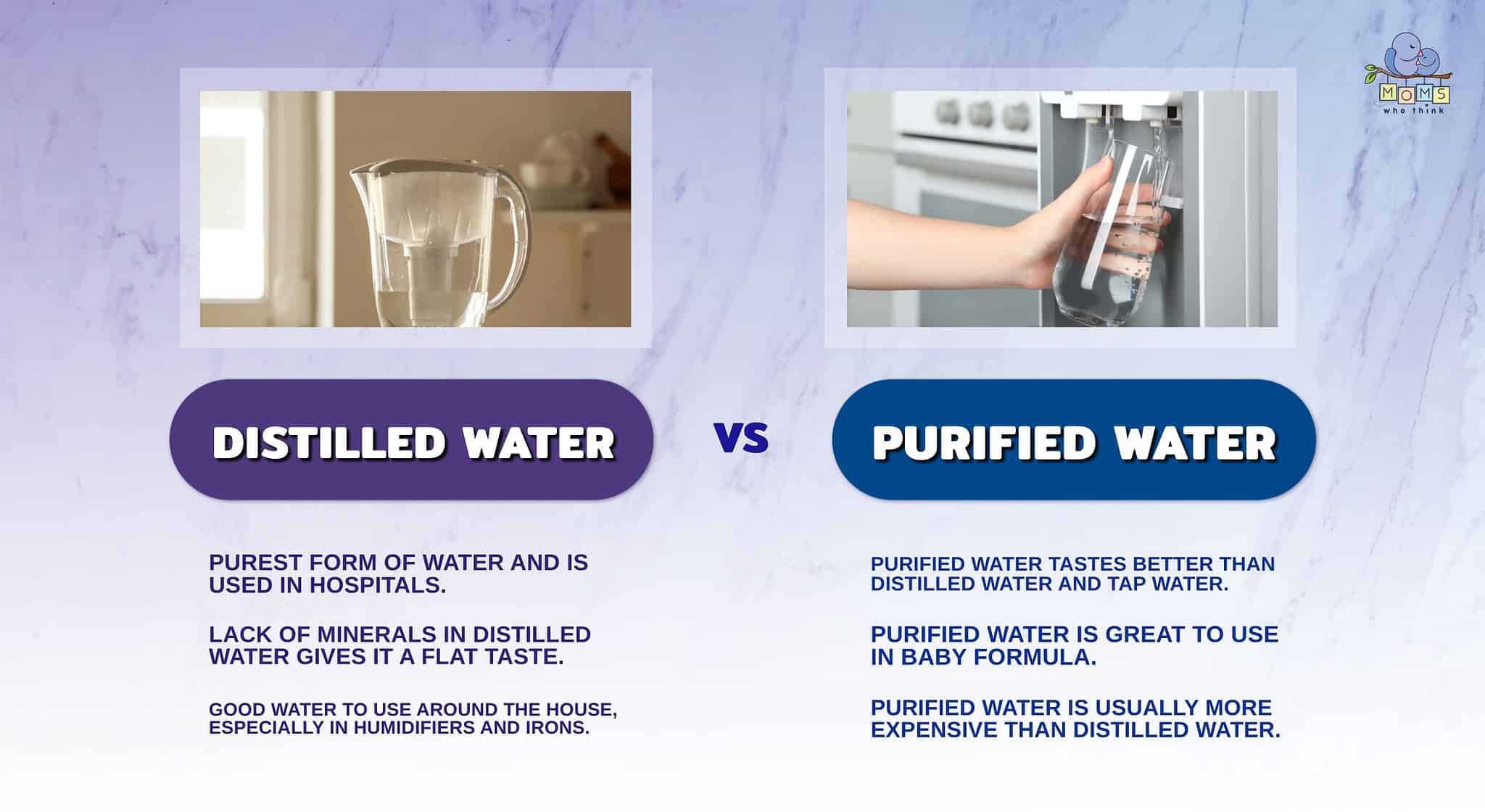 Distilled vs. Purified Water: 4 Differences & Health Benefits
Your teeth also hate the acidity. A 2017 study in the Journal of the American Dental Association found that some bottled waters can erode enamel just as much as soda. You paid for that dental work, right?
Plastic Problems, Bottled Edition
Let’s talk about the vessel. Most purified water comes in plastic bottles, and that plastic is a known endocrine disruptor. BPA and phthalates can leach into the water, especially if the bottle sits in a warm car or a sunny storefront.
Here’s the cruel irony: you’re paying a premium for water that’s “purified,” but the bottle itself is contaminating it. It’s like buying a five-star meal served on a dirty plate.
Cultural reality check: In Japan, people rarely buy single-use plastic bottles. They carry reusable flasks and trust their tap water. Maybe we should take a lesson from the land of pristine convenience stores.
Practical Tips for Water Wisdom
You don’t have to ditch all purified water. Just use it strategically. Save the distilled stuff for your iron, steamer, or car battery—not your kidneys.
Tip 1: Add a pinch of Himalayan salt or a drop of mineral concentrate to your purified water. This restores electrolytes and makes it taste alive again. Your mouth will thank you.
Tip 2: Invest in a carbon filter for your tap. It removes chlorine and heavy metals without stripping essential minerals. It’s the Goldilocks of water treatment—just right.
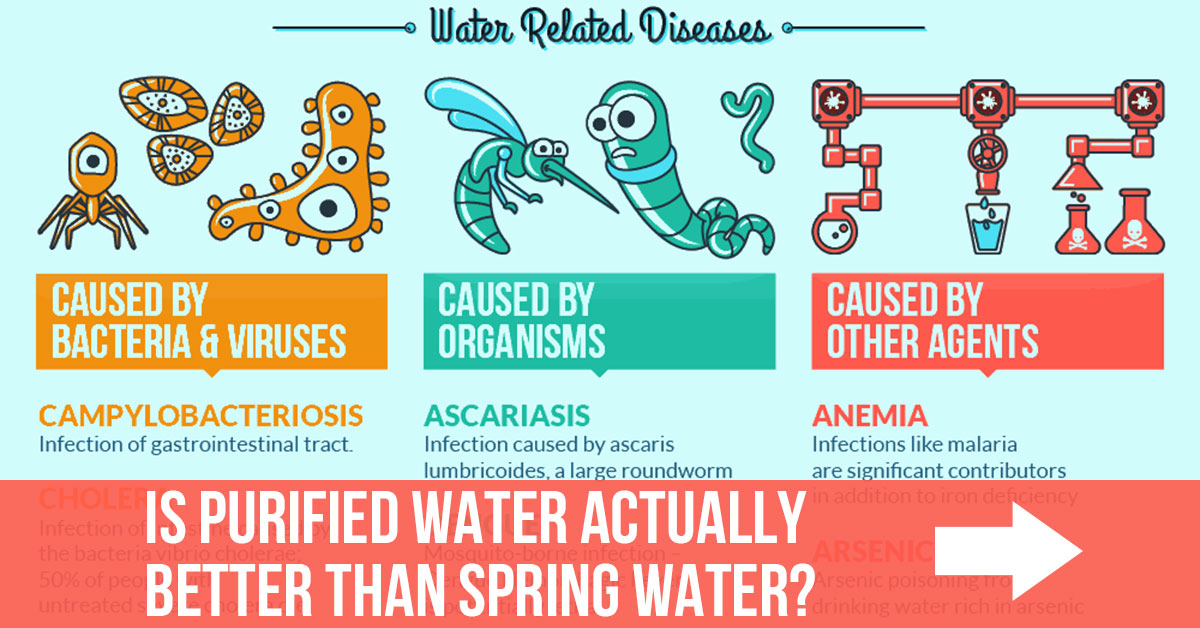 Purified Water Vs Spring Water
Tip 3: If you’re buying bottled, look for “spring water” or “mineral water” on the label. These sources are naturally filtered through rock and retain their mineral profile. Taste test between a spring water and a purified one—you’ll notice the difference immediately.
The Celebrity Water Trap
Remember when celebrities started hawking “alkaline water” for $4 a bottle? Turns out, most alkaline water is just purified water with added minerals. You’re paying for marketing, not magic.
Your stomach acid is extremely acidic anyway, so any alkaline water gets neutralized the moment it hits your gut. Your money could buy you a nice house plant instead.
Fun fact: The 2018 hit movie Sorry to Bother You actually satirized this whole obsession with fancy water. The characters are promised “clean water” as a corporate perk—but it’s just a distraction from bigger issues. Art imitating life, right?
The Final Pour
In our quest for the cleanest, most perfect water, we’ve accidentally created something lifeless. Purified water is fine for a short term or for specific uses, but as your daily go-to, it’s a bit like eating plain white rice for every meal—safe, but entirely unfulfilling.
Your ancestors drank water from rivers and springs, full of minerals and life. Maybe we don’t need to recreate that, but we can aim for something closer to the real thing. Water isn’t just H₂O—it’s a tiny, delicious cocktail of salts and elements that keeps your engine humming.
Next time you fill your glass, pause. Is it alive? Does it taste like something? If not, consider giving your tap a second chance, or at least splurging on a brand that respects the mineral kingdom. Your cells, with their quiet, grateful rhythms, will let you know you got it right.
