How Does Water Wells Work

Okay, let’s talk about water wells. You know, that magical hole in the ground that makes your faucet go “whoosh”? It feels like ancient sorcery, but it’s actually just good ol...
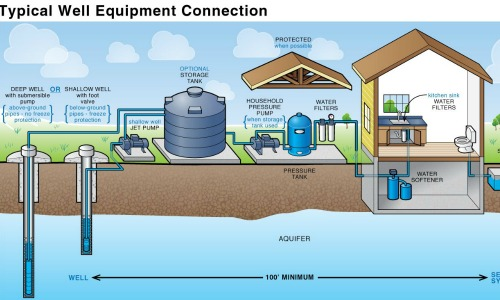
Okay, let’s talk about water wells. You know, that magical hole in the ground that makes your faucet go “whoosh”? It feels like ancient sorcery, but it’s actually just good old-fashioned engineering with a dash of luck. Grab your coffee, because we're about to drill into this.
So, how does a well really work? Imagine the ground is a giant, messy sponge. Rain falls, soaks through the dirt, and pools up in a dark, underground lake called an aquifer. The well is basically a straw you shove into that sponge to take a sip.
First, You Gotta Dig (or Drill)
Back in the day, someone with a shovel and biceps would just dig until they hit water. Fun, right? Now we use giant drilling rigs that look like they could poke a hole in the moon. They spin through rock, dirt, and clay like a hot knife through butter—except noisier and dustier.
Must Read
The hole itself is pretty wide, maybe a foot across. But it's not just a dirt shaft. If it were, it’d collapse and swallow your drill bit whole. So they slide a steel or PVC casing down the hole to hold it open. Think of it as a really long, permanent soda can buried in your yard.
Let’s Talk About the “Screen”
Here’s where it gets clever. At the bottom of the casing, there’s a well screen. It looks like a fancy colander or a sock with tiny slits. This screen lets water in but keeps sand, gravel, and dirt out. Nobody wants muddy tap water, am I right?
Then they pack gravel around the screen. It’s called a gravel pack, and it acts like a second filter. It’s basically the bouncer at the club, saying, “Sorry, pebbles, water only.” This whole setup keeps your well from filling up with goop.
The Magic of the Pump
Water is lazy. It won’t just jump up into your house. You need a submersible pump—a little underwater robot that pushes water up the pipe. It sits deep in the well, totally submerged, humming away like a happy washing machine. When you turn on your kitchen tap, that pump gets an electric jolt and goes, “You got it, boss!”
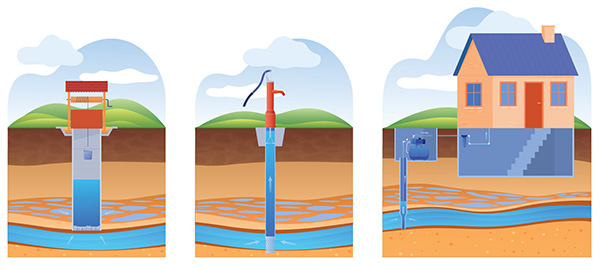 How A Well Water System Works Explained With Diagram
In older wells or shallow ones, you might see a jet pump sitting in your basement. It uses suction, like sipping a thick milkshake. But deep wells? Nah, you gotta send the pump down there.
Pressure Tanks Are the Unsung Heroes
Here’s a secret: your well pump doesn’t run every time you flush the toilet. That would be a nightmare. Instead, water gets pumped into a pressure tank—a big metal or bladder balloon. It holds water under pressure, so when you open a tap, that stored water shoots out instantly. The pump only kicks on when the tank gets low.
It’s like having a water butler waiting in the basement. You ask for water, and the butler hands you a glass without having to run to the kitchen. Efficient and slightly magical.
But Where Does All That Water Come From?
Great question! It comes from recharge. Rain and melting snow slowly percolate through the ground. It can take days, months, or even years for that water to reach your aquifer. So when you drink well water, you might be sipping rain that fell when you were still wearing diapers. Weird, huh?
That’s why wells aren’t infinite. If too many people drill straws into the same sponge, the water level drops. That’s called drawdown, and it’s the reason some wells go dry during a drought. Mother Nature is generous, but she’s not a bottomless cup.
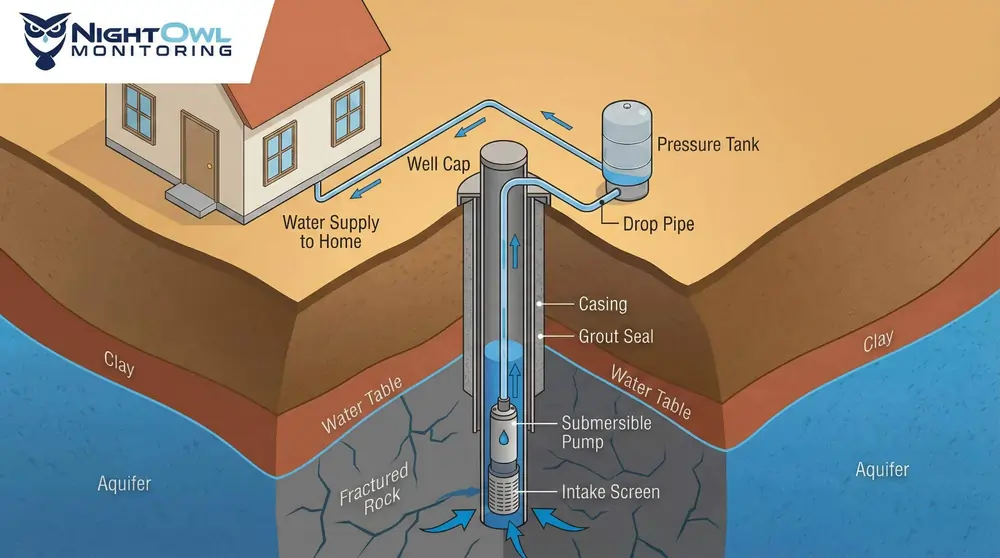 How Does a Water Well Work | Residential Well System Explained
What About That Smell? Or Taste?
Well water isn’t filtered by a big city plant. So sometimes it tastes like iron or smells like sulfur (a.k.a. rotten eggs). That’s natural—it’s just the minerals in the rock. You can add a water softener or a filter, but honestly? Some people love that earthy, rocky flavor. It’s like terroir, but for drinking.
And before you ask: yes, you need to test your well water. Bacteria, nitrates, or arsenic can sneak in. It’s not scary—it’s just responsible. Like checking the oil in your car, but with a science kit.
The Whole System in a Nutshell
Let’s recap. You drill a hole. You line it with a pipe. You add a screen and gravel. You drop in a pump. You attach a pressure tank. Then you run pipes to your house. Turn on the faucet, and presto—crystal-clear, earth-filtered hydration.
It’s not a miracle. It’s a well-engineered (pun intended) system that relies on gravity, electricity, and the simple fact that water wants to find the lowest spot. And your well is that spot.
So next time you fill up your glass, toast the aquifer. Give a little nod to the submersible pump. And maybe thank that random rock that filtered out last week’s rain. Cheers to the hole that gives us life—and a damn good drink.
