What Is Radioactive Water

So, you've heard the term "radioactive water" tossed around in the news or maybe in a sci-fi flick. It sounds like something from a superhero origin story, right? Honestly, it...
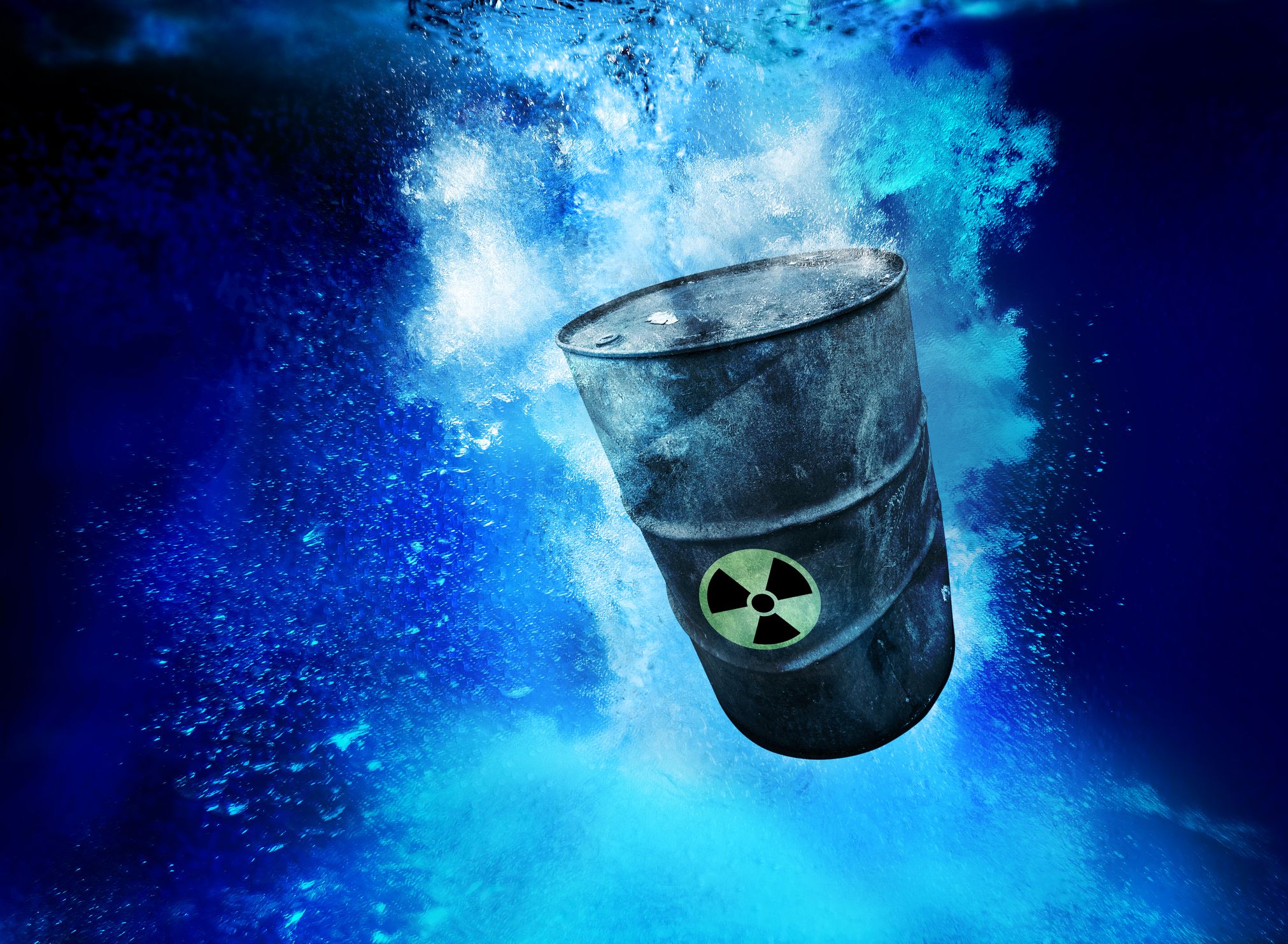
So, you've heard the term "radioactive water" tossed around in the news or maybe in a sci-fi flick. It sounds like something from a superhero origin story, right? Honestly, it is kind of fascinating when you peel back the scary label. Let's dive in with a curious mind and see what it's all about—no hazmat suit required.
First things first: What does "radioactive" even mean?
Think of atoms as tiny, lazy things that sometimes get too energetic. When an atom's core is unstable, it spits out energy or little particles to calm down. That's radiation—a natural burp from restless matter.
Water itself? It's just H₂O. But when radioactive elements like tritium, cesium, or strontium dissolve into it, the water becomes a carrier. It's like a water balloon filled with cosmic confetti that glows (if you had special eyes).
Must Read
Is all radioactive water man-made?
Nope! Mother Nature does this all the time. Radon gas seeps into groundwater from rocks, making some natural springs slightly radioactive. Ever heard of Radium? It was once sold as a health tonic—yikes.
But the spicy water you hear about today usually comes from human activities. Think nuclear power plants, medical waste, or old bomb tests. It’s not glowing green like in cartoons—it just acts like a silent, invisible dye in the water.
Why should we be curious instead of terrified?
Because perspective! Bananas are radioactive (thanks, potassium-40). So are Brazil nuts and granite countertops. Your own body gives off a tiny bit of radiation every second. So radioactive water isn't a monster—it's a scale.
The real kicker is concentration. A single glass of water with a few stray atoms? Totally harmless. A tank full of concentrated fission products? That's a different party—and you don't want to swim in it.
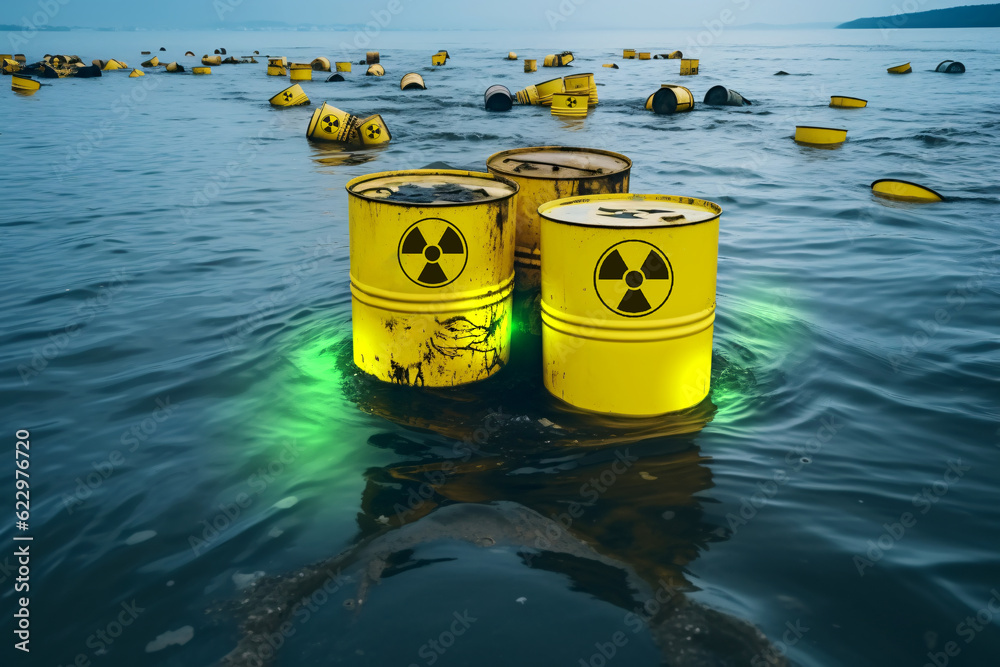 Radioactively contaminated water, radioactive waste drums, polluted
How does it get into our water supply?
Usually through leaks, spills, or natural seepage. Imagine a glitter spill on a dance floor—once it's in water, it spreads everywhere. Nuclear facilities store waste in giant tanks, but sometimes, tiny cracks happen.
Then there's tritium, the coolest little troublemaker. It's a radioactive hydrogen that bonds with oxygen to make "tritiated water." It behaves exactly like regular water, so it can be tough to filter out. Sneaky, right?
The "cool" part: We can actually track it
Here's where it gets fascinating. Because radioactive atoms are unstable, they decay at predictable rates. Scientists use them like tiny clocks to trace ocean currents, groundwater flow, and even the age of wine.
Want to know if a river is being fed by ancient ice? Check for radioactive isotopes. It's like using sparkles to map a secret underground highway.
What about Fukushima and the big debates?
You've probably seen headlines about Japan releasing treated radioactive water from the Fukushima plant into the Pacific. The water is filtered to remove most nasties except tritium. Tritium is weak—it can't even penetrate your skin.
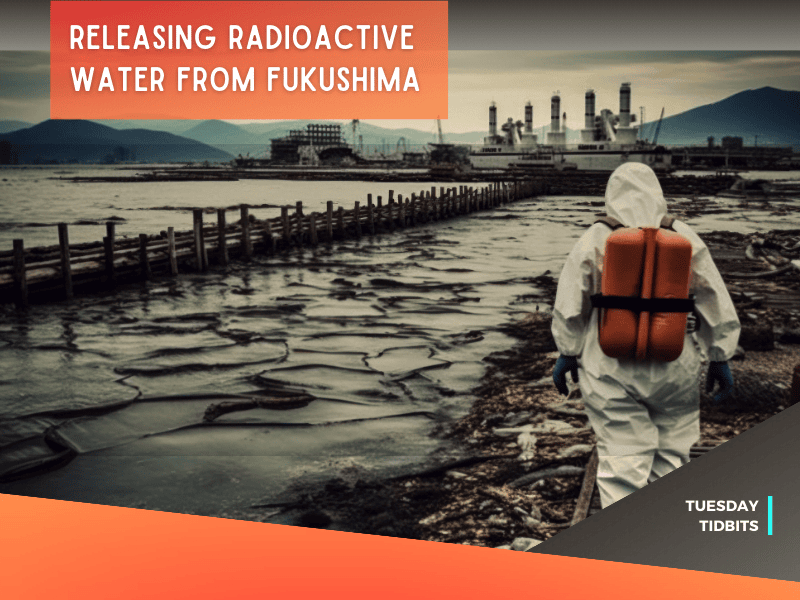 Releasing Radioactive Water from Fukushima: An Engineering Perspective
Yes, it's a huge dilution game. But the ocean is really, really big. The scientific consensus (from groups like the IAEA) says it's safe. But hey, public trust is like that one friend who needs proof twice—and that's fair.
Can you filter it out at home?
Not with a Brita pitcher. Reverse osmosis can remove some radioactive particles, but tritium is a Houdini—it's too tiny. Boiling doesn't help either; you'd just make radioactive steam.
The best solution is dilution and time. Most radioactive elements decay away in weeks, years, or centuries. Yes, centuries—but that’s why we store it carefully, not flush it down the sink.
A final, chill thought
Radioactive water is just water that's been hanging out with some high-energy atoms. It’s a reminder that the universe is constantly buzzing, even in your glass. We're not helpless—science gives us tools to measure, manage, and even use it for good (like medical imaging).
So next time you hear the term, don’t picture a glowing doom-cocktail. Picture a timeline of atoms slowing down, and humans trying to keep their tap water boring. Because boring water? That’s the real magic.
