How To Test My Ph Balance

So the other day, I was on a TikTok rabbit hole—you know, the kind where you start watching a guy restore a rusty axe and end up three hours later learning about vaginal flora...
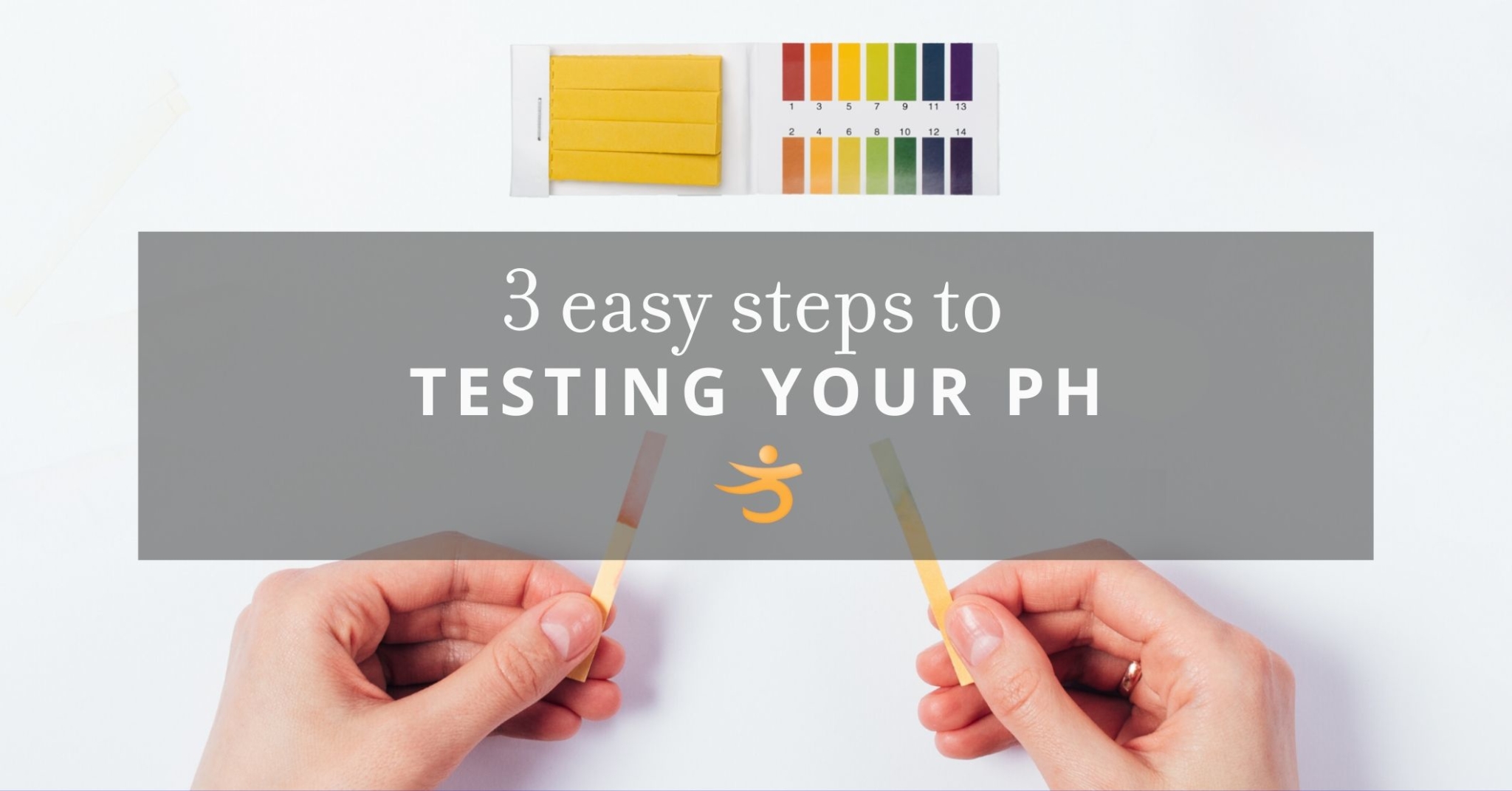
So the other day, I was on a TikTok rabbit hole—you know, the kind where you start watching a guy restore a rusty axe and end up three hours later learning about vaginal flora (because the algorithm just knows). And there she was, this influencer with perfect winged eyeliner, telling me I need to "test my pH balance." Honestly? My first thought was, "Ma’am, I can barely balance my checkbook." But then I got curious. Because let’s be real—our bodies are weird, wonderful ecosystems, and sometimes they send us signals in the form of itching, odor, or just a general "something feels off" vibe. So, how do you actually test your pH balance without turning your bathroom into a chemistry lab?
First off, let’s get one thing straight: when people yap about "pH balance," they’re usually talking about your vaginal pH or your urine pH. But because the internet loves a good panic, everyone thinks it’s a one-size-fits-all issue. Spoiler alert: it’s not. Your vaginal pH should hover around 3.8 to 4.5—that’s acidic, like lemon juice or a sour candy. Why so acidic? Because your vagina is a fortress, and that acidity keeps bad bacteria and yeast from throwing a party. Your urine pH, on the other hand, can swing from 4.5 to 8.0 depending on what you ate (hello, asparagus pee) and how hydrated you are. So before you start testing, ask yourself: Which ecosystem am I checking? And maybe stop Googling symptoms at 2 AM. (You’re fine. Probably.)
The Gadget Hunt: What Even Is a pH Test Strip?
If you’re a human who’s ever bought a pregnancy test, you’ll feel right at home. The tool is a pH test strip—a tiny strip of paper that changes color when it touches a liquid. You can find them at drugstores, online (because Amazon delivers everything these days, including existential questions), or even in the pool supplies aisle. But please, for the love of all things holy, do not use the pool ones. They’re calibrated for chlorine, not your lady parts. Get the ones labeled "vaginal pH" or "urine pH" from a reputable brand like pH Perfect or LITMUS (yes, that’s a brand, and no, I didn’t name it). They cost like $10 for a pack of 50—cheaper than a single therapy session for the anxiety this might cause.
Must Read
How to Test Your Vaginal pH (Yes, It’s Weird. Do It Anyway.)
Okay, deep breaths. You’re going to wash your hands first. No, seriously—go scrub like you’ve just played in dirt. Then, take a strip and hold it against the vaginal wall for about 10 to 15 seconds. Not the toilet paper, not your underwear, not your partner—the wall. You’ll feel a slight moisture, and the strip will change color. Match that color to the chart on the box. If it’s between 3.8 and 4.5, congrats—your flora is as balanced as a yoga instructor on a beach. If it’s higher (like 5.0 or above), it might mean you have bacterial vaginosis (BV) or a yeast infection. But here’s the kicker: sometimes a higher pH is normal for you if you’re on your period, post-sex, or perimenopausal. So don’t spiral. Just note it and call your doc if you have symptoms like unusual discharge or an odor that says, "I’ve seen things, Karen."
What About Pee? (Because Everyone Wants to Pee on Something)
Testing your urine pH is easier than a Netflix log-in. Just pee into a cup (or directly on the strip, you rebel), wait 10 seconds, and compare the color. If it’s too acidic (below 5.0), you might be dehydrated, on a keto diet, or stressed out of your mind. If it’s too alkaline (above 8.0), you might have a urinary tract infection or you just drank a gallon of kale juice. Either way, urine pH isn’t a crisis unless it’s paired with pain, fever, or blood. Also, side note: morning pee is the most concentrated, so test it first thing if you want consistency. And maybe don’t email me the results. I’m not your doctor—I just write blog articles in sweatpants.
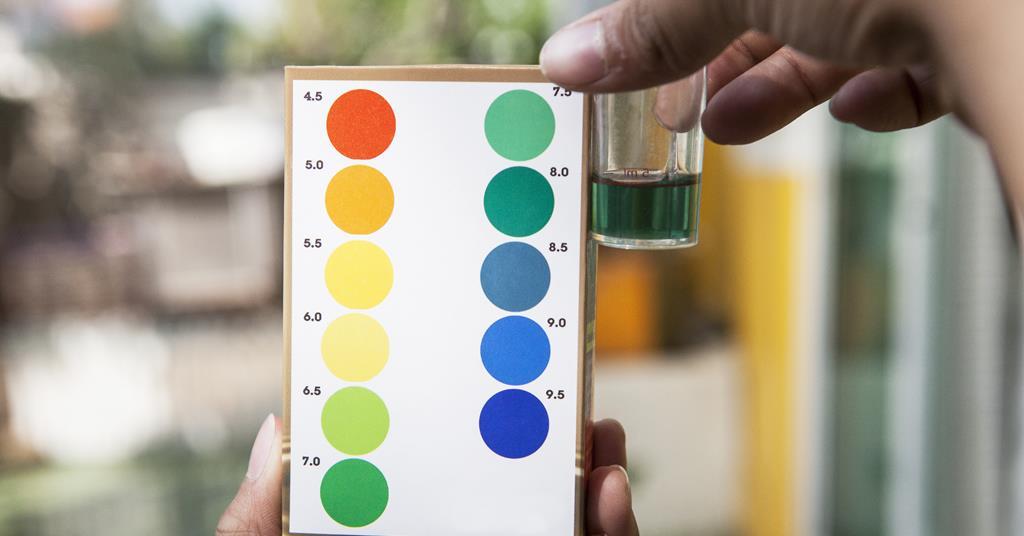 PH Scale | UK Science Technician Community
The Golden Rule: Don’t Become a pH Detective
Here’s the ironic part: most people don’t need to test at all. If you’re symptom-free, your pH is probably fine. Obsessively testing can actually cause anxiety, and anxiety can mess with your hormones and, you guessed it, your pH. So only test if you have symptoms like itching, burning, or a sudden change in discharge. Otherwise, save your money and buy a nice candle instead. Your vagina doesn’t need a monthly report card. It just needs you to eat some yogurt, wear cotton underwear, and stop douching. (Yes, douching is the enemy. Your vagina is a self-cleaning oven, not a dirty one.)
So, to sum it up: get a strip, test when you’re curious or concerned, but don’t treat your pH like a personality test. If you’re still freaked out after reading this, call your gynecologist—they have the official pH meter and a medical degree. And if you’re reading this at 2 AM, put down the test strip and go to sleep. Your pH will wait. You’re fine. Probably. (Ironic? Maybe. But that’s the vibe.)

