Why Is Bath Water Yellow

You sink into a hot bath, expecting a sanctuary of clear, steaming water. Instead, you’re met with a distinctly yellowish hue. Before you panic and blame your plumbing or a fa...
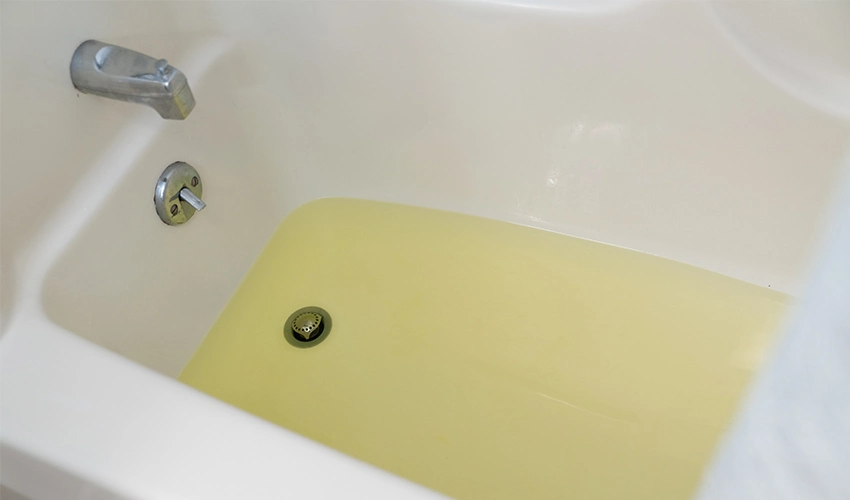
You sink into a hot bath, expecting a sanctuary of clear, steaming water. Instead, you’re met with a distinctly yellowish hue. Before you panic and blame your plumbing or a failing water heater, take a breath.
That amber tint is almost always harmless, and it tells a fascinating story about the journey water takes to your faucet. Let’s decode the mystery of yellow bath water with a calm, curious mind—and a few practical fixes.
The Usual Suspect: Iron and Manganese
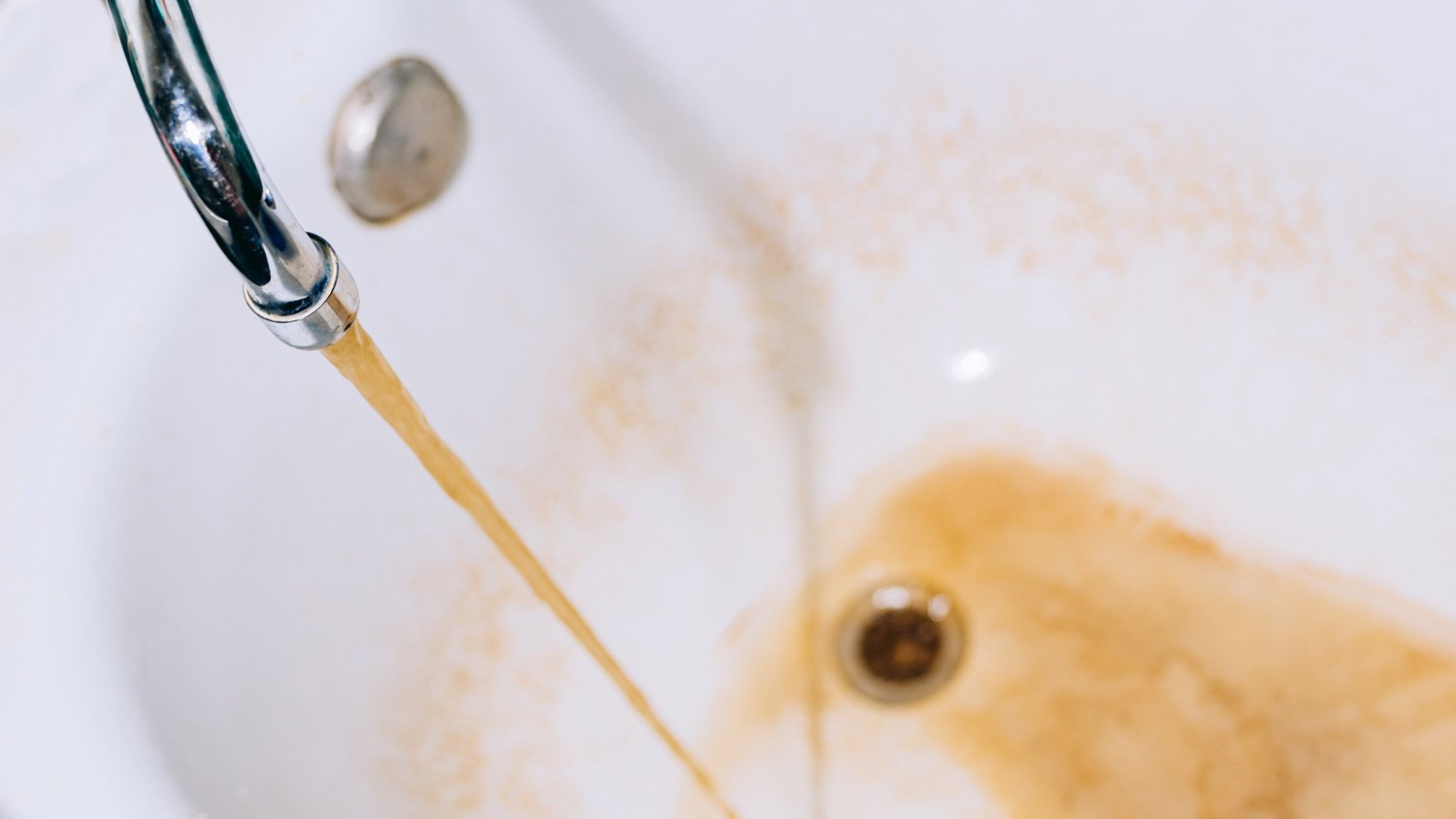
The most common culprit is naturally occurring iron or manganese in your local water supply. When these minerals mix with oxygen—say, when water sits in your pipes or gets agitated by the shower head—they oxidize, turning water a rusty yellow or brown. Think of it like a slice of lemon left out; it browns but isn't dangerous.
Must Read
This is especially common in well water or older municipal systems. The good news? It’s generally safe to bathe in, though it can stain white fabrics and porcelain over time.
Fun Fact: The Ancient Roman "Rust" Bath
Ancient Roman baths famously channeled water through lead pipes, but many aqueducts carried iron-rich water that turned baths a faint ochre. Romans considered this a sign of natural purity—a mineral blessing for the skin. So you’re bathing like a senator.
When It’s a House Issue: Sediment in the Water Heater
If the yellow water only appears from your hot tap, your water heater is likely the star of the show. Over time, sediment—mostly calcium carbonate and tiny rock particles—settles at the bottom of the tank. When you drain the heater, that sediment can flush out, turning your bathwater a dusty yellow.
This is easily fixed. Try flushing your water heater once a year: attach a garden hose to the drain valve, run the water until it runs clear, and you’ll restore clarity. It’s like a spring cleaning for your pipes.
Practical Tip: The Cold Water Test
Run your cold tap for a minute. If that water runs clear but the hot is yellow, your water heater needs a flush. If both are yellow, the issue is upstream—your city supply or main pipe.
 Why Is My Bath Water Yellow? | Angi
Rusty Pipes: Old Infrastructure, New Concerns
If you live in a house built before the 1980s, your pipes might be galvanized steel or old copper. Over decades, these can corrode internally, shedding rust particles that give water a yellow or orange tint. This is more common after a water main break or repair—the disturbance shakes loose years of buildup.
Don’t panic. Running the tap for five to ten minutes usually clears it. If it persists, the EPA suggests testing for lead or copper, especially in older homes. A simple home test kit (under $20) can give you peace of mind.
Cultural Reference: The Tokyo Hot Spring Connection
In Japan, onsen (hot springs) often boast yellow, iron-rich water called "koganeyu" (golden water). Bathers travel miles for its mineral benefits. Next time your bath looks a little golden, just imagine you’re soaking in a therapeutic onsen—minus the ticket price.
The Rare Case: Tannins from Decaying Leaves
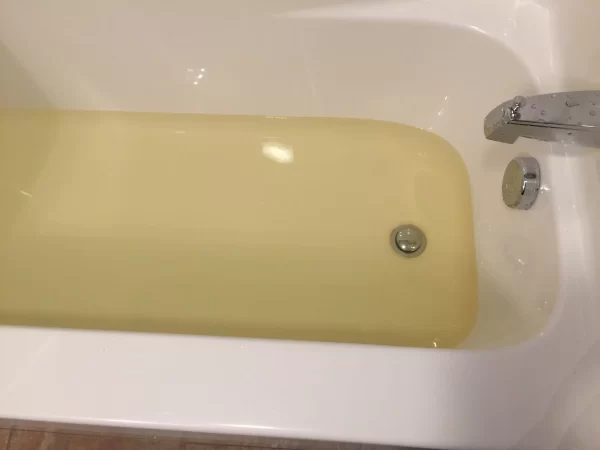
If you get your water from a well and it’s a pale yellow or tea-colored, it might be tannins. These organic compounds come from decaying leaves and vegetation seeping into your groundwater. They aren’t harmful and won’t affect your health—just your aesthetic.
Think of it as a weak herbal tea bath. Some coffee-lovers say the color is oddly comforting. A whole-house carbon filter can fix this if you find it unappealing.
 Why is my bathtub water yellow? - House I Love
Quick Fix: Call Your Water Supplier
Before you start troubleshooting, call your local water utility. They can tell you if they’re flushing hydrants, fixing a main, or if the whole neighborhood has yellow water. It saves you hours of guessing.
When to Worry: The Greenish-Yellow Clue
If your bath water has a greenish-yellow tint—especially paired with a metallic taste or smell—it might indicate elevated copper levels. This often happens when acidic water eats away at copper pipes. While rare, this warrants a quick water test.
For the vast majority of yellow baths, though, the solution is patience and a five-minute flush. The water is safe, clean, and normal.
Fun Fact: The World’s Yellowest Water
Lake Nyos in Cameroon sometimes turns a striking yellow from dissolved iron and volcanic gases. It’s dangerous for drinking but a stunning spectacle. Your bathtub? Perfectly safe spectacle.
The Final Pour: A Reflection
Yellow bath water is rarely a disaster—just a gentle reminder that your home is a living system of pipes, minerals, and time. Every flush and faucet tells a story of the earth beneath us.
So next time you see that amber tint, don’t let it spoil your soak. Instead, think of it as a natural signature—a little bit of the road your water traveled. In a world obsessed with perfectly clear everything, maybe a touch of yellow is just the honest, grounded detail we didn’t know we needed. Run the tap, breathe, and get in. Your bath is fine.
