Does Water Block Uv Rays

Last summer, I was floating in the pool like a slightly pink potato, convinced my SPF 50 was doing all the work. My friend, who’d spent the last hour reading, popped her head...
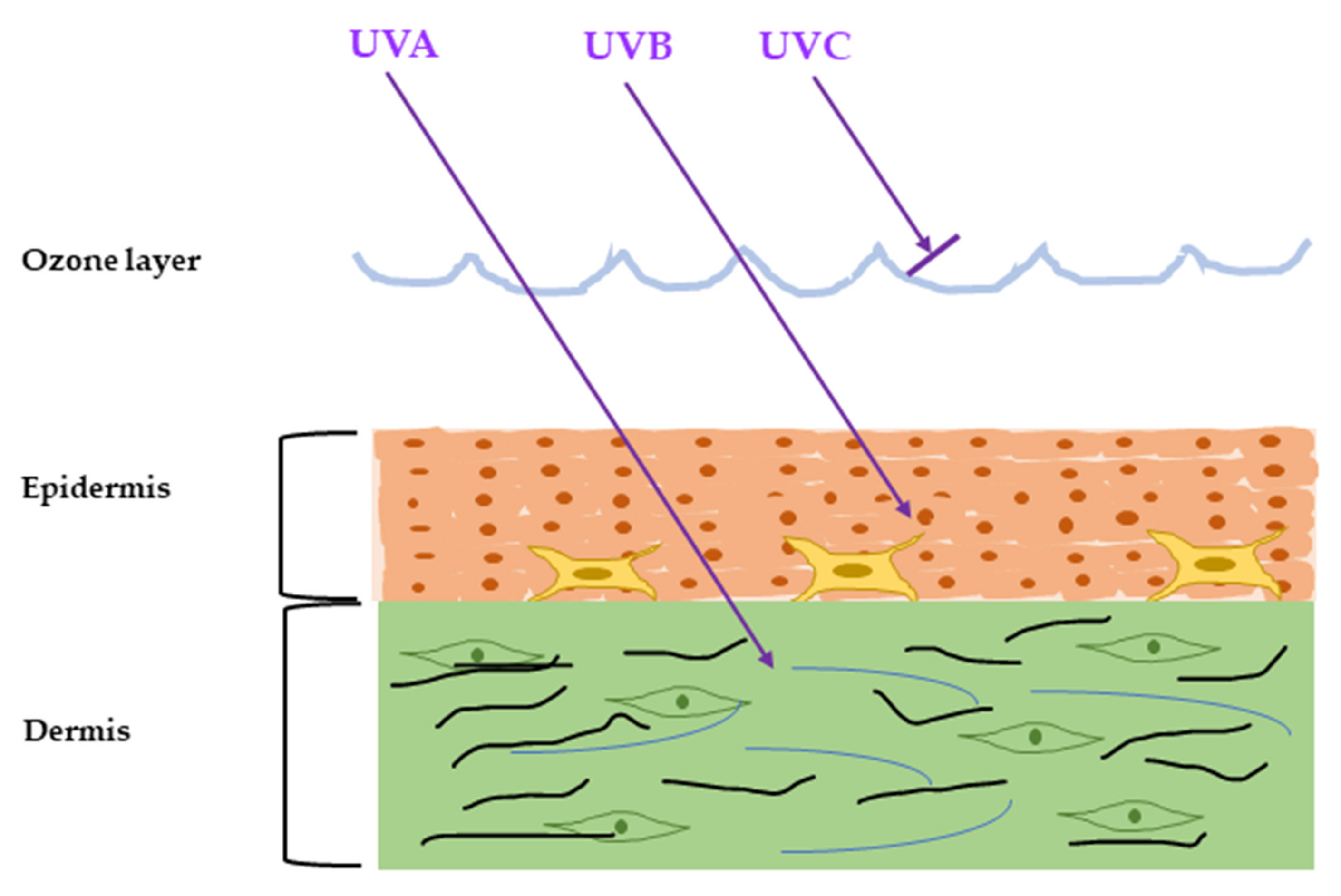
Last summer, I was floating in the pool like a slightly pink potato, convinced my SPF 50 was doing all the work. My friend, who’d spent the last hour reading, popped her head up and said, “Wait, does water block UV rays? I mean, I’m in the water, so shouldn’t I be safe?” She looked genuinely puzzled, like she’d cracked a secret code to sunbathing. I laughed, but honestly? I had no clue. So, let’s dive in—pun fully intended—and figure this out together.
The Short, Shocking Answer
Here’s the deal: No, water does NOT block UV rays effectively. I know, I know—it feels like a betrayal. That refreshing, clear liquid we trust to wash away sweat and stress? It’s pretty much useless when it comes to stopping ultraviolet radiation. In fact, water can actually make things worse, but we’ll get to that sneaky twist in a second.
Think of UV rays as tiny, invisible ninjas. They can slip through water with surprising ease, especially UVA rays, which are the ones that age your skin and cause long-term damage. A 2019 study from the Journal of Photochemistry and Photobiology found that even in crystal-clear water, about 50% of UV radiation penetrates to a depth of one meter. So unless you’re planning to live in a submarine, you’re not safe.
Must Read
Wait, Is It a Little Better Underwater?
Okay, let’s give water some credit—but only a tiny bit. Different types of UV rays behave differently. UVB rays (the ones that cause sunburn) are partially blocked by water, but not enough to matter. For instance, at just 30 centimeters (one foot) deep, you’re still exposed to about 80–90% of the UVB that hits the surface. So, if you’re splashing around in a lake or pool, your skin is still getting hammered.
And here’s the ironic part: water can actually amplify the UV damage. Because water is reflective, it bounces UV rays back at you from underneath. According to the Skin Cancer Foundation, water reflects up to 30% of UV radiation—so you’re getting hit from above and below. It’s like a double whammy that leaves you feeling betrayed by your favorite summer activity.
The Real Danger: You Forget You’re in the Sun
Here’s the sneaky side-effect of water: it makes you feel cool and refreshed, which tricks your brain into thinking you’re not burning. You’re floating, the breeze is nice, and your skin feels fine. But that’s a lie—your skin is microwaving like a silent popcorn bag. A study by Environmental Health Perspectives showed that people who swim or surf are three times more likely to get sunburned than those who stay on the beach, simply because they don’t feel the heat.
 Testing Sunscreen Effectiveness and Water Solubility | Science Project
Plus, water washes off sunscreen. If you’re not using a water-resistant formula (and reapplying every 80 minutes), you’re basically wearing a lie. So, that “water-safe” feeling? It’s a trap. Don’t fall for it.
But What About Deep, Murky Water?
You might be thinking: “Well, what if I’m in a cloudy, muddy lake? Surely that blocks more, right?” Sort of. Murky water (with lots of particles or algae) does block more UVB because the stuff floating around absorbs the light. But guess what? UVA rays still cut through like a hot knife through butter. And UVA is the main culprit for skin aging and wrinkles. So, that murky pond might save you from a burn, but it won’t save you from crow’s feet.
And here’s a fun fact from the National Oceanic and Atmospheric Administration: in the ocean, UV can penetrate up to 20 meters (65 feet) in clear water. That’s deeper than most recreational dives. Even fish get sunburned—no, seriously, salmon and tuna have been documented with UV-induced skin lesions. If fish can get cooked, so can you.
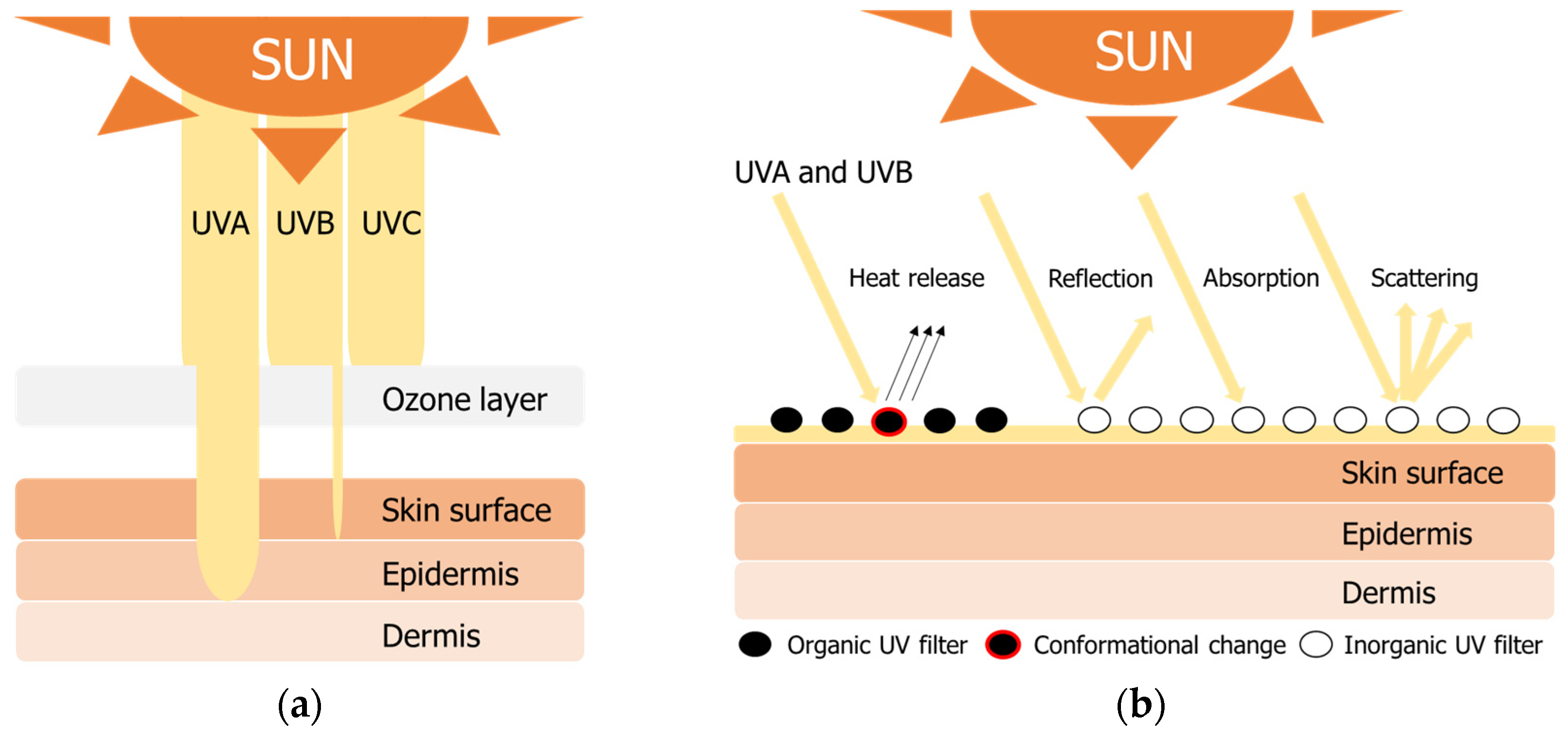 Curing Of Composite Components By Ultraviolet Radiation: A Review – XYNI
So, What’s a Sun Worshipper to Do?
Don’t panic—your pool days aren’t over. But you need to be smarter. First, always wear water-resistant, broad-spectrum sunscreen with at least SPF 30. Reapply it every 90 minutes if you’re swimming, or immediately after toweling off. I’m talking to you, my friend—the one who thinks “once at 10 a.m.” is enough. It’s not.
Second, consider a UV-protective swim shirt. They’re not just for toddlers or competitive swimmers—they’re your best defense against a lobster-red back. And if you’re snorkeling or diving? Wear a full rash guard. Your future self, with less wrinkly arms, will thank you.
Finally, use that reflective water to your advantage: if you’re near it, reapply sunscreen more often, even if you feel cool. Treat the water like a sneaky accomplice to the sun, not a shield. And next time your friend asks if water blocks UV rays? You can laugh and say, “Nope, but it’s a great place to float while you’re getting crispy.”
Bottom Line: The Water Is a Friend, Not a Shield
Water is amazing for cooling off, playing, and relaxing. But it’s terrible at protecting your skin from UV. So, slather on that SPF, wear a hat, and remember: the only thing water blocks is your view of the coming sunburn. Stay safe, stay curious, and don’t let the ocean fool you into thinking you’re invisible.
