How Does Fridge Make Ice

So there I was, at a friend’s barbecue, sweating in the July sun, and I asked for ice. They opened the freezer, and a perfect cascade of clear, clinking cubes tumbled into my...
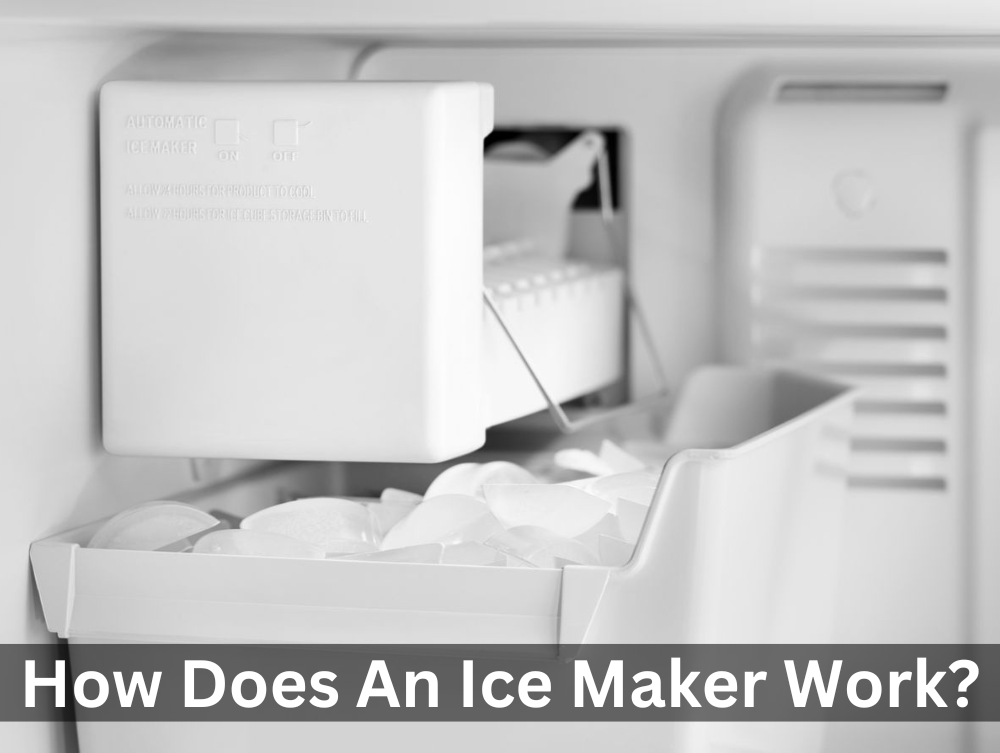
So there I was, at a friend’s barbecue, sweating in the July sun, and I asked for ice. They opened the freezer, and a perfect cascade of clear, clinking cubes tumbled into my glass. I just stared, thinking, “How does my fridge even do that?” It’s magic, right? Well, sort of—but it’s the kind of magic you can poke with a screwdriver.
Let’s be honest: we take ice makers for granted. You press a lever, and frozen perfection appears. But behind that simple action is a tiny, chaotic machine that’s basically a science experiment in your kitchen. And yes, I’m about to explain it like you’re a curious six-year-old (or, you know, a tired adult who just wants cold lemonade).
The Coolest Part: The Refrigeration Cycle
Forget the ice maker for a second. The real hero is the fridge itself—it’s a heat thief. It uses a special liquid called refrigerant that loves to turn from liquid to gas and back again. When it evaporates inside your freezer, it sucks up heat like a sponge. That’s why the inside gets cold, and the back of your fridge feels warm (don’t touch it, it’s gross back there).
Must Read
But the ice maker needs more than just cold air. It needs a steady flow of water that freezes in just the right way. If you’ve ever had that sad, hollow-looking ice cube, you know the machine sometimes fails at basic cube geometry. Don’t worry—it’s not your fault.
Step 1: Water In, Air Out
Your fridge is connected to your home’s water line (or you fill a manual tray, you poor soul). When the ice maker calls for water, a small valve opens and squirts water into a metal mold. But here’s the trick: the mold is angled, so water fills the whole cavity and pushes out any air bubbles. Air bubbles make cloudy ice, which is fine for whiskey but a crime in a fancy soda.
A little metal nub called a thermostat sits in the mold. It waits until the water hits exactly 32°F (0°C for my metric friends). Then it sends a tiny electric signal: “Hey, we’re frozen. Let’s do the thing.”
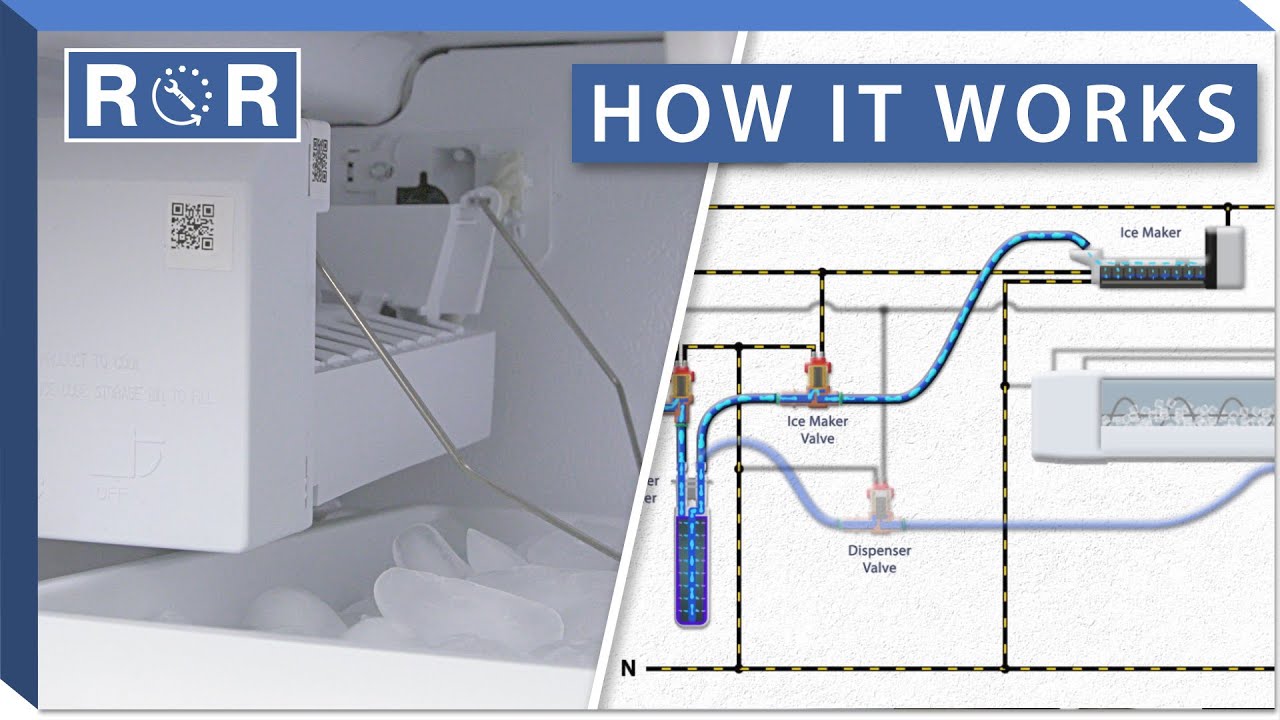 How Does The Ice Maker Work On A Lg Refrigerator at Saul Carroll blog
Step 2: The Ejector Mechanism (The Fun Part)
This is where the machine gets aggressive. Once the ice is frozen, a motor turns a set of plastic fingers or a rotating arm. These fingers literally pry the cubes out of the mold. It sounds violent, and it is—like a tiny forklift operator with no patience. You might hear a loud thump from your freezer. That’s the ice being liberated.
If the cubes are stuck (thanks to a power outage or a weird water mineral), the heater underneath the mold gives them a quick warm glow. It’s like a mini defrost cycle just for the cubes. “Get out of there, you little iceberg!”
Step 3: The Ice Bucket (And the War on Clumps)
The freed cubes drop into a plastic bin. Then another motor comes along and stirs them with a paddle. Why? Because ice cubes are social creatures—they love to clump together. The paddle keeps them separated so you don’t pull out a solid block of frozen friendship. You’ve seen that, right? It’s sad and awkward.
Your fridge has a sensor that checks the bin’s ice level. When it’s full, the machine says, “I’m done. Leave me alone until you use some.” Then it goes back to being a quiet, humming box in the corner. Respect the pause.
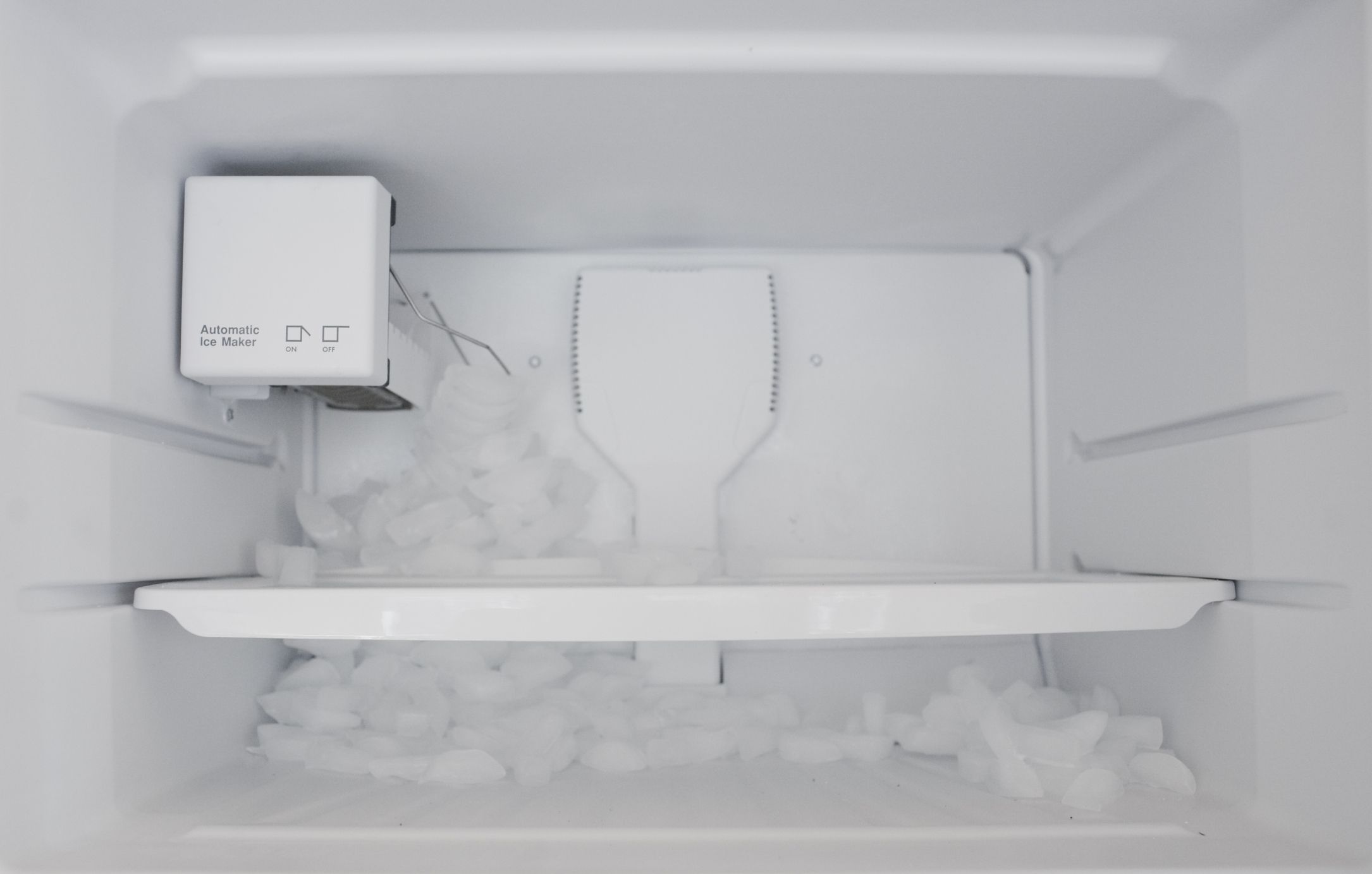 How Does A Refrigerator Ice Maker Work | Storables
Why Your Ice Sometimes Tastes Weird (And It’s Not Your Fridge’s Fault)
Ever get that faint taste of “old Tupperware” in your ice? That’s not the fridge being evil—it’s your water. If your home has minerals like sulfur or chlorine, the ice concentrates them. Also, if you don’t use the ice for a week, it absorbs odors from frozen pizza and last month’s fish. Solution: throw out old ice. Yes, it hurts. Do it anyway.
One more thing: never stick a metal object into the ice maker to free a stuck cube. I did that once. The metal shorted the thermostat, and my freezer turned into a sauna. I’m not proud of that story, but I’m sharing it so you don’t have to Google “how to defrost a crying apple juice puddle.”
The Future: Fridges That Think (And Judge You)
Newer fridges have Wi-Fi and ice makers that can make crushed ice on command. Some even tell you when the filter needs changing—they just don’t have the courage to say, “You really shouldn’t eat that leftover lasagna from Tuesday.” But honestly, do we need more gadgets? No. We need ice that doesn’t clump and a freezer door that closes by itself. Looking at you, children.
So next time you hear that satisfying clink-clink of perfect cubes hitting your glass, give a little nod to the refrigerant, the angry plastic fingers, and the tiny heater. It’s a small miracle of engineering that lives in your kitchen, working 24/7, just to keep your soda unbearably cold. Cheers to that.
