What Is A Water Purifier

So, picture this: I’m at my friend’s place, and she hands me a glass of water. It tastes weird—like someone left a penny in a fountain. I grimace, and she says, “Oh, that’s ju...
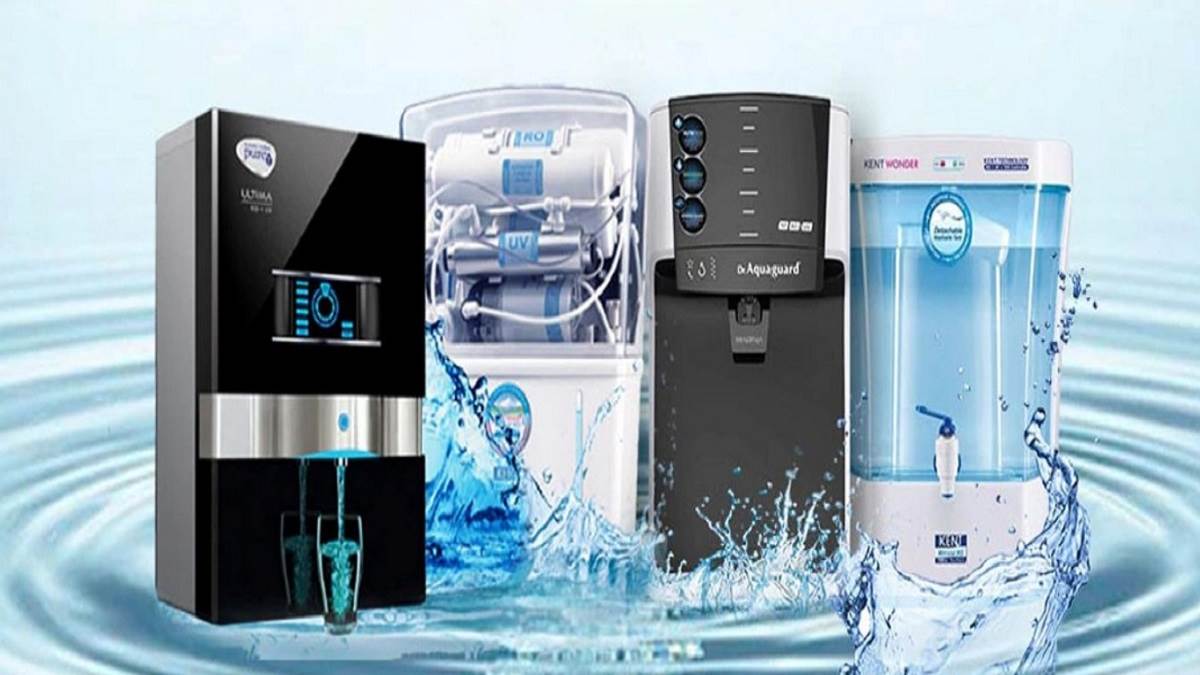
So, picture this: I’m at my friend’s place, and she hands me a glass of water. It tastes weird—like someone left a penny in a fountain. I grimace, and she says, “Oh, that’s just our tap water. You get used to it.” I did not get used to it. (And honestly, you shouldn’t have to.) That’s the moment I started asking: what is a water purifier, and why does everyone seem to need one?
Here’s the short version: a water purifier is a device that removes impurities from water—stuff you can see and stuff you can’t. Think chlorine, lead, pesticides, bacteria, and even microplastics. It’s like a bouncer at a club, but for your glass of H2O.
You might be thinking, “But isn’t tap water already treated?” Sure, it is. But by the time it reaches your faucet, it’s picked up a lot of baggage from old pipes, reservoirs, and treatment plants. (Ever tasted that faint swimming-pool vibe? That’s chlorine, and it’s trying to keep you safe, but it doesn’t taste great.)
Must Read
The Gross Stuff You’re Probably Drinking
Let’s get real for a second: tap water can contain over 2,100 known contaminants, according to some studies. Yikes. That includes sediment, rust, volatile organic compounds (VOCs), and even pharmaceutical residues. (Yes, your water might have a tiny bit of someone else’s aspirin.)
A water purifier catches these before they hit your glass. Some use carbon filters to trap chemicals; others use reverse osmosis to strip out almost everything—including the good minerals. It’s a trade-off, but for many, the peace of mind is worth it.
Types of Water Purifiers: Choose Your Fighter
Not all purifiers are created equal. You’ve got pitcher filters (those Brita-style jugs) that are cheap but slow. Then there are faucet-mounted ones that attach directly—handy, but they can slow your water pressure. (Nothing like waiting forever for a glass of water when you’re thirsty.)
For the serious folks, under-sink systems are the gold standard: they’re hidden, filter a lot, and usually use multi-stage filtration. And if you’re feeling extra fancy, there are whole-house purifiers that treat every tap, shower, and toilet in your home. Your skin might even thank you—less chlorine means less dry itchiness.
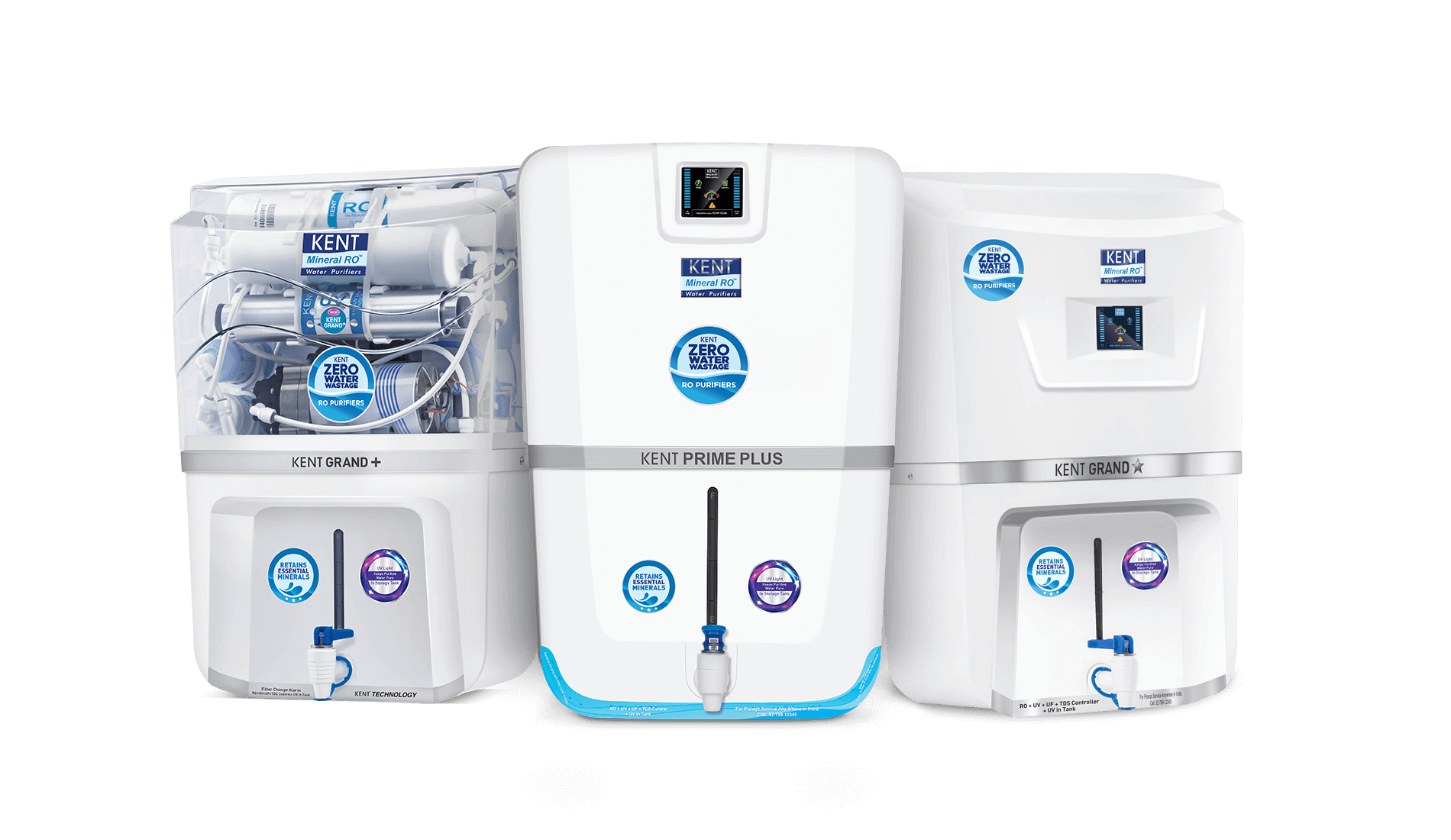 RO Water Purifiers- Buy KENT RO Purifier System Online at Best Price in
Why Bother? (Besides the Taste)
Look, I’m not saying you’ll glow in the dark if you don’t purify. But contaminants can add up over time. Lead from old pipes? That’s a neurotoxin, especially risky for kids. Chlorine byproducts? Linked to some health concerns. A purifier isn’t a magic shield, but it’s a solid insurance policy for your daily hydration.
Plus, let’s talk money. Bottled water is a scam—it’s often just tap water in a plastic bottle that costs 300 times more. A purifier pays for itself in months, and you’re cutting out all that plastic waste. (High-five, environment.)
The “But Does It Remove Everything?” Trap
Here’s the ironic twist: some purifiers are too good. Reverse osmosis, for instance, can strip out beneficial minerals like calcium and magnesium. That’s why some systems add a remineralization filter at the end. It’s like the purifier cleans your water, then apologizes and gives back a few goodies.
And no, a water purifier won’t fix every problem. If you have hard water (that chalky white residue), you might need a water softener first. Think of a purifier as one tool in a whole water-treatment toolbox—not a magic wand.
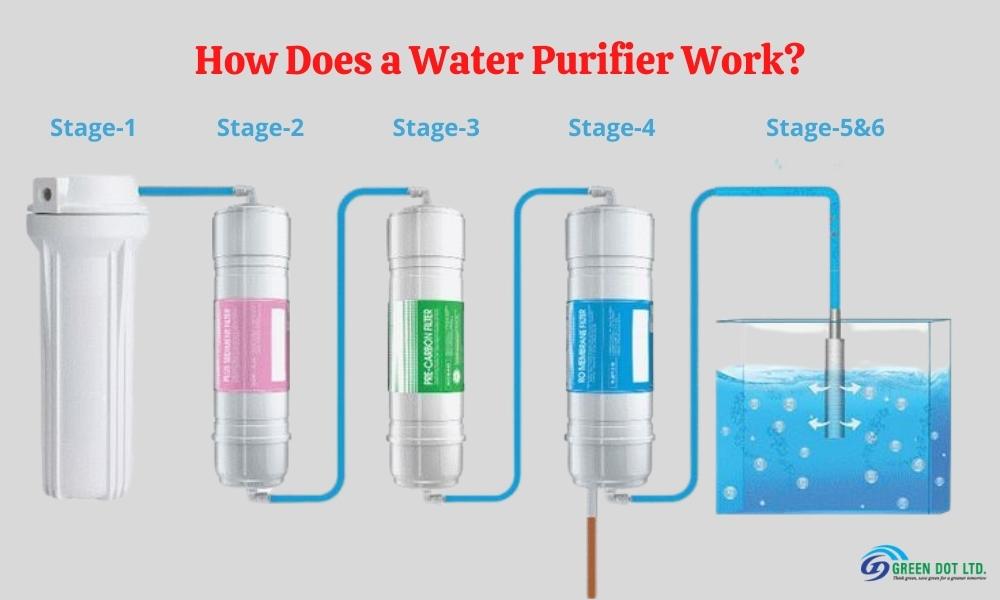 Water Purifier Working Principle at Alicia Skerst blog
The Hidden Cost: Maintenance
Nobody tells you this, but filters need replacing. And they’re not cheap—about $30 to $100 every 6 to 12 months, depending on the system. If you skip it, the filter becomes a petri dish. (Seriously, old filters grow bacteria. Don’t be that person.)
So set a calendar reminder. Or, if you’re me, procrastinate until your water tastes like regret. (I speak from experience—it’s not a good look.)
Final Sip: Do You Need One?
Honestly? If your tap water tastes fine, your pipes are modern, and you don’t have health concerns, you might not need a purifier. But if you’ve ever noticed a funny smell or a metallic aftertaste, it’s worth a shot. (And hey, you’re reading this—so you’re probably curious.)
A water purifier isn’t just a gadget; it’s a commitment to drinking better. It’s saying, “I deserve water that doesn’t taste like a swimming pool.” And honestly? You do. Now go hydrate—with or without that penny flavor.
