What Is Hard Water Scale

Let’s talk about something that’s probably ruining your plumbing right now, and you don’t even know it. I’m talking about hard water scale—the sneaky, crusty villain living in...

Let’s talk about something that’s probably ruining your plumbing right now, and you don’t even know it. I’m talking about hard water scale—the sneaky, crusty villain living inside your pipes, your kettle, and your soul. You know that white, chalky gunk that builds up on your showerhead and makes it look like a medieval fossil? That’s it.
What Even Is This Stuff?
Hard water scale is basically the skeleton of your water. When water flows underground, it picks up calcium and magnesium from rocks, like a greedy tourist grabbing souvenirs. Once that mineral-rich water hits your home and heats up or evaporates, those minerals throw a party and crystallize into a solid, stubborn crust.
Think of it as the water’s way of turning into a rock goblin. It’s not dangerous to drink—your bones might even thank you—but it’s a menace for your appliances. Your coffee maker is secretly waging a war against a mineral army, and it’s losing.
Must Read
The Shocking Scale of the Problem
Here’s a fun fact: 85% of American homes have hard water. That means your neighbor, your boss, and probably your goldfish are all dealing with this. In fact, hard water costs the average household an extra $600 a year in energy bills and appliance repairs—because scale loves to insulate your water heater, making it work twice as hard.
I once heard a plumber say that a buildup of just one-sixteenth of an inch of scale can reduce heating efficiency by 12%. That’s like wrapping your water heater in a winter coat made of concrete. It’s not cozy; it’s criminal.
Why Does It Hate Your Hair and Skin?
You know that squeaky-clean feeling after a shower? That’s actually a lie. It’s not “clean”; it’s soap scum residue that scale helped create. The minerals in hard water react with soap to form a sticky film that clings to your skin and hair, making them feel dry and straw-like.
Also, that weird white powder on your freshly washed dishes? That’s not extra-dry detergent. That’s scale laughing at you. It’s a mineral-based graffiti saying, “I own this glass now.”
 Water Hardness Scale Commercial Water Hardness Water City Of
The Batman Villain of Your Home
Scale is like a Batman villain—it has a dramatic origin story, it’s incredibly persistent, and it always comes back. In extreme cases, scale buildup can shrink pipe diameters by 75%, turning your elegant plumbing into a clogged artery. I’m not saying your house will have a heart attack, but your washing machine might die on the spin cycle.
Surprisingly, scale isn’t just a nuisance; it’s a thermal insulator. That means it traps heat in your water heater, causing it to overheat and fail. So you’re not just paying for wasted energy—you’re paying for a premature funeral for your boiler.
How to Fight the Crust (Without Crying)
You have two options: prevention or exorcism. For prevention, whole-house water softeners are the nuclear option—they swap calcium for sodium, making your water feel silky and your soap actually lather. If that’s too dramatic, you can use vinegar or a citric acid descaler to regularly eat away the scale. It’s like giving your kettle a tiny, acidic spa day.
But here’s the kicker: vinegar works because it’s acidic enough to dissolve calcium carbonate, but it’s also safe enough to drink. That’s right—you can pour salad dressing into your coffee maker and it will save the day. Just don’t brew that vinegar afterward; your taste buds will resign.
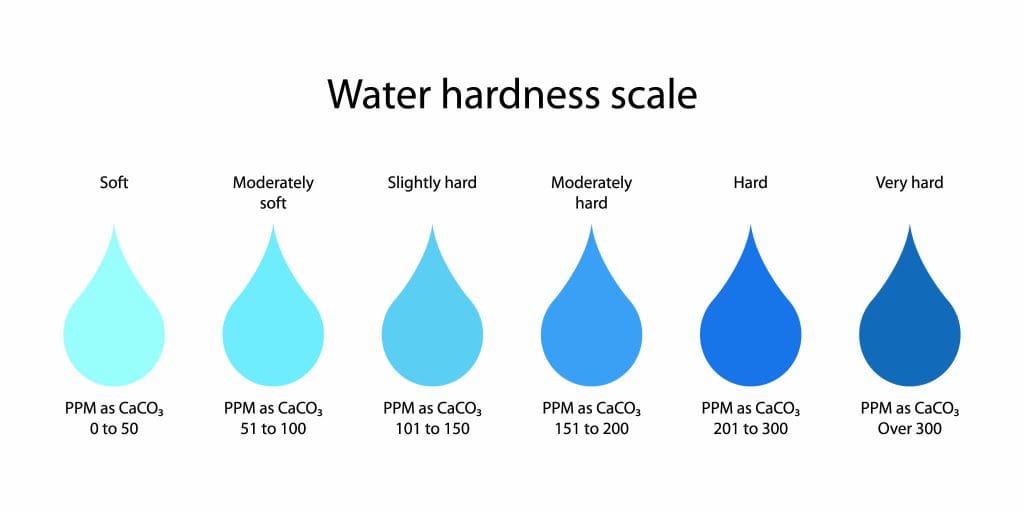 How To Tell If You Have Hard vs Soft Water: Differences Explained
The Surprising Truth About Scale
Not all scale is evil. In fact, some ancient Romans used hard water deposits to create self-healing concrete. When their structures cracked, the scale would fill the gaps and harden again. So, while scale is wrecking your dishwasher today, it was helping build the Colosseum two thousand years ago. Talk about a career change.
Also, scientists have found that scale can trap heavy metals like lead and copper from old pipes, acting as a weird, crusty shield. So while it’s lumpy and annoying, it’s also kind of a hero? It’s complicated. Let’s just call it an anti-hero with a hardness problem.
The Bottom of the Crust
Here’s the bottom line: hard water scale is the uninvited guest that never leaves. It’s not trying to poison you—it’s just bad at being a mineral. But with a little vinegar, a softener, or a plumber named Gus, you can keep it from turning your home into a limestone cave.
So next time you see that white crust on your faucet, don’t panic. Just remember: it built the Colosseum, it’s technically saving you from lead, and it’s costing you about 50 bucks a month in hidden frustration. Now go descale something and reclaim your coffee maker.
