How To Test My Tap Water

So, you want to test your tap water. Good for you! That stuff flowing from your faucet is a mystery liquid, and you’re about to become a detective. Let’s get weird with it. F...

So, you want to test your tap water. Good for you! That stuff flowing from your faucet is a mystery liquid, and you’re about to become a detective. Let’s get weird with it.
First, ask yourself: why the sudden curiosity? Did your water taste like a swimming pool yesterday? Or did you spot a weird, cloudy ghost floating in your glass? That’s the fun part—every tap has its own personality.
The Obvious, Yet Ignored, "Sniff and Slosh" Test
Start simple. Pour a glass of water. Smell it. Does it smell like a damp basement? That’s usually just harmless sulfur bacteria (aka, swamp farts in liquid form).
Must Read
Now, swish it around your mouth like fancy wine. Don’t swallow. Notice any metallic tang? That could be iron or copper lurking in your pipes. Or it’s just your weird taste buds.
Fun fact: Your tap water has more minerals than your gym buddy’s protein shake. That chalky taste? That’s calcium and magnesium. Not dangerous, but definitely a vibe killer for coffee.
The "Wait, Is That Alive?" Microscopic Check
Here’s where it gets gross and glorious. Grab a clean, clear glass. Fill it with tap water. Let it sit for 30 minutes on the counter. Now stare at it.
See tiny white flecks floating around? Those are likely tiny bits of plastic or mineral sediment. Not your eyeballs playing tricks. Water is basically a liquid soup of stuff we don’t see.
Pro tip: Shine a flashlight through the side. If your water looks like a disco ball of sparkly junk, you’ve got hard water (high calcium). Hard water is annoying for soap scum, but it won’t kill you. It’s just... crunchy.
The Home Test Kit: You Are a Scientist Now
Okay, you’ve done the amateur hour. Time for real science. Go online or to a hardware store. Buy a basic water test kit. They cost about $15 and include 100 strips. Total bargain.
 DIY Water Testing in Southern California: How to Test Your Tap Water at
Dip the strip in cold tap water. Wait 60 seconds. The strip will change colors like a mood ring. Compare it to the chart. Yellow means low chlorine (good). Red means high lead (bad, call a plumber).
Fun twist: Your test strip might also check for pH, hardness, and nitrates. Nitrate spikes often come from farm runoff. You’re not drinking salad dressing—your water just visited a cornfield.
The "Boil and Sniff" Horror Show
Boil a pot of tap water. Let it cool. Now smell it again. If it smells like bleach on steroids, your city uses chlorine. That’s normal and safe. If it smells like rotten eggs after boiling, you have hydrogen sulfide gas. That’s not dangerous, but it’s definitely rude.
Pour that cooled water into a white mug. Look for orange or brown stains in the bottom. That’s iron sediment. Congratulations—you have liquid rust. Still safe, but your laundry will look like a tie-dye disaster.
Another quirky fact: Hard water boils faster because the dissolved minerals act like tiny seeds for bubble formation. So your calcium-rich tap water is a hyper-efficient pasta cooker.
When to Call a Pro (And When to Laugh)
Most home tests only check for 8 to 12 common contaminants. Lead, copper, chlorine, pesticides. But there’s a whole dark side of stuff they miss: arsenic, uranium, PFAS (forever chemicals). Scary? A little. Useful? Yes.
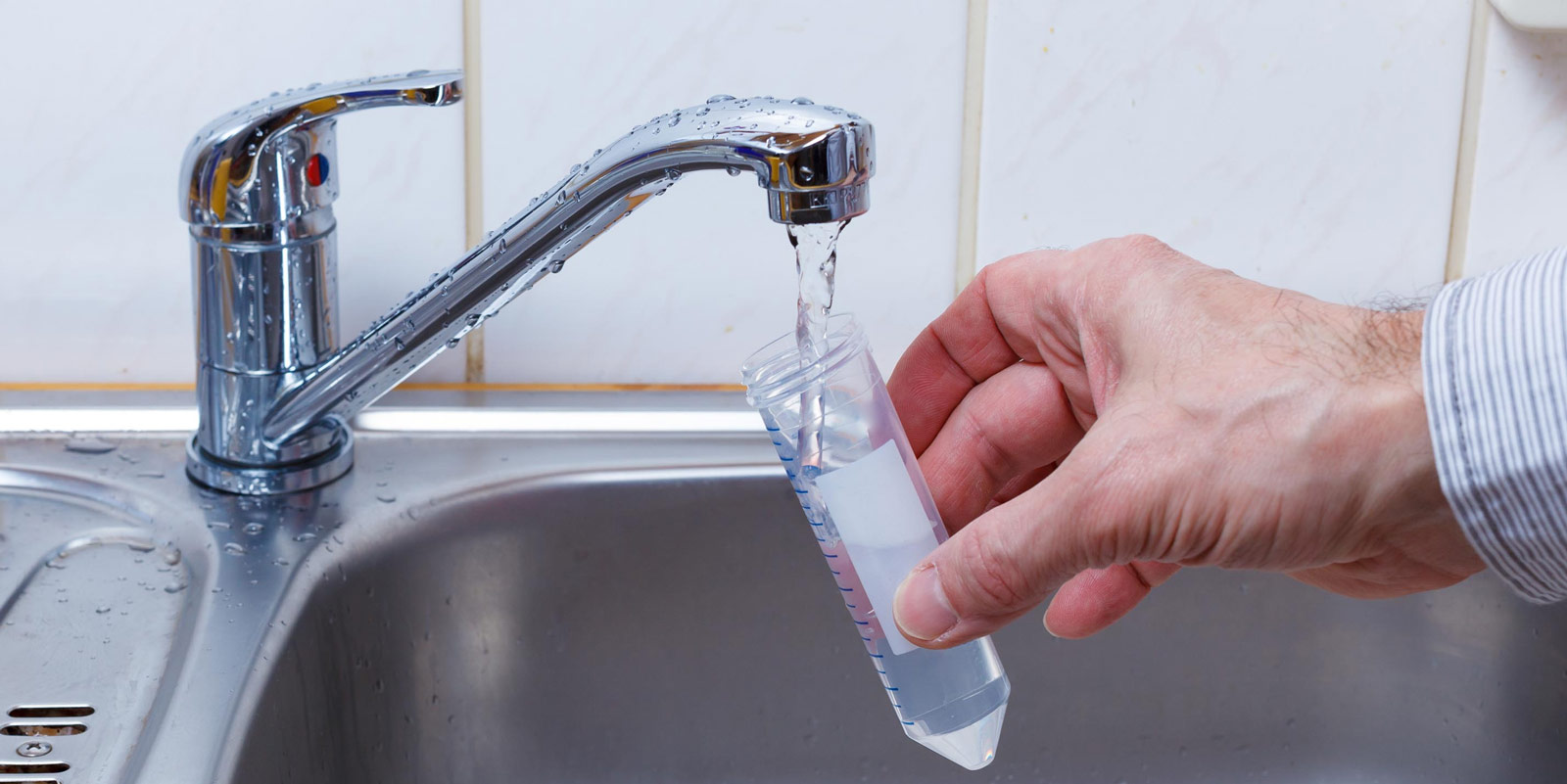 5 Reasons to Test your Tap Water - NoVA Environmental Solutions
If your water tastes like a hospital janitor’s closet, get a lab test (about $50–$100). You mail a sample to a certified lab. They send back a report that reads like a science villain’s shopping list. It’s thrilling.
But let’s be real: Usually, your tap water is totally fine. The EPA regulates public water. Your biggest risk is crusty pipes in an old house. Or that weird gurgling sound from your sink.
Spoiler Alert: You’re Probably Just Drinking City Soup
Here’s the kicker: 90% of tap water contains trace amounts of pharmaceuticals. Yes, tiny bits of antidepressants, caffeine, and antibiotics. No, it won’t mess you up. It’s just a weird, modern fact to drop at parties.
And don’t even start on microplastics. They’re everywhere. A single glass of tap water can have hundreds of microscopic plastic fibers. Scientists say it’s probably safe. But also—gross? Or hilarious? You decide.
The bottom line? Testing your tap water is like checking your own pulse. It’s a little weird, very revealing, and totally worth it for the party stories. You’ll either feel smart, scared, or oddly proud of your liquid roommate.
The One-Line Takeaway
Test it. Sniff it. Laugh at it. Then buy a filter if you’re a control freak. Or just enjoy your magical, mineral-flavored, slightly-medicated city water. Cheers! 🚰
