How To Clean Water Spots

Let’s be real for a second: water spots are the uninvited guests of the sparkling-clean world. You just spent twenty minutes polishing your car’s hood, or you cleaned every wi...
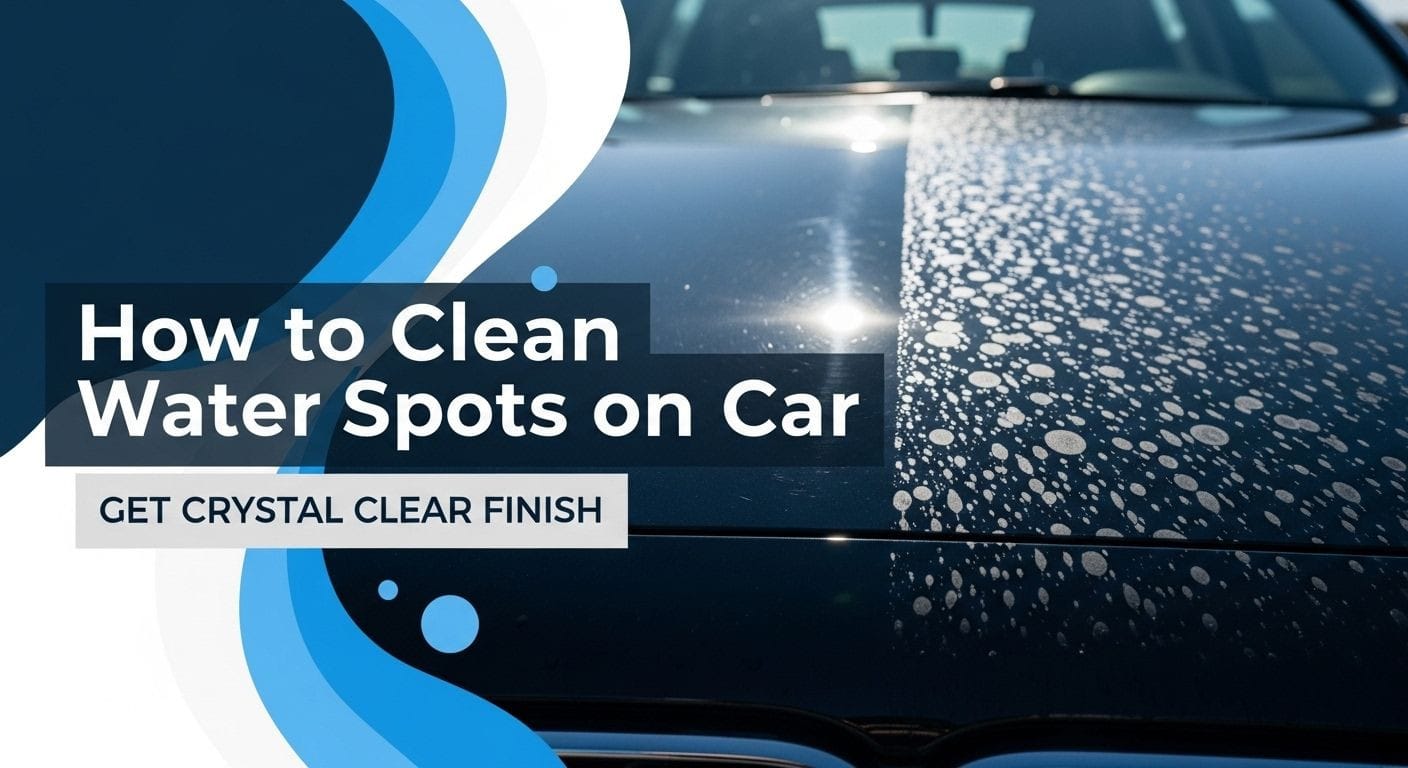
Let’s be real for a second: water spots are the uninvited guests of the sparkling-clean world. You just spent twenty minutes polishing your car’s hood, or you cleaned every window in the house, and then—bam!—white, chalky little ghosts appear. It’s like your hard work is getting pranked by a mischievous cloud.
But here’s the secret nobody tells you: water spots are actually a fun puzzle to solve. They aren’t permanent stains—they’re just minerals (calcium and magnesium) throwing a tiny party on your surface. And you, my friend, are the party crasher. With a few simple tricks, you can turn that frustrating chore into a quick, satisfying win.
Step One: Know Your Enemy
Water spots come in two flavors: the fresh kind and the baked-on kind. Fresh spots are just water droplets that dried before you could wipe them away. They’re easy—think of them as shy party guests who leave if you just ask nicely.
Must Read
The baked-on spots are the ones that have been sitting in the sun for days. These are the stubborn ones, but they’re still no match for you. Why? Because water is just water, and you are a resourceful human being with a pantry and a sense of humor.
Your Secret Weapons (You Already Have Them)
Grab a bottle of plain white vinegar. It’s cheap, it’s non-toxic, and it’s basically the kryptonite for mineral deposits. Mix one part vinegar with three parts distilled water (tap water can leave new spots, so use the good stuff).
If you’re tackling something delicate—like a glass table or your smartphone screen—skip the vinegar and use a microfiber cloth with a drop of dish soap. Seriously, just a drop. The soap breaks the water’s surface tension, so the minerals can’t grip the surface.
 How to Clean Water Spots off Plant Leaves (DIY Recipes & Remedies)
The Towel Trick (Game Changer)
Here’s the life hack you’ll tell your friends about: use a clean, dry microfiber towel to buff the spot immediately after spraying. Don’t rub in circles—that smears the minerals. Instead, use a gentle, straight-line motion, as if you’re petting a very expensive cat.
For car windows or shower doors, a squeegee is your best friend. One smooth pull and the water never has a chance to dry into a spot. It’s almost magical. You’ll feel like a wizard of household maintenance.
When Life Gives You Hard Water…
If you live in a place where the water is harder than a math test (hello, Texas and the UK), invest in a water filter pitcher or a simple faucet attachment. It removes the minerals before they even touch your glasses, your faucets, or your car.
And if you’re dealing with a car that looks like a dalmatian? Dry it with a leaf blower. I’m not joking. Car detailers do it because it’s fast and it blasts water out of every tiny crevice. Your neighbors will think you’re a genius—or a menace. Either way, the spots are gone.
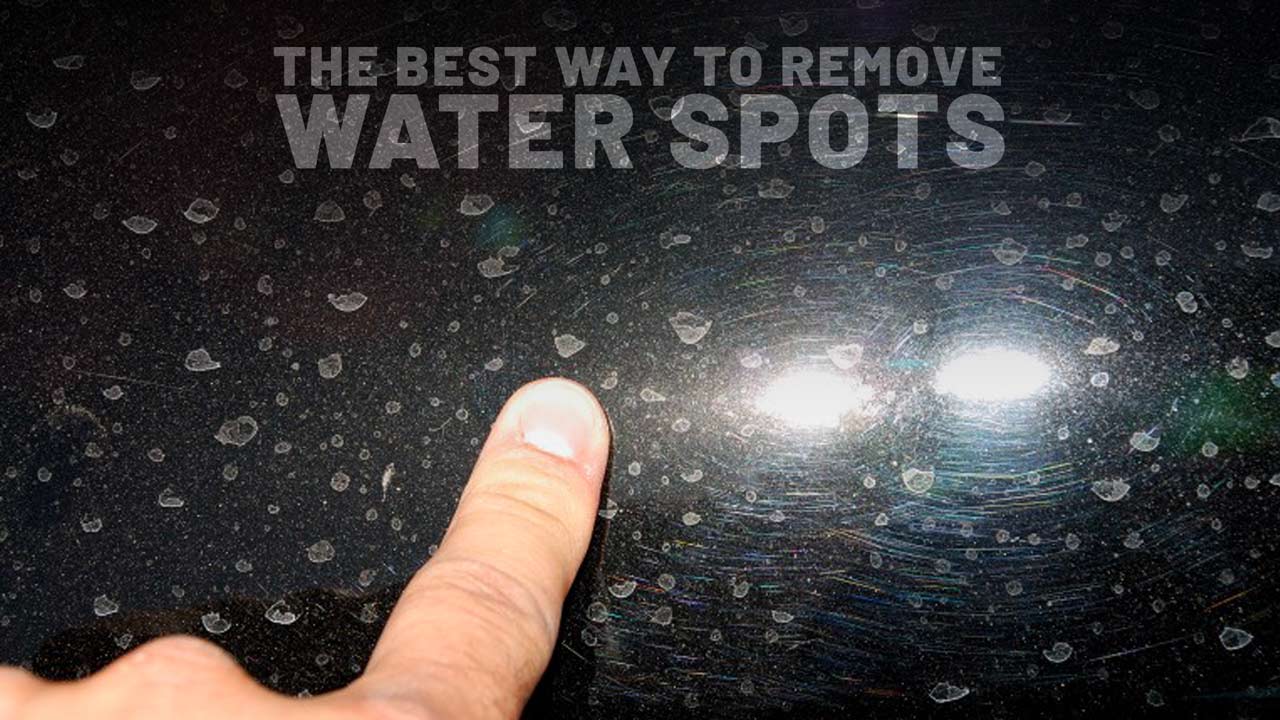 The Best Way to Remove Water Spots | Dr. Beasley's
The Fun Part: Why This Matters
Cleaning water spots isn’t just about having shiny things. It’s about reclaiming a little piece of order in a chaotic world. When you step back and see that perfect, streak-free window, or that gleaming faucet, you get a tiny shot of dopamine. That feeling is real, and you deserve it.
Think of it this way: every water spot you remove is a small victory over entropy. It’s you saying, “Hey, universe, I see your little imperfections, and I’m going to polish them into joy.” That’s not just cleaning—that’s a mindset.
A Final, Uplifting Note
So the next time you see a water spot, don’t sigh. Smile. You know exactly what to do. You’ve got vinegar, a microfiber cloth, and the secret knowledge that clear surfaces lead to clear minds. Let those tiny mineral ghosts be a reminder that even the most stubborn spots in life can be gently, patiently, and cheerfully wiped away.
Ready to take on the rest of your world? Grab that cloth. You’ve got this. And if you want to learn how to clean literally anything else—from a greasy stovetop to a muddy hiking boot—just keep that curiosity alive. The more you know, the more fun you can have making your space shine.
