How Does Ice Maker Work

Ever stood in front of your fridge, listening to that faint clunk or whoosh, and thought, how does that little box actually turn water into ice without me lifting a finger? It...
Ever stood in front of your fridge, listening to that faint clunk or whoosh, and thought, how does that little box actually turn water into ice without me lifting a finger? It’s one of those modern miracles we totally take for granted, right up there with the microwave. But once you peek behind the curtain, it’s actually a pretty clever and surprisingly simple process.
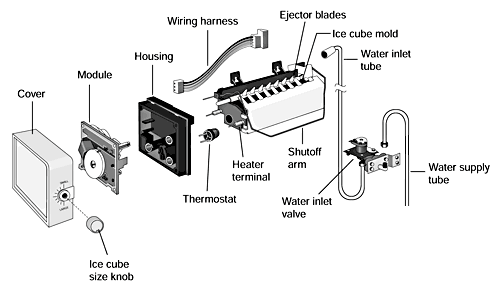
Let’s start with the basics. Your ice maker isn’t magic; it’s just a tiny, automated factory living inside your freezer. There’s no little guy with a hammer in there chipping away at a block of ice. Instead, it relies on a few key steps: filling a mold, freezing the water, and then releasing the cubes.
First up, the fill cycle. A signal tells a water valve to open, and water flows into a special ice mold that looks like a little metal tray with curved dividers. Most makers have a thermostat or a timer that ensures the mold gets exactly the right amount—not too much, or you’ll get one giant glacier slab. It’s like pouring the perfect amount of batter into a muffin tin.
Must Read
The Freezing Game Changer
Now, here’s where it gets fun. The ice maker sits in your freezer, which is already cold, but the maker has a little heater built into the mold. Wait, a heater to make ice? Crazy, right? The cooling process freezes the water from the sides and bottom first, while the center might stay liquid for a bit. The heater then gives a tiny burst of warmth to the mold, loosening the ice cubes just enough so they don’t get permanently stuck.
Once the cubes are solid—usually after about 90 minutes to two hours—the real show begins. A motor turns a plastic arm that sweeps across the mold, pushing the ice cubes out and into a storage bin. If you listen closely, you’ll hear that satisfying clunk as the cubes tumble out. It’s like a tiny robotic arm playing a game of ice hockey, but the puck lands in a bucket instead of a net.
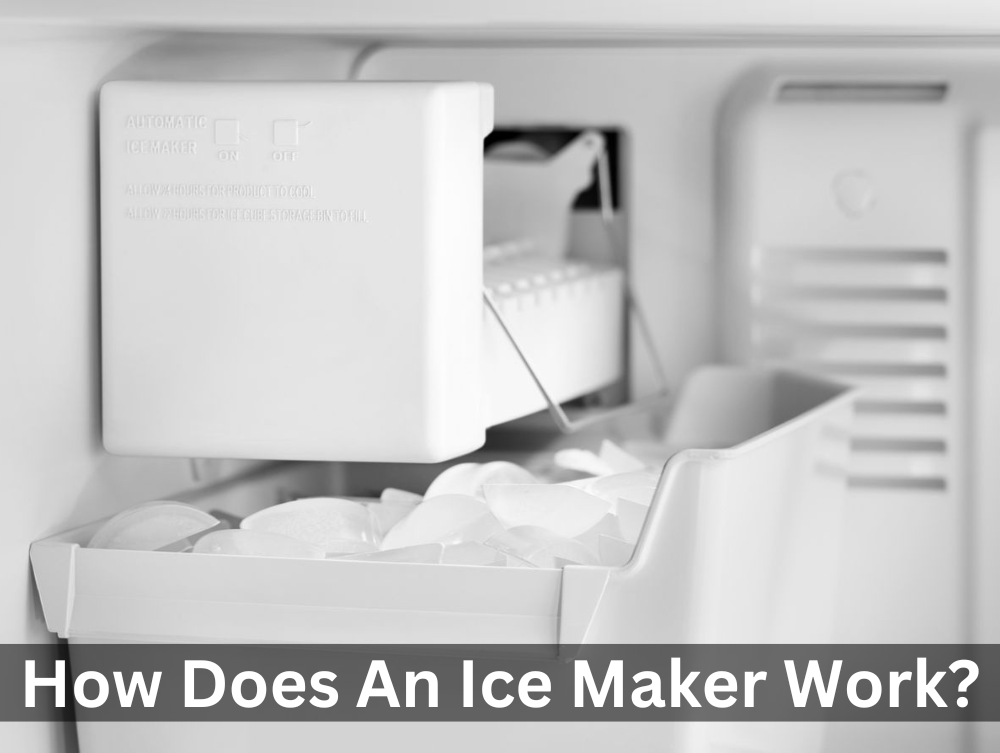 How A Commercial Ice Maker Works at Evie Sally blog
After the cubes are ejected, the arm returns to its starting position, and the mold gets refilled. The whole process loops automatically, so you wake up to a full bin of ice without even thinking about it. Why is that so satisfying? Because it feels like having a personal snow-cone machine on demand.
Why It’s Cooler Than You Think
There’s a kind of zen in the repetition. Think of it like a slow, rhythmic heartbeat for your kitchen—a steady pulse of freeze, heat, push, repeat. And the science behind it? It’s all about thermal conductivity. The metal mold is great at sucking heat away from the water, which freezes faster than if you used a plastic tray. So you get clear, cold cubes quicker than grandma’s old ice cube trays ever could.
Ever wondered why some ice makers produce crescent-shaped cubes instead of squares? That’s a design choice to reduce freezing time. Curved cubes have more surface area, so they freeze faster and are less likely to stick together. It’s like the difference between a solid block and a snowball—more edges mean more chill.
 Understanding How an Ice Maker Works: Schematic Diagram
And here’s a fun fact: some high-end ice makers even use a cold plate instead of a mold. Water flows over a super-chilled metal surface, freezing instantly into a thin layer, which a blade then scrapes off into fluffy, chewable ice. Ever had that nugget ice from a Sonic drink? Yep, that’s how it’s born—like a tiny ice factory that makes snow for your soda.
So next time you fill a glass and hear that whir followed by a clunk, smile. You’ve got a little automated buddy working tirelessly, turning plain tap water into the perfect little jewels. It’s not magic—it’s mechanical poetry happening at 20 degrees below zero. And honestly? That’s way more fun than just saying, “It makes ice.”
Now, go grab a cold drink and appreciate the clunk. You’ve earned it.
