How To Clean Well Water

So there I was, last spring, filling up a glass from my tap. The water looked clear, but it smelled like a damp basement had a fight with a jar of pennies. I took a tiny sip a...

So there I was, last spring, filling up a glass from my tap. The water looked clear, but it smelled like a damp basement had a fight with a jar of pennies. I took a tiny sip and immediately regretted every life choice that led me to that moment. Blergh. That, my friend, is the moment you realize well water isn't just "free water"—it’s a wild card.
If you’re reading this, you probably know the feeling. That metallic twang? That sandy grit at the bottom of your morning coffee? Yeah, that’s your well telling you it needs a spa day. Cleaning your well water isn't rocket science, but it is a bit of detective work. Let’s roll up our sleeves (and maybe grab a filter).
Step One: Know Your Enemy (Get a Test)
Before you dump anything down your pipes, you need to test your water. I’m not talking about a fancy lab—though that’s smart, too. I mean a simple at-home kit or a local county test. You need to know if you’re fighting bacteria, iron, sulfur (that rotten egg smell), or just hard water minerals.
Must Read
I skipped this step once. I “cleaned” my well by shocking it with chlorine, only to find out my problem was sediment, not bacteria. I basically threw a party for my pump and made it worse. Don’t be Past Me. Be smarter.
Side note: If your water smells like a swamp after a rainstorm, it’s usually sulfur bacteria. If it tastes like you licked a battery, it’s probably iron or manganese. The test tells all.
Shocking the Well (The Nuclear Option)
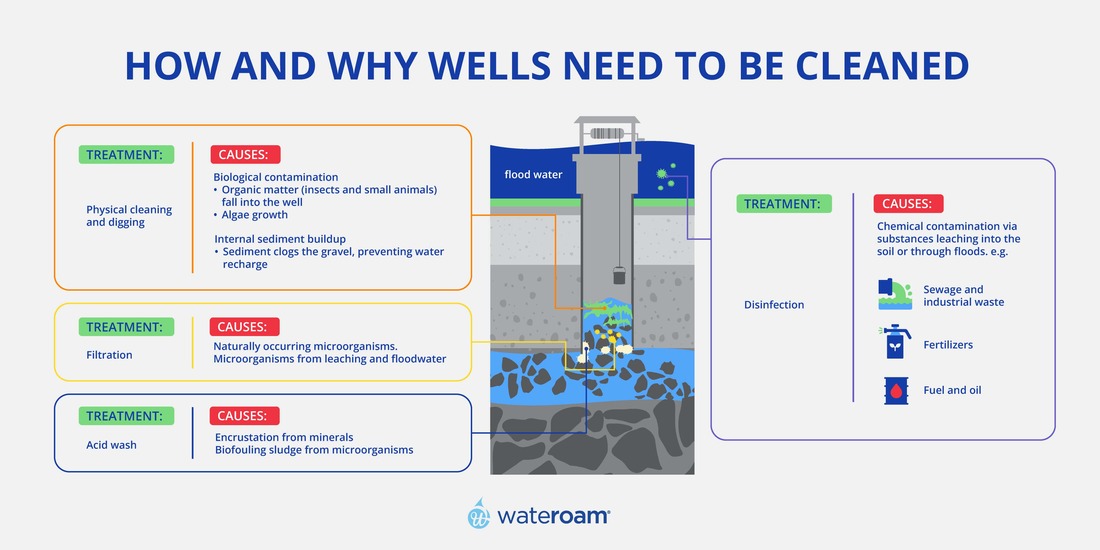
If bacteria is the culprit, you’ll need to shock chlorinate your well. This sounds dramatic, and honestly, it kind of is. You pour a bleach solution (use unscented, no-additives bleach) down your well casing. Then you run every faucet until you smell bleach, and let it sit for 12–24 hours.
Here’s the kicker: you will have to flush your entire system afterward. I’m talking running hoses into the yard for hours. My lawn smelled like a swimming pool for a week. Pro tip: warn your neighbors. They will think you’re running a covert laundromat.
Do this only if you have confirmed bacteria. Over-chlorinating can mess with your water softener or even damage your well pump seal. So read the label, measure carefully, and maybe hug your well head before you start.
 WATEROAM - Well Water Cleaning and Filtration Guide: Southeast Asia
The Sediment Struggle (Get a Filter)
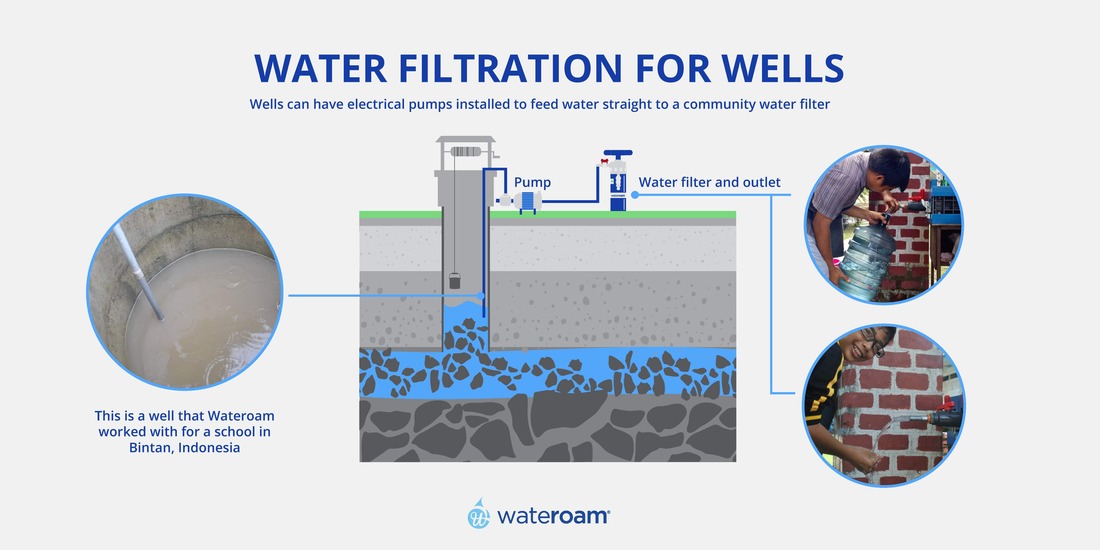
Can’t see the bottom of your glass? That gritty stuff is sediment—sand, silt, or clay. No chemical cleaner fixes that. You need a mechanical filter. A spin-down filter or a sediment cartridge (like a 5-micron or 50-micron one) can save your pipes and your sanity.
I installed a big blue housing filter near my pressure tank. It costs like $40 and a few minutes of wrenching. Now, when I replace the cartridge every few months, I see all the junk it caught. It’s disgusting and oddly satisfying. Like watching a pimple pop, but for your plumbing.
Heads up: If your well runs dry or gets muddy after a rain, consider a well screen or gravel pack update. That’s more of a driller’s job, but it stops the dirt before it even enters the house. Worth a phone call.
Iron and Manganese (The Rust Monster)
Orange-brown stains in your sink? That’s iron. Black stains? Manganese. You can’t “clean” this out of the water with a simple bleach shock. You need a water softener or an iron filter. Seriously, just buy one.
I tried the “DIY vinegar flush” method. I soaked my faucets in vinegar for three hours. The stains laughed at me. They were like, “Cute, but we’re minerals.” A dedicated iron filter uses air or potassium permanganate to oxidize the metals, so they can be filtered out. It’s pricey (hundreds of dollars), but so is replacing all your white shirts.
 WATEROAM - Well Water Cleaning and Filtration Guide: Southeast Asia
Don’t Forget the Well Itself
Your well head (that metal pipe sticking out of the ground) needs love, too. If the cap is cracked or sitting in a puddle, surface water—and all the bugs and bacteria in it—can directly enter your well. I found a mouse nest under my cap once. Once. Now I check it every month.
Make sure the ground slopes away from the well. If rainwater pools around it, you’re basically serving bacteria a free entrance ticket. Also, seal any gaps with well-grade silicone. It’s cheap insurance.
The Final Rinse
After you’ve treated the water, run your taps again. Taste it. Smell it. If it still tastes weird, wait a day. Sometimes the chemical reaction needs to settle. If it still tastes weird after a week, you might need a whole-house carbon filter for that residual chlorine or organic compounds.
Look, cleaning well water is a journey. You’ll hit snags. You’ll curse your well driller. You’ll probably spend a Saturday afternoon staring at a pressure gauge, wondering if your life is a metaphor for plumbing. But when you take that first clean, crisp sip? Pure victory. And you’ll never take a glass of water for granted again.
Go forth, test your water, and may your pipes stay clear. If you get stuck, just remember: there’s a whole community of us weird well owners out here, trading tips and laughing about our rusty laundry. You’re not alone. Unless your water is still gross. Then, uh, call a pro.
