How To Test Ph Of Water

You’ve probably seen bottled water boasting about its pristine pH. But does it really matter for the glass you drink from every day? Testing the pH of your water isn’t just fo...
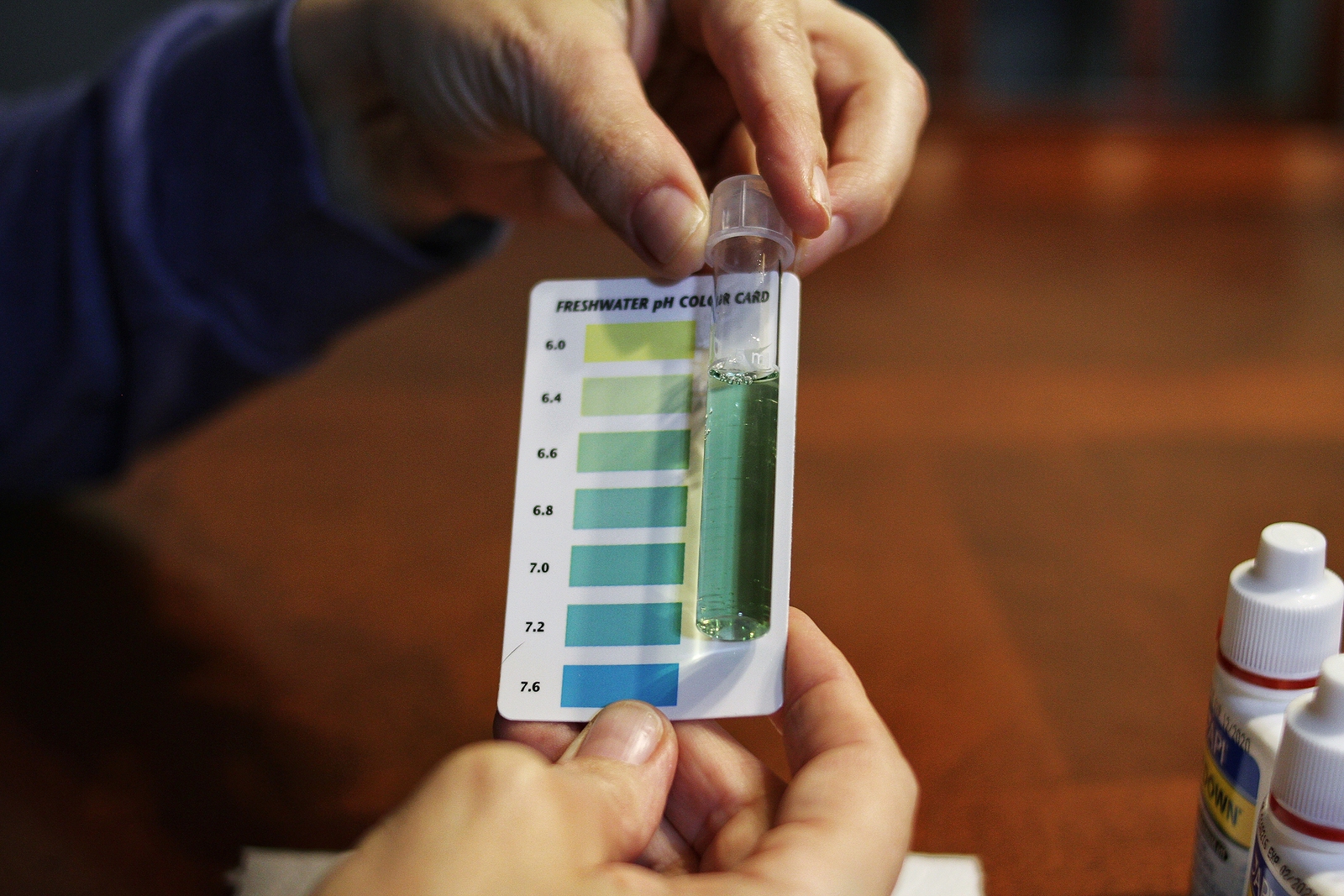
You’ve probably seen bottled water boasting about its pristine pH. But does it really matter for the glass you drink from every day? Testing the pH of your water isn’t just for lab coats or wellness warriors; it’s a simple, surprisingly satisfying way to tune into what you’re putting into your body.
Before you start playing chemist, let’s get one thing straight: pH measures how acidic or alkaline a substance is on a scale from 0 to 14. Pure water sits right at a neutral 7, while anything below is acidic (think lemon juice) and above is alkaline (like baking soda). Your tap water usually falls between 6.5 and 8.5, but variations can affect taste, pipe health, and even your morning coffee’s vibe.
The Gadgets & Gizmos: Your Testing Toolkit
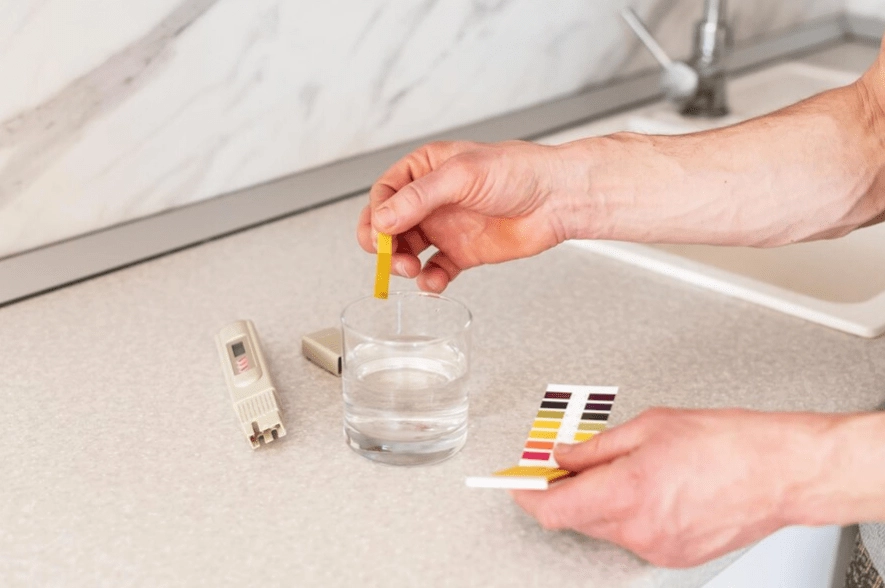
You don’t need a sterile laboratory or a white coat to get started. The most accessible method is the pH test strip—those little paper wands that change color faster than a chameleon at a disco. You can snag a pack at any pharmacy or online for the price of a fancy latte.
Must Read
For the tech-savvy soul who loves data, a digital pH meter is your new best friend. It’s a sleek little pen you dip into water, and it spits out a precise number. Just remember to calibrate it with the included buffer solutions, or you’ll get readings as reliable as a horoscope during a full moon.
Then there’s the old-school method: red cabbage juice. Yes, that purple vegetable you ignore in the crisper drawer can turn your water a telling shade of pink or green. Boil some leaves, strain the liquid, and watch your water change color like a private magic show.
How to Do It Right (No Lab Coat Required)
Start with a clean glass—rinsed with distilled or filtered water to avoid any soapy drama. Fill it with your tap water and let it sit for a minute; temperature matters, so aim for room temperature unless you’re testing your ice-cold spa water.
If using strips, dip one for the time specified on the package (usually a quick two to five seconds). Pull it out, shake off the excess, and wait for the color to develop. Compare the result to the chart on the box under good lighting—natural daylight is ideal, not that dim corner near your monsteras.
For a digital meter, remove the cap, rinse the probe with distilled water, then dip it into your sample until the reading stabilizes. Give it about thirty seconds; it’s not a microwave, it’s a meditation timer. Write down the number, rinse the probe again, and store it properly so it doesn’t throw a tantrum next time.
 What is the PH Value of Water: All You Need to Know About It
Fun Facts to Impress Your Friends
Did you know that aquariums rely on pH testing more than your local barista relies on espresso? A shift of just 0.2 can stress out your goldfish, turning your tank from a paradise into a drama zone. Meanwhile, professional coffee brewers obsess over water pH because acidic water can ruin the perfect extraction—so if your morning brew tastes flat, blame the H2O, not the beans.
Historically, pH testing was a big deal for visual artists like Leonardo da Vinci, who used litmus paper (the ancestor of your test strips) to check the acidity of pigments. You’re essentially following in the footsteps of Renaissance geniuses, one drop at a time. Also, rainwater is naturally slightly acidic (around 5.6) because it mixes with carbon dioxide in the air—so if you’re collecting it for your plants, test it first to avoid shocking your ferns.
What Your Results Actually Mean
If your water tests between 6.5 and 8.5, you’re in the safe zone set by the EPA. Anything below 6.5 might taste metallic and could leach copper or lead from old pipes—an issue for vintage homes with charming but aging plumbing. Above 8.5 often makes water taste bitter or slippery, like it’s trying to be mineral water but forgot the class.
Don’t panic if your reading is a little off. You can tweak it with a simple filter pitcher (activated carbon can neutralize some imbalances) or by adding a pinch of baking soda if you’re aiming for slightly more alkaline. Just avoid falling into the “alkaline water cures everything” hype—your body’s pH is tightly regulated by your kidneys, not your water bottle.
A Cultural Nod to Water Wisdom
In Japan, there’s a concept called mizumoto, which essentially means “water origin” or the source of one’s calm. Testing your water feels like a small act of intentional awareness—you’re not just consuming; you’re checking in. Think of it as a wellness ritual that takes less time than scrolling Instagram.
 How To Test Ph Of Water , Top 3 Methods to Measure pH of Water – PNACAY
And in the world of wine, sommeliers test their water’s pH to ensure they’re not ruining a delicate Bordeaux. If it’s good enough for a $200 bottle of French vino, it’s probably good enough for your Monday morning hydration. Stay curious, stay hydrated.
Practical Tips for the Modern Test
Always test your water at the same time of day—morning tap water can differ from evening because of overnight sitting in pipes. Also, test before and after boiling, since boiling can concentrate minerals and shift pH slightly. Keep a small journal or a note on your phone; it’s oddly satisfying to see your data trend.
If you’re on a road trip, grab a few single-use strips to test the water at gas stations or Airbnbs. It turns a boring pit stop into a mini science experiment. And if you have kids, let them help—they’ll think you’re the coolest parent since Bill Nye.
One final pro tip: don’t overthink it. A single test is a snapshot, not a diagnosis. If you test once and get 6.8, you’re fine. If you test obsessively ten times a day, you might need to chill—and drink your water.
Reflection: The beauty of testing water pH is that it reminds us how even the simplest, most essential thing has layers. A glass of water isn’t just H2O; it’s a story of pipes, soil, weather, and chemistry. Taking a moment to test it is like saying, “I see you, water. I care enough to understand you.” That tiny act of attention might just make your next sip feel a little more personal. And honestly, in a world of chaos, a 30-second check-in with your tap water is a lovely, grounding pause.
