Why Is Our Water Brown

So, you turn on the tap, ready for a nice, crisp glass of water. And out comes… well, tea. Not the good, iced sweet tea kind, either. We’re talking about water that looks like...
So, you turn on the tap, ready for a nice, crisp glass of water. And out comes… well, tea. Not the good, iced sweet tea kind, either. We’re talking about water that looks like it’s been steeping for a week. Brown water. Why is this happening?
First, take a deep breath. Usually, it’s not dangerous. I know, it looks like swamp juice, but your pipes aren’t trying to poison you. They’re just… throwing a tantrum.
The Usual Suspect: Rust
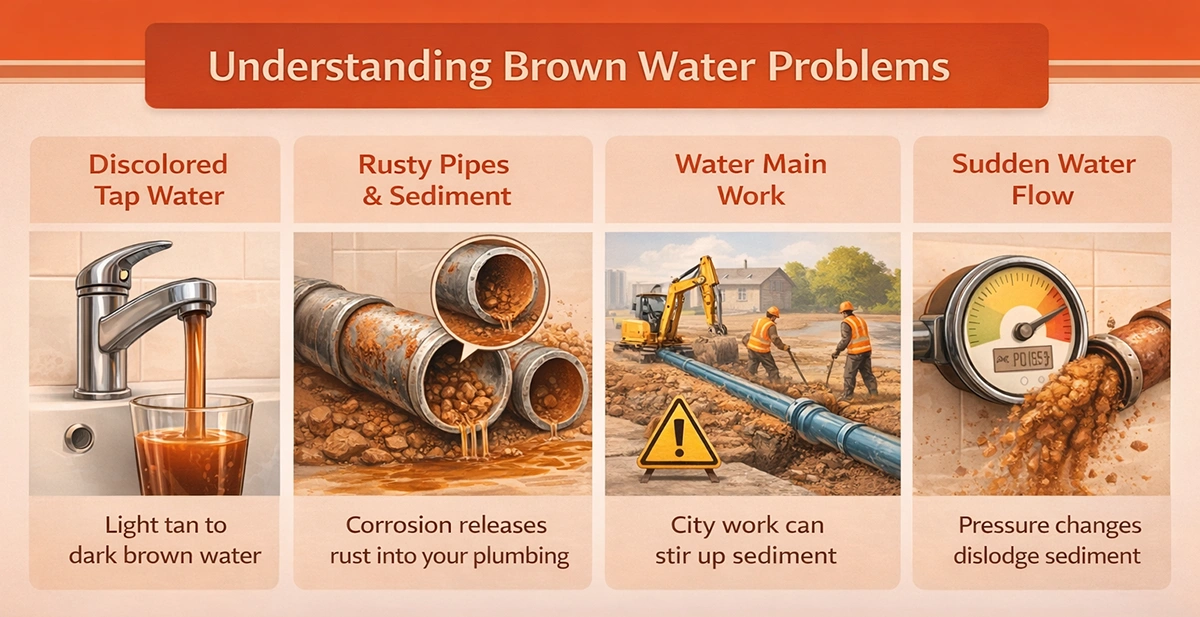
The most common culprit is iron and manganese. These little metal particles are naturally in our soil and old pipes. When they get stirred up—say, by a fire hydrant test or a water main break—they turn your water into a rusty smoothie.
Must Read
Think of it like shaking a snow globe, but with rust snowflakes. It looks awful, but it’s almost always harmless. Your laundry might get a bit dingy, though. Sorry about that.
Is it the City’s Fault or Mine?
That’s the million-dollar question. If you run only the cold water and it’s brown, the problem is likely in the city’s main pipes. It’s a system-wide shake-up. If only your hot water is brown? That’s your water heater having a mid-life crisis.
Hot water heaters rust from the inside out over time. That brown layer is sediment settling on the bottom. When you draw hot water, you’re basically a barista serving Rust-Infused Aqua. Try flushing your water heater—or call someone who knows how.
The “Brown is Just a Color” Exception
Let’s be honest: sometimes brown water is from organic matter. Leaves, peat, or algae can tint water like a bad tea bag. If you live near a reservoir or a lake, this is normal. Especially after heavy rain.
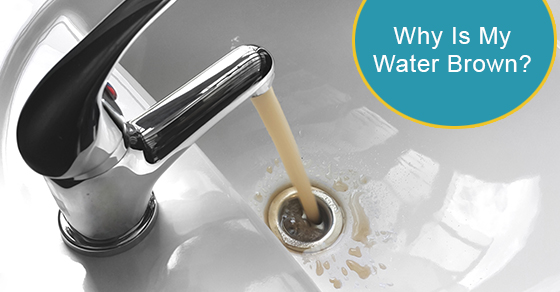 Why Is My Water Brown? | Drain King Plumbers
It’s still safe to drink—usually—but tastes a bit… earthy. Think of it as terroir, but for your tap water. Classy, right?
When Brown Means “Stop!”
Now, the scary part. If your water smells weird, or looks yellowish-green? That’s not rust. That’s algae or bacteria. And if it smells like rotten eggs? That’s hydrogen sulfide gas.
Also: if your neighbors don’t have brown water, but you do? That points to a problem inside your home. Like a corroded pipe or a failing water main on your property. That’s a plumber’s paycheck, not a city project.
What Should You Do Right Now?
First, don’t panic. Run your cold water for 10-15 minutes. If it clears up, it was just a “flush event” from the city. You’re golden. If it stays brown? Call your water utility.
Second, don’t do laundry. I know, your whites are screaming. Wait until the water runs clear. Otherwise, you’ll have beige socks. Not a good look.
 What Does It Mean If You Have Brown Water
Third, avoid drinking it if you’re pregnant or have a compromised immune system. Brown water is better than no water, but still, why risk it? Grab a bottle from the store.
The Unofficial Truth
Sometimes, brown water is just a cosmetic issue. It’s ugly. It tastes a little metallic. But your ancestors probably drank from a muddy river. You’ll survive.
That said, your water shouldn’t look like a creek after a thunderstorm. If it’s happening weekly? That’s a pattern. Time to nag your landlord or local water authority. Be the squeaky wheel.
A Little Light Exaggeration
Imagine you paid for a premium spa day, and they fill the tub with iced tea. That’s brown water. It’s not the end of the world, but it’s not luxury. You deserve clear water. Don’t settle for tea when you paid for champagne.
So, yes, your water is brown. But now you know why: rust, sediment, or Mother Nature being a messy roommate. Go flush the pipes. And maybe buy a filter. You’ll feel better.
