What Is Water Ph Level

So, you’ve probably seen the fancy bottles at the grocery store. They boast about their pH level like it’s a secret superpower. But honestly, if someone asked you what pH actu...
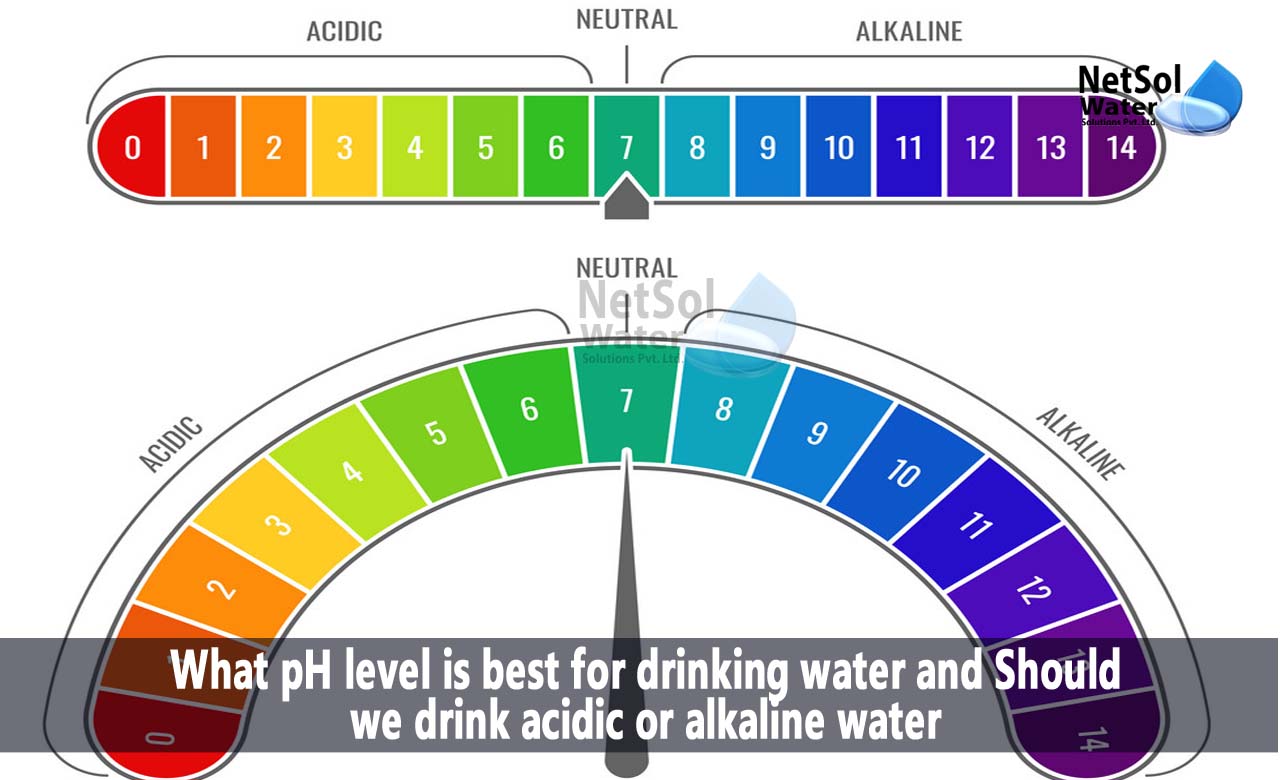
So, you’ve probably seen the fancy bottles at the grocery store. They boast about their pH level like it’s a secret superpower. But honestly, if someone asked you what pH actually is, you might just shrug and grab a soda instead.
Let’s fix that, nice and easy. Water pH is just a scale that tells you how acidic or basic something is. Think of it as a thermometer for your drink, but instead of hot or cold, it measures sourness or smoothness.
The scale runs from 0 to 14, with 7 being the sweet spot: neutral. Pure water sits right at 7. Anything below 7 is acidic (like lemon juice), and anything above is basic or alkaline (like baking soda mixed in water).
Must Read
Remember that time you took a sip of orange juice right after brushing your teeth? That horrible, sharp, fizzy feeling? That’s your tongue screaming, "Whoa, pH is way too low!" Acidity can be a real party pooper for your taste buds.
Why Should You Care About Your Tap Water?
You probably drink water every single day. It’s the one thing you put in your body more than anything else. So knowing its pH is like knowing whether your coffee is burnt—it changes the whole experience.
Most tap water sits between 6.5 and 8.5. That’s a pretty safe range, and your body is a master at balancing things out. But if your water is too acidic (below 6), it might taste metallic or leave a weird stain on your sink.
On the flip side, water that’s too basic (above 9) can taste bitter, like chalk. Ever had a glass of water that just felt… flat? That could be a high pH messing with the flavor.
The "Lemon Squeeze" Trick
Here’s a little daily-life story that always makes people smile. My friend Sarah is super health-conscious. She bought a fancy alkaline water pitcher because she read it would “balance her body.” She spent a month drinking it, feeling virtuous.
One day, she squeezed a lemon into her glass and said, “Oh no, I ruined the pH!” I had to break it to her gently: Lemons are super acidic (around pH 2). That little squeeze probably dropped her alkaline drink back to neutral or lower. She laughed, then drank it anyway.
 What is pH of Water?- Everything You Should Know About Water
The moral? Your stomach is a powerful acid factory (pH 1.5 to 3.5). It doesn’t care if your water is a 7 or an 8. It’s going to blast it with acid anyway. So don’t stress about chasing a perfect number.
What About All Those Trendy Products?
You’ll see ads that say “Alkaline water will change your life!” They claim it boosts energy, slows aging, and cures everything. It sounds amazing, but the science is still a bit fuzzy.
Your body has a built-in pH regulator called your kidneys. They work 24/7 to keep your blood at a very stable pH around 7.35 to 7.45. That’s a super tight range. Drinking alkaline water won’t change your blood pH any more than eating a cucumber will turn you green.
So, is alkaline water bad? No, not at all. It’s perfectly safe to drink. It might even taste smoother to some people. The key is to not treat it like a miracle cure. It’s just water with a slightly higher number on the scale.
A Quick Taste Test You Can Try
Want to be a pH detective at home? Grab a red cabbage (yes, really). Chop it up, boil it, and save the purple water. That’s your natural pH test strip.
Pour a little of the cabbage juice into a glass of tap water. If it stays purple, you’re near neutral (pH 7). If it turns pink, your water is acidic. If it turns green or blue, it’s basic. It’s like a science experiment in your kitchen, and it honestly makes you feel like a wizard.
 What Is Alkaline Antioxidant Water
The best part? You can test your shampoo, your rain water, or even your pool water with the same juice. It’s a party trick that actually teaches you something.
The Bottom Line (Keep It Simple)
Water pH level is a fun fact, not a life rule. It’s the difference between a crisp, refreshing glass and one that makes you wrinkle your nose. But your body is a rockstar at handling whatever you throw at it.
Focus more on drinking enough water rather than the exact number. A lot of people walk around dehydrated because they’re waiting to buy the “perfect” bottle. Just drink the tap stuff—it’s usually great.
If you notice your water tastes funny or leaves spots, check your local water report. It might have a pH issue, or it could just be hard water (which is about minerals, not pH). Hard water is fine, by the way, just annoying for your dishes.
So next time you see a pH label on a bottle, you can smile and think, “I know what that means, and I’m not worried.” You can buy the fancy water or stick with the free stuff. Either way, you’re hydrated, you’re smart, and you’ve got a cool cabbage trick up your sleeve.
Drink up, friend. Your body likes water, no matter what number is on the sticker. And really, isn’t that the most refreshing thought of all?
