How To Avoid Dry Scalp

Last winter, I looked in the mirror and thought I’d started shedding like a golden retriever. Little white flakes were scattered across my shoulders, and my scalp felt tighter...
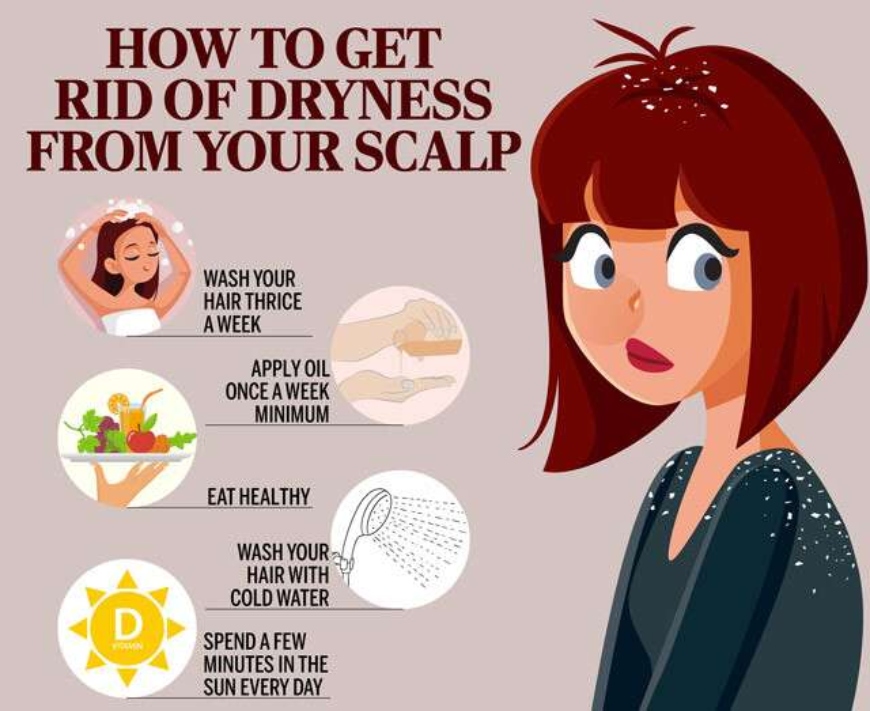
Last winter, I looked in the mirror and thought I’d started shedding like a golden retriever. Little white flakes were scattered across my shoulders, and my scalp felt tighter than a pair of bargain-store jeans after Thanksgiving dinner. I panicked, Googled “scalp snowstorm,” and ended up in a rabbit hole of dry-scalp horror stories.
But here’s the thing—dry scalp isn’t a permanent curse. It’s usually just your skin throwing a little tantrum because it’s bored with your routine. And the fix? It’s way simpler than you’d think.
First, let’s figure out if it’s actually dry scalp or dandruff
Dry scalp feels tight, itchy, and the flakes are small and white—like post-it notes for your skin. Dandruff, on the other hand, is greasy, yellow-ish, and clings to your roots like a clingy ex. (Yeah, I went there.)
Must Read
If you’re not sure, scratch gently near your hairline. If flakes fall off like dust, it’s likely dry scalp. If they stick and look oily, that’s dandruff—a whole different party.
The water temperature trap (and why you’re probably guilty)
I know, I know—hot showers feel like a hug from a cloud. But hot water strips your scalp of its natural oils faster than a bad breakup takes your favorite hoodie. Use lukewarm water when washing your hair. Your scalp will thank you by not shattering into a million pieces.
And yes, that means turning the handle down even in winter. Tough love, friend.
Shampoo: you’re probably overdoing it (or underdoing it)
Every day washing is often overkill for most hair types. It’s like washing a leather jacket with a pressure washer—just unnecessary aggression. Try cutting back to every two or three days, and focus shampoo on the scalp, not the ends.
But here’s the irony: skipping shampoo for too long can also dry you out, because dead skin and product build up. So find your sweet spot. Your scalp is like a Goldilocks—not too clean, not too dirty.
Conditioner: don’t toss it on your roots like salad dressing
Most people blob conditioner on their entire head, then wonder why their scalp feels greasy and tight. Conditioner should hit your mid-lengths and ends, not your scalp. The only exception is if you use a scalp-specific conditioner (yes, that’s a thing).
 Dandruff vs. Dry Scalp: Causes, Symptoms, and Best Treatments
If your scalp feels dry after conditioning, you’re probably drowning it in product. Rinse a little more thoroughly.
Heat styling: the silent scalpel
Blow-dryers, flat irons, and curling wands are like that friend who’s fun but slightly destructive. The heat literally evaporates moisture from your scalp’s surface. Use a heat protectant spray even if you’re just blow-drying—or better yet, let your hair air-dry sometimes.
I’m not saying ditch your tools forever. Just give your scalp a lazy day once a week. It’s earned it.
Moisture: not just for your face
You’d think moisturizing your scalp is a no-brainer, but most people skip it because it feels weird. A few drops of natural oil—like jojoba, argan, or coconut—can work miracles. Rub it between your palms, then pat it onto your scalp before shampooing, or as a pre-wash treatment.
Pro tip: don’t drench yourself like a pan of brownies. A little goes a long way. Too much and you’ll look like you wrestled a salad bar.
Your diet might be part of the problem (sorry, pizza lovers)
I’m not here to lecture you on kale. But a dry scalp often screams for omega-3 fatty acids and vitamin E. Foods like salmon, avocados, nuts, and seeds are basically a spa day for your skin—including your scalp.
And yes, hydration matters. If your pee is the color of apple juice, drink more water. Your scalp retains moisture from the inside out.
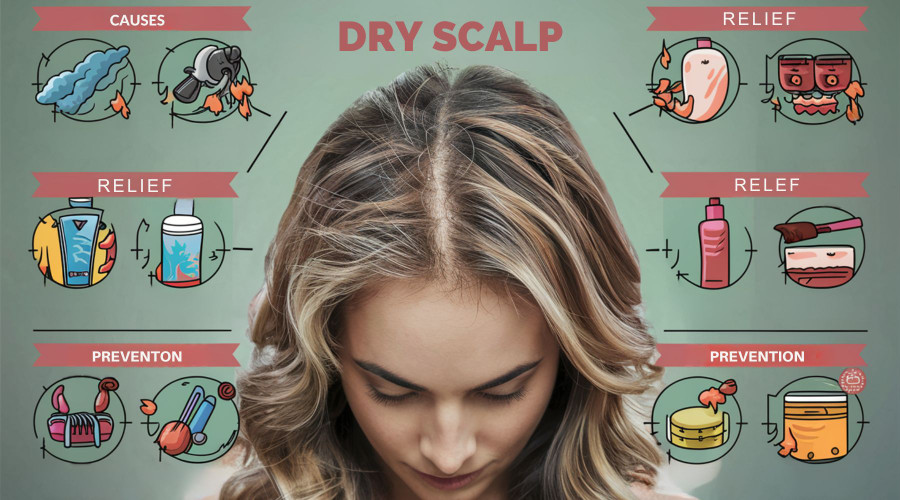 Dry Scalp Causes, Relief, and Prevention - MAYRAKI
The weirdly simple trick: brush your scalp gently
Using a soft-bristle brush before bed or before showers stimulates blood flow and helps distribute your natural oils. It’s like a tiny massage for your stress-prone skull. Don’t hack at it like you’re clearing brush—just gentle, circular moves.
Do this for a minute a day, and you might notice less flaking in a week. Magic? No. Simple biology with a side of self-care.
One more thing: check your laundry routine
Your pillowcase is probably a flake farm. Dead skin, product residue, and dust mites love warm pillows. Swap your pillowcase every three days—use a silk or satin one if you can, because cotton can absorb moisture from your scalp. It’s a cheap upgrade that makes a difference.
Also, if you use fabric softener on your sheets, stop. That stuff coats fibers with a waxy layer that can irritate sensitive skin. Just plain detergent, hot water, done.
When all else fails, see a pro
If you’ve tried everything and your scalp still looks like a snow globe, it might be time to visit a dermatologist. Sometimes dry scalp is a symptom of something else—like seborrheic dermatitis, psoriasis, or even an allergy to your shampoo’s fragrance. No shame in that game.
But for most of us, a few tweaks (cooler water, less shampoo, a dab of oil, and a silk pillowcase) are all we need. Your scalp is basically a picky houseguest. Treat it well, and it won’t leave white crumbs everywhere.
So go ahead, turn down that shower heat, give your roots some love, and stop treating your scalp like an afterthought. It’s not that dramatic—just a little dialing back and a lot of common sense. You’ve got this. (And if you don’t, there’s always a good dry shampoo and a turtleneck.)
