How To Test Your Water

So, you fill a glass from the tap. It looks clear, smells like nothing much. But what’s actually in there? You don’t need a lab coat to find out. Testing your water is easier,...
So, you fill a glass from the tap. It looks clear, smells like nothing much. But what’s actually in there? You don’t need a lab coat to find out. Testing your water is easier, and way more fun, than you might think.
Why bother? Because your water has a story.
Think of your tap water as a little time traveler. It took a journey through pipes, soil, maybe even ancient limestone, to reach you. Knowing its story makes you the coolest person at the dinner table.
Plus, what if your water is amazing? You might be missing out on bragging rights. Or, what if it’s a bit rusty? Better to know now than to wonder.
Must Read
The lazy person’s starting point: Your senses.
Before you buy a single test kit, just look and sniff. Is your water cloudy? That could be harmless air bubbles, or it could be sediment. Does it smell like a swimming pool? Chlorine is common and usually fine.
A metallic taste? That might be iron or copper from old pipes. Your body is actually a pretty good, if basic, water-testing machine. Trust your nose, but don't stop there.
Your city probably already did the hard work.
Here’s a neat trick: Google your local water quality report. In the US, every public water supplier must publish one every year. It’s a PDF full of numbers, but look for the "Contaminants" section.
You’ll see levels of lead, chlorine, and other stuff. It’s like reading the nutrition label for your water. Super boring? Maybe. Super useful? Absolutely.
The fun part: DIY test kits (like a science fair for adults).
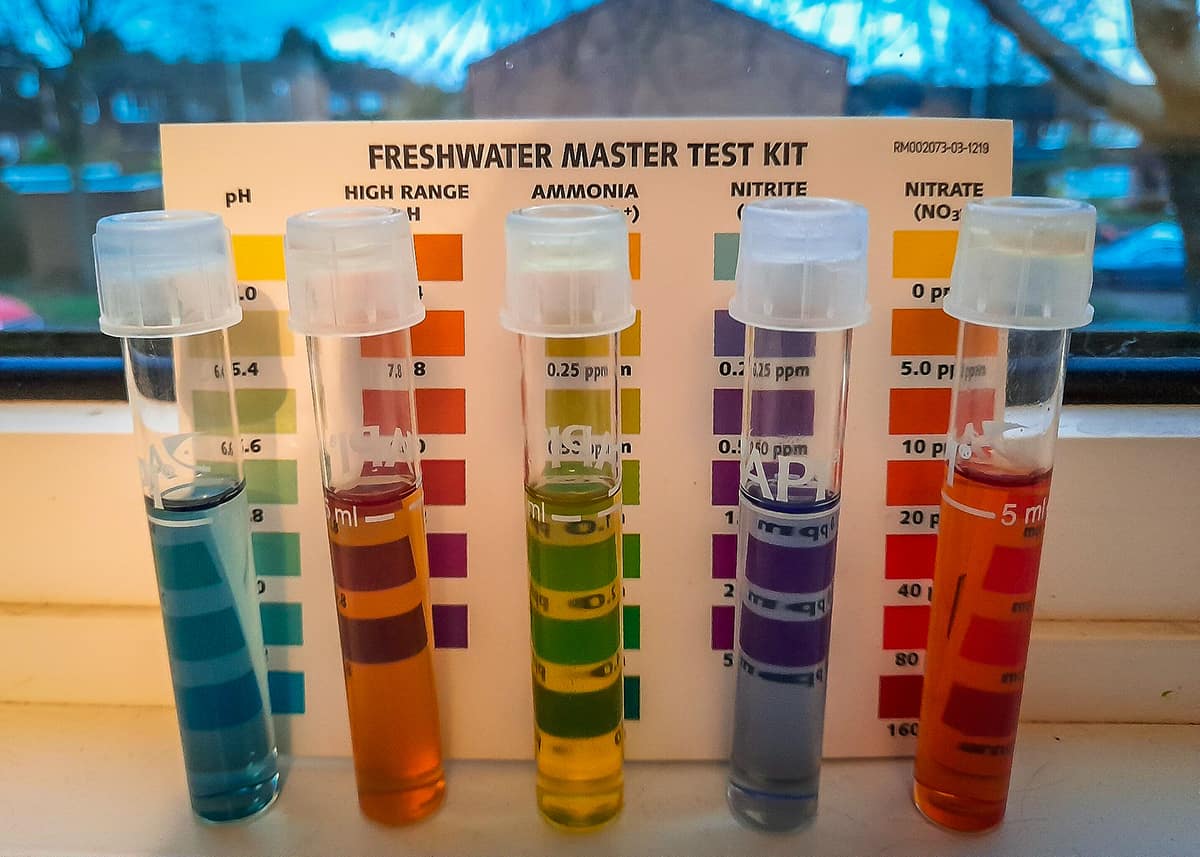
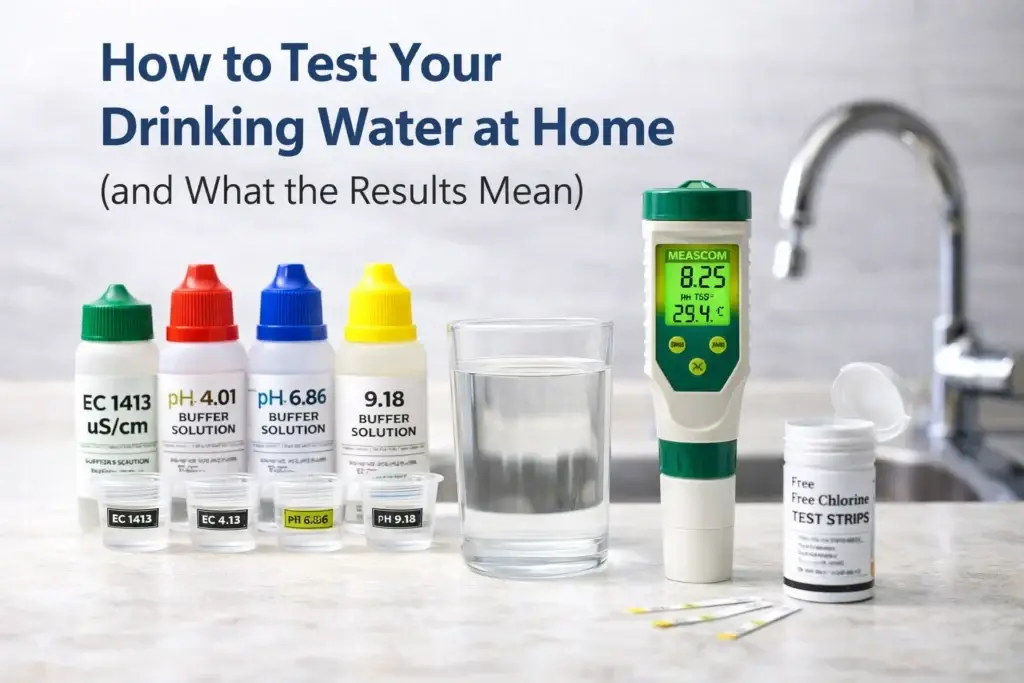
Go online or to a hardware store and grab a home water test kit. They cost about the price of a pizza. You get a few little bottles and a color chart. It’s basically a grown-up coloring book for science geeks.
 Water Quality Matters: How to Improve the Taste of Your Coffee - %sitename
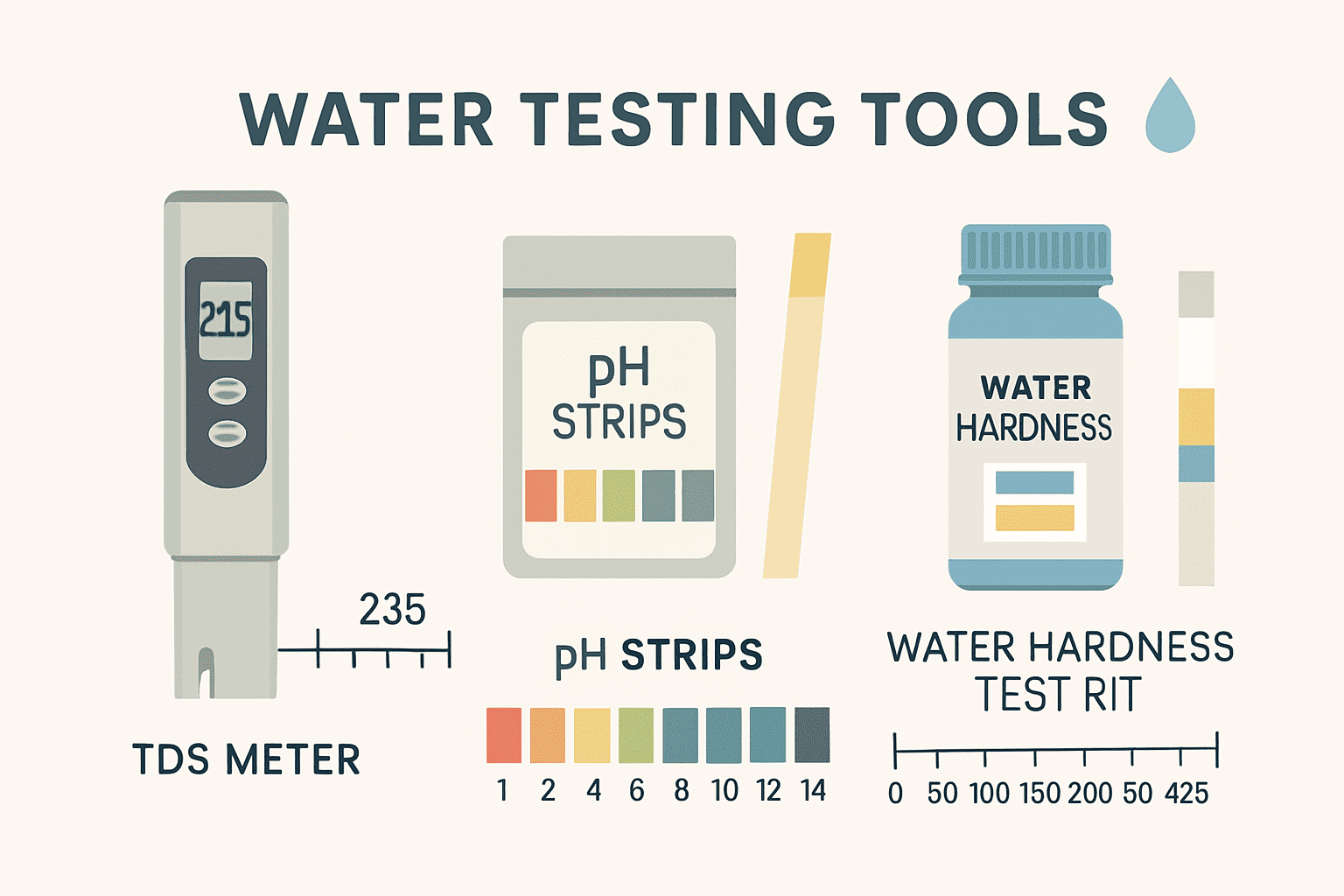
You dip a strip in a glass of water. It changes color. You match the color to the chart. Boom. You just tested for hardness, chlorine, pH, and nitrates. It’s satisfyingly simple.
What the colors actually tell you.
A high pH means your water is alkaline. That’s why some people buy fancy machines for it. A low pH might mean your pipes are slowly dissolving. Not great.
Hard water? That’s the stuff that leaves white spots on your dishes. It’s not dangerous, but it’s annoying. Soft water feels slicker and makes soap suds up like crazy. You’ll suddenly understand why your skin feels different in a hotel.
The serious test: Lead and bacteria.
If you live in an old house (like, pre-1986), lead pipes might be a party guest you didn't invite. Lead is invisible and tasteless. You can’t use a simple strip for that. You need a lab test.
Check out a certified lab online. They mail you a sterile bottle. You fill it up, send it back, and wait for the results. It’s like mailing a secret message to a chemist.
 How to Test Drinking Water at Home (and What the Results Mean) - MEASCOM
Same goes for bacteria. If your water smells weird or someone got sick, don’t mess around. Get a lab test. It costs a bit more, but your peace of mind is priceless.
The fridge filter myth you need to know.
That filter in your refrigerator? It’s great for taste. But it doesn’t test your water. It just catches big stuff like sand or chlorine. It won’t remove lead or bacteria.
Think of it as a courtesy waiter, not a security guard. It makes the water look nicer, but it doesn't do a background check.
So, what do you do with all this info?
Let’s say your test shows high lead. That’s a big deal. You might need a special filter under the sink. Or maybe your water is just slightly hard. That’s fine—just drink it and enjoy the extra calcium.
Knowledge is power, especially when it comes to what you put in your body. Testing your water isn't about being paranoid. It’s about being curious.
You wouldn't eat a mystery stew without asking what’s in it, right? Same goes for water. Grab a kit, read that report, and become the hero of your own hydration story. You’ll never look at a glass the same way again.
