What Is Pfos In Water

Let’s be honest: checking your water quality feels a lot like reading a menu in a language you don’t speak. You’re staring at letters like PFOS, and your brain immediately goe...
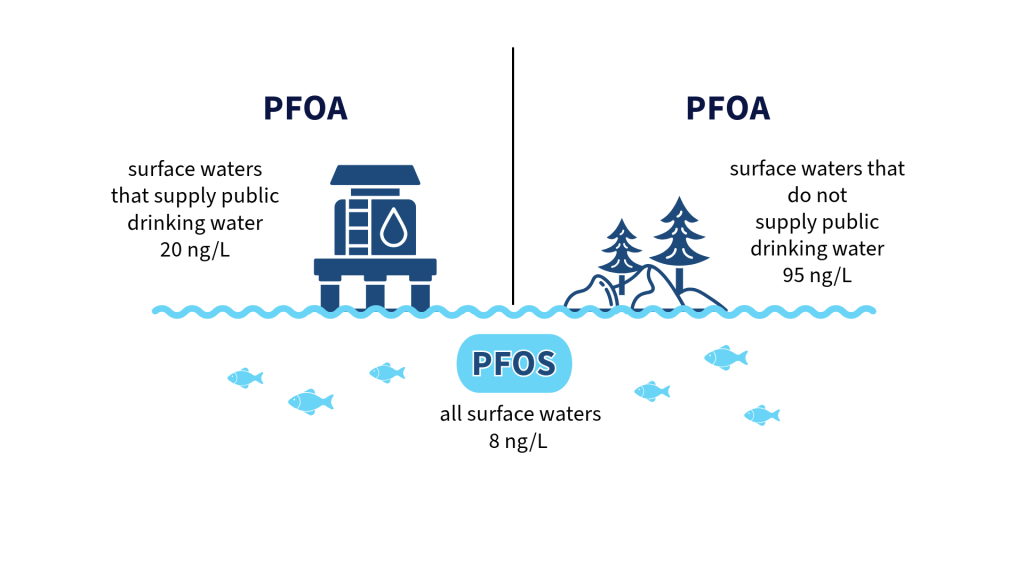
Let’s be honest: checking your water quality feels a lot like reading a menu in a language you don’t speak. You’re staring at letters like PFOS, and your brain immediately goes, “Is that a typo for ‘POS’?” Don’t worry—you’re not alone. I once spent ten minutes trying to figure out if my tap water was trying to sell me a timeshare.
So, what exactly is PFOS in water? In plain English, PFOS stands for perfluorooctane sulfonate. It’s a man-made chemical that’s part of a bigger family called PFAS, often nicknamed “forever chemicals.” Why “forever”? Because they don’t break down easily. They stick around longer than that one house guest who always forgets to leave.
Imagine you’re making pancakes, and you pour a bunch of non-stick spray into the pan. That’s sort of how PFOS works in your water—it’s a chemical that resists grease, water, and heat. It’s been used in things like non-stick pans, waterproof jackets, and even fast-food wrappers. You know, the stuff that makes your life easier but also makes you wonder what you’re actually eating.
Must Read
How did PFOS get into your water?
Think of PFOS as the teenage crumb of the chemical world—it gets everywhere. Factories that make these coatings often let them wash into rivers and groundwater. Firefighting foam used at airports and military bases also left a trail of PFOS behind. It’s like the chemical version of glitter: once it’s out, you can’t get rid of it.
And here’s the kicker: most water treatment plants aren’t designed to catch PFOS. They’re great at removing dirt and bacteria, but these tiny molecules slip right through. It’s like using a fishnet to catch sand. Meanwhile, you’re happily drinking a glass of water that’s been on a world tour through industrial history.
I found this out the hard way when I bought a fancy water filter pitcher. The sales guy said, “Removes 99% of contaminants!” Turns out, he wasn’t talking about PFOS. My tap water might as well have been marketed as “vintage 1960s industrial runoff.”
What does PFOS do to you?
The science is still unfolding, but experts have linked high levels of PFOS to some health issues. We’re talking about things like higher cholesterol, thyroid problems, and even certain cancers. It’s not like you’ll turn green after one glass, but long-term exposure isn’t great. It’s the water-world equivalent of a slow-motion prank that nobody laughs at.
Remember that time you ate a whole bag of chips and felt a little off? Think of PFOS as a similar stealthy troublemaker—it doesn’t announce itself. You won’t get a headache or a weird taste in your mouth. It just hangs out in your blood, waiting for the barbecue season of your life to catch up.
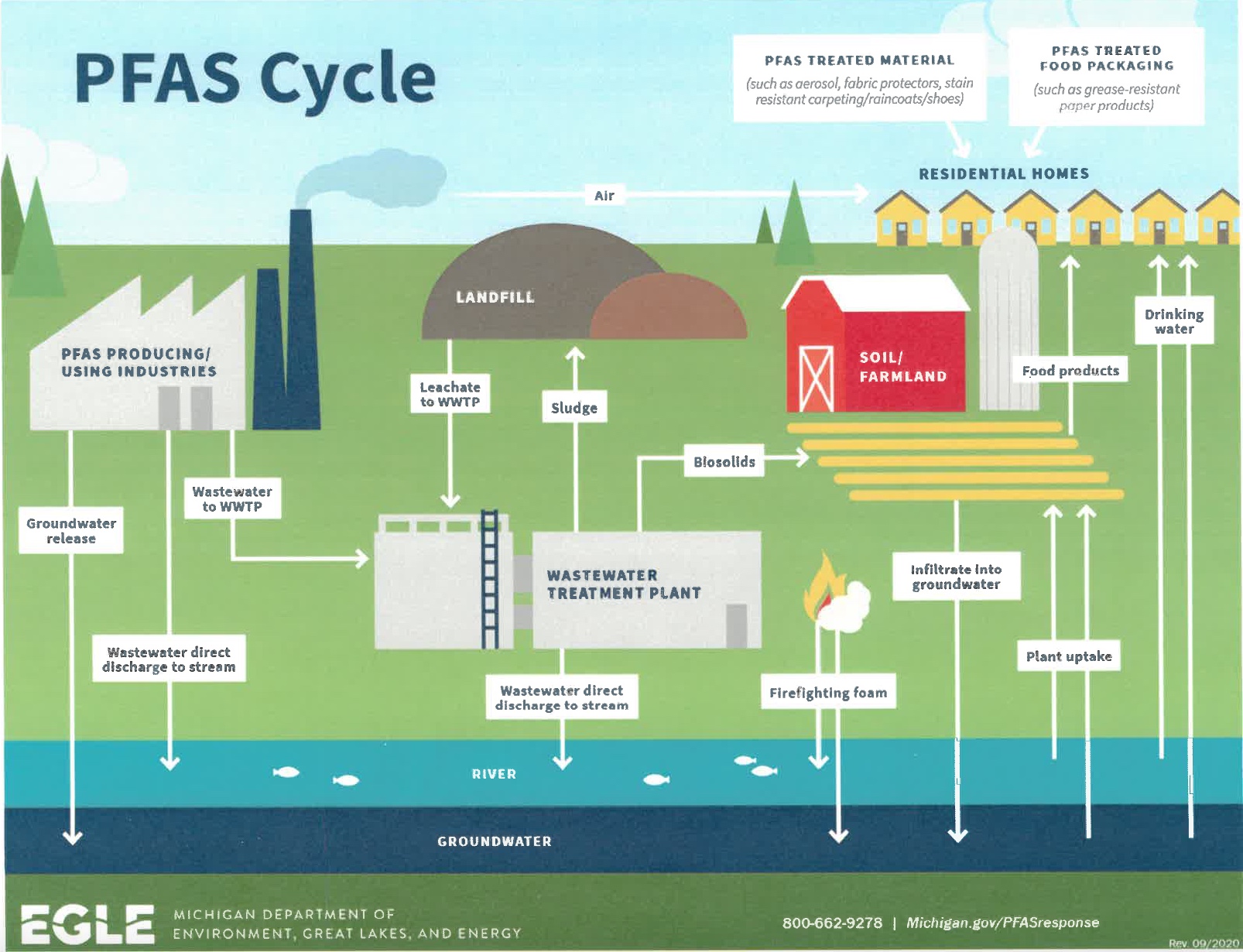 PFOS in Potable Water: Contamination & Health Risks
This is why the EPA (Environmental Protection Agency) has set strict health advisories for PFOS in drinking water. They say levels should be as close to zero as possible. That’s right—zero. Which is hilarious because my water filter’s instructions didn’t even mention PFOS. It was like asking a restaurant if their fries are gluten-free and they just hand you a napkin.
How to check if PFOS is in your water
You can’t just sniff your tap water and say, “Yep, smells like PFOS.” It’s odorless and colorless—like a ninja. So you have to get a laboratory test done, which sounds fancy but is easier than you think. You mail in a sample, and a few weeks later, you get a report that looks like a science fair project gone wrong.
If you’re lucky, your local water utility already posts test results online. They’re usually buried under a tab called “Water Quality Report” or “What We’ve Been Hiding.” I exaggerate, but not by much. When I checked mine, it was like reading the terms and conditions of a shady app—dense and frightening.
And here’s a real-world comparison: testing your water for PFOS is like checking your fridge for expired yogurt. You don’t want to do it, but you also don’t want to discover the horror of a sour surprise. Pro tip: if your water comes from a private well, you’re more likely to have PFOS problems because there’s no oversight. It’s the Wild West of tap water.
How to reduce PFOS in your water
First off, stop boiling your water. PFOS doesn’t evaporate—it concentrates when you boil it. You’d essentially be making PFOS tea, and nobody wants that. Instead, look for a filter with activated carbon or reverse osmosis. Those can catch the forever chemicals.
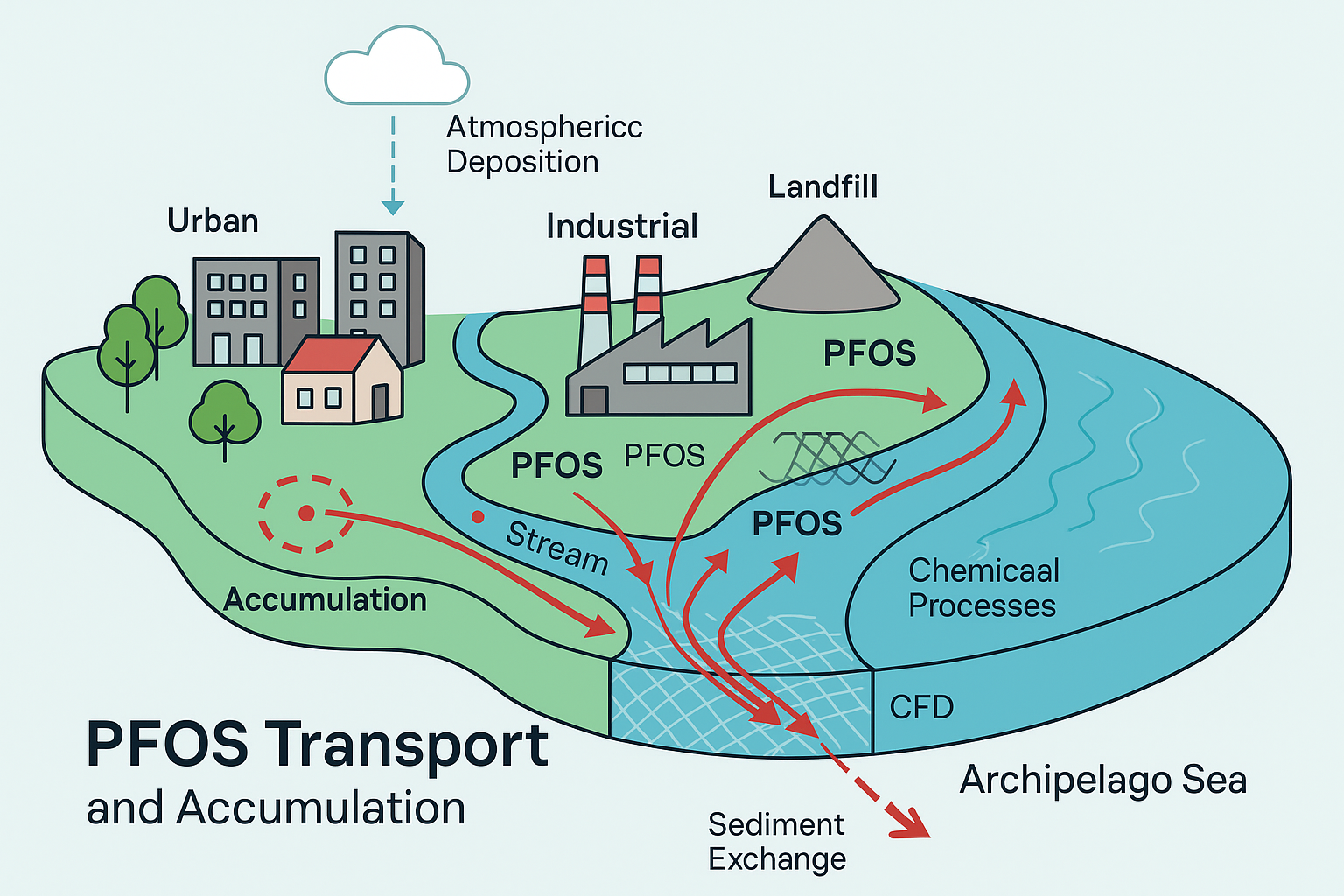 TRANSpFOS - Transport, Dispersion, accumulation and Fate of Legacy PFOS
I bought a reverse osmosis system after my test came back tasting like a lawsuit. It’s basically a mini science lab under my sink. It costs about as much as a nice pair of sneakers, but hey, my kidneys don’t have to be sneaker-heads. Plus, my water tastes like actual water now—rubber-free.
Another option: drink bottled water that’s labeled “purified” or “distilled.” Just don’t assume all bottled water is free of PFOS. Some brands are just tap water in a pretty bottle. It’s like buying a “artisan” loaf of bread that’s actually just sliced Wonder bread in a paper bag. Check the label or the brand’s testing results.
Why you should care without panicking
Look, PFOS in water is a real concern, but you don’t need to turn your kitchen into a hazmat zone. It’s not like you’re drinking a chemical cocktail with a twist of doom. Context matters: the average person’s risk depends on how much PFOS is in their water and how often they drink it. The occasional glass from a suspect source won’t ruin your life.
I like to think of it as the water version of a rainy commute—annoying, but manageable with a good umbrella. In this case, your umbrella is awareness and a decent filter. You’re not going to stop drinking water forever, just like you’re not going to avoid leaving your house because of bad weather.
And remember: you’re already doing better than the person who buys a gallon of water at the gas station and calls it a day. That stuff is probably older than your last passport photo. So take a deep breath, test your water, and laugh at the absurdity of it all. You’ve got this.
In the end, PFOS is just another weird fact of modern life—like soggy french fries or Wi-Fi that drops during a zoom call. It’s not great, but you can handle it. Go ahead, pour yourself a glass of filtered water. You’ll smile. And nod. Because now you know what’s really in that glass.
