What Is Tds In Health

Okay, friend, let's talk TDS. No, not that annoying total dissolved solids in your tap water. We’re talking about Health TDS, the secret code your body speaks every single day...

Okay, friend, let's talk TDS. No, not that annoying total dissolved solids in your tap water. We’re talking about Health TDS, the secret code your body speaks every single day. It stands for Tension, Discomfort, and Stress. Yes, it’s a real thing, and it’s hilariously common.
Think of TDS as your body’s grumpy inner toddler. It shows up when you’ve had too much coffee, not enough sleep, or when your Wi-Fi drops mid-stream. It’s that low-level buzz of “ugh” that hangs around like an uninvited house guest.
What Exactly Is This "TDS"?
In the health world, TDS isn’t a fancy medical term you’ll find in a textbook. It’s a catch-all for the daily wear and tear you feel but can’t quite name. It’s the headache that’s not a migraine, the stomach flutter that’s not hunger.
Must Read
It’s the physical symptom of a mental mess. Your jaw clenches. Your shoulders creep up toward your ears. And you suddenly crave a bag of chips at 3 PM. That’s TDS in action.
Here’s the kicker: TDS isn’t all bad. It’s your body’s way of saying, “Hey, something’s off!” Without it, you’d be a robot. A very relaxed, but dangerously unaware, robot.
The Quirky Science of Your Grumpy Self
Your nervous system has two modes: “Chill” and “Panic”. TDS happens when you’re stuck in the in-between—the traffic jam of your biology. It’s like your body forgot to switch from “fight or flight” to “Netflix and chill.”
Funny fact: your gut is basically a second brain. When you’re stressed, your stomach produces acid like it’s preparing for a food war. That bloated feeling? That’s your gut throwing a tantrum because you ignored its bedtime.
Another weird one: yawning. You might think you’re tired, but often a yawn is your body’s way of cooling down a stressed brain. It’s like a tiny, involuntary scream for mental air conditioning. Seriously, it’s science.
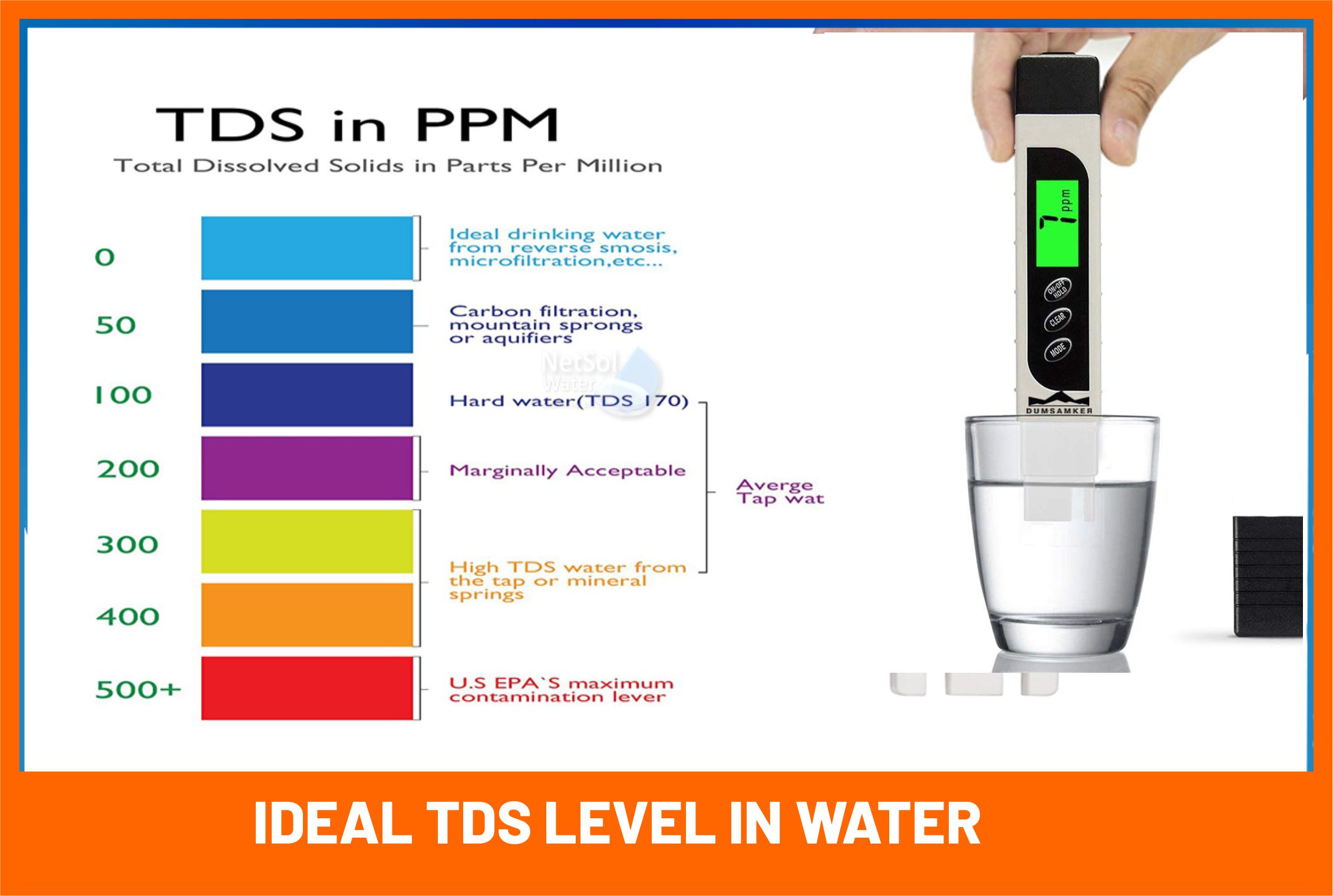 TDS in Drinking Water: Ideal Levels & Health Impact - 3D Aqua
Why Should You Care About TDS?
Because it’s the silent party crasher of your daily life. TDS doesn’t knock. It just shows up, eats your snacks, and leaves a mess. Ignoring it is like ignoring a leaky faucet—eventually, the floor rots.
High TDS over time can turn into real problems: bad sleep, brain fog, or a weirdly irritable mood for no reason. It’s the difference between a fun night out and a hangover that lasts a week. You want the fun, without the hangover.
Here’s the playful part: you can hack your TDS. Yes, like a video game cheat code. A 60-second cold splash on your face? That resets your vagus nerve (the “calm-down” cable). It’s your body’s reboot button.
Your TDS Toolkit (No Crystals Required)
First, breathe like a sleepy cow. Inhale for four seconds, hold for four, exhale for six. It sounds dumb, but it tricks your brain into thinking you’re safe. Your nervous system is gullible that way.
Second, move your butt. But not in a gym-bro way. Shake your hands like you’re flicking off invisible bugs. Do a silly dance. Laugh at yourself. Physical motion breaks the TDS loop faster than a rational thought ever could.
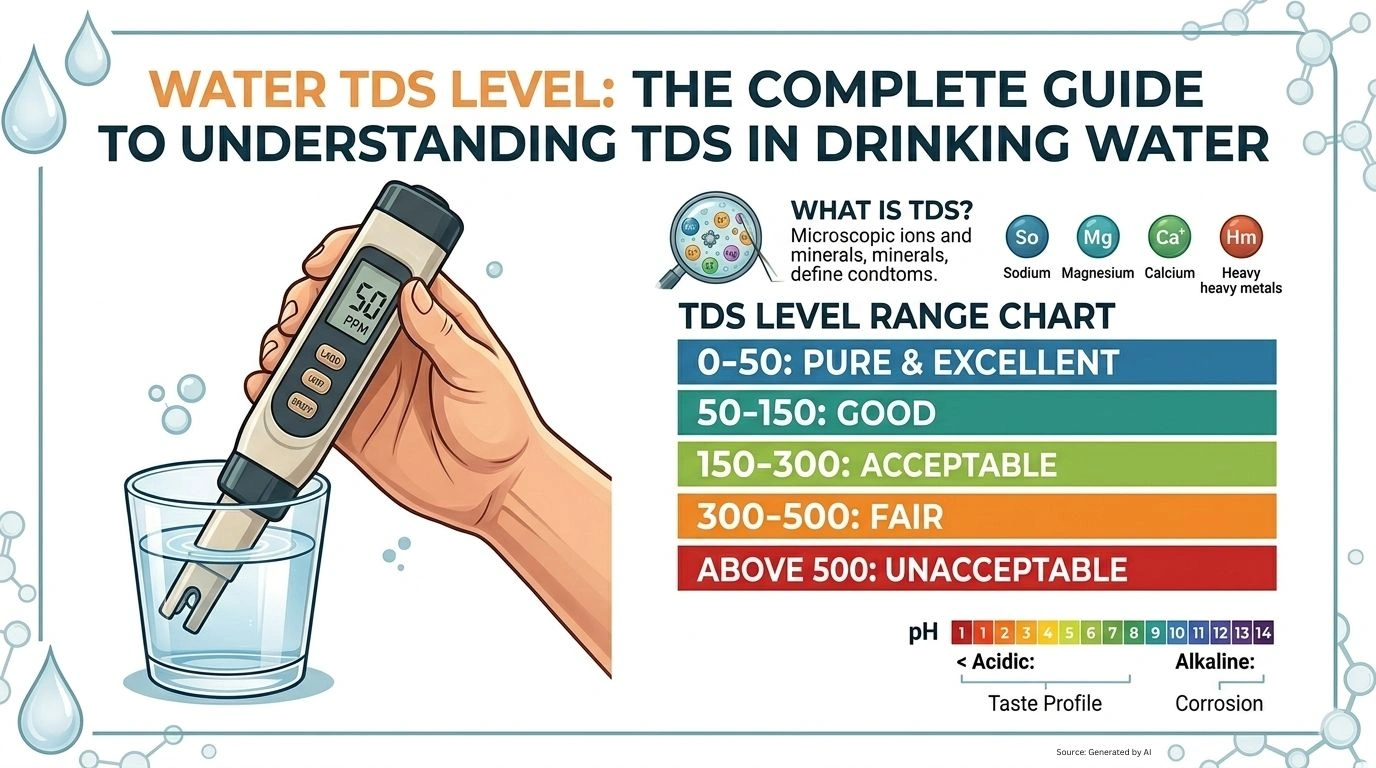 Water TDS Level: The Detailed Guide For Drinking Water TDS | ZeroB
Third, eat something crunchy. Carrots, apples, cucumbers. The crunching sound is a primal stress-reliever. It’s like your jaw’s way of saying, “I’m still in charge here, not the stress.” Plus, it’s snack time. Win-win.
The Fun Part: TDS is Normal
You are not broken. Everyone has TDS. It’s the Wi-Fi signal of your health—always fluctuating. Some days it’s strong, some days it’s spotty. The goal isn’t zero TDS. That’s impossible and boring.
The goal is noticing it. Awareness is the ultimate prank on your own stress. When you recognize TDS, you take away its power. It becomes a funny little character in your day, not a villain.
So next time you feel that tense, groggy, “why is my left eyebrow twitching” energy, just smile. Say, “Oh, there’s my TDS.” Then drink some water, take a deep breath, and maybe eat a carrot. You’ve got this.
Final Thought: You’re a TDS Expert Now
You’ve just learned the secret language of your body’s tantrums. TDS is the grumble before the storm, the tickle before the sneeze. It’s a quirky friend that reminds you to slow down.
Go ahead, tell a friend: “I’m managing my TDS today.” They’ll look confused. You’ll feel smug. That’s the real win. Stay curious, stay playful, and keep your TDS in check—or at least, laugh at it.
