Why Is My Hair Flaky

Okay, picture this: You’re in a meeting, mid-sentence, feeling pretty confident. Then, out of the corner of your eye, you see it—a tiny white blizzard drifting down onto your...
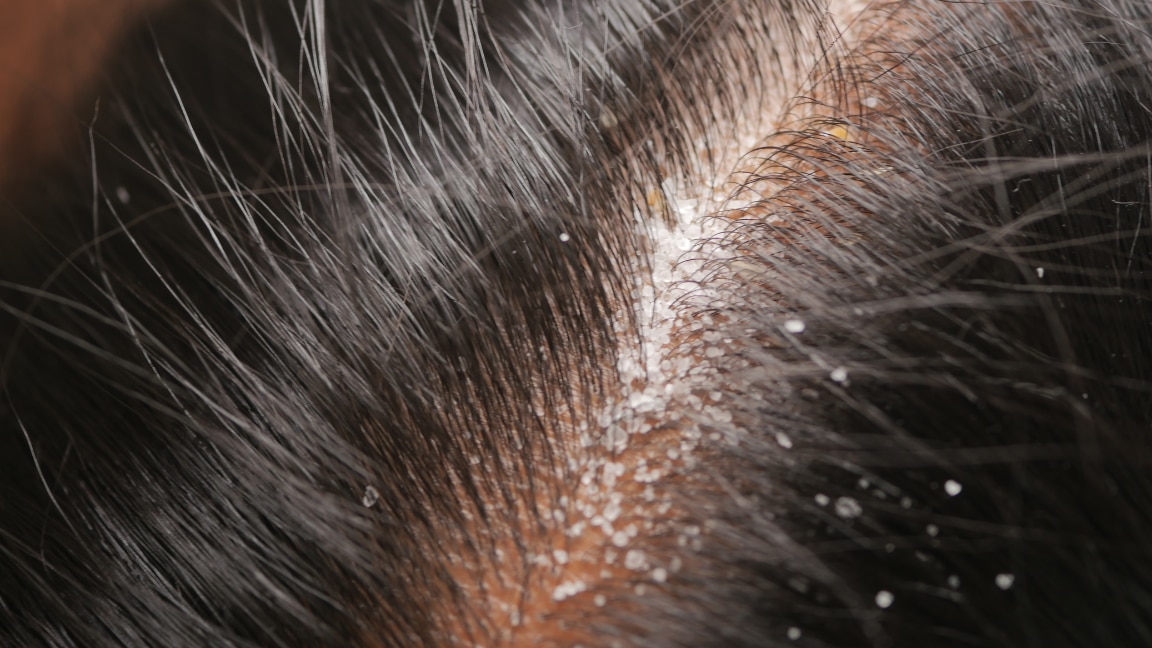
Okay, picture this: You’re in a meeting, mid-sentence, feeling pretty confident. Then, out of the corner of your eye, you see it—a tiny white blizzard drifting down onto your shoulder. Your black shirt is now a crime scene, and you are the suspect. We’ve all been there, frantically brushing off evidence while trying to look like you’re just adjusting your collar. It’s the universal signal for “Help, my scalp has gone rogue.”
That flaky situation is a special kind of social awkwardness. It’s not like a bad hair day you can just ponytail away. Nope, this is a colony of tiny, visible rebels setting up camp on your part line. So, why is your hair flaky? Let’s dig into the gritty truth—pun very much intended.
The Usual Suspect: Dryness vs. Oiliness
You might think flakes = dry scalp, and go grab a heavy conditioner. But hold up—it’s not always that simple. Sometimes, those flakes are actually from too much oil. Think of it as your scalp’s version of a temper tantrum.
Must Read
When your scalp is oily, skin cells can clump together and fall off as yellowish, greasy flakes. That’s often a sign of seborrheic dermatitis, a fancy term for “your scalp is inflamed and overproducing oil.” On the flip side, dry scalp gives you small, white, powdery flakes that look like dandruff’s boring cousin. The fix is totally different for each one, so guessing wrong is like putting out a fire with gasoline.
The Shampoo Sabotage
Let’s talk about your shower ritual. Are you washing your hair every single day? If so, you might be stripping your scalp of its natural protective oils. This forces it to go into panic mode and overcompensate by… you guessed it, producing more oil or more flakes.
But wait—there’s a plot twist. Not washing enough lets oil and dead skin cells build up like a clogged drain. The sweet spot? Washing every 2-3 days with a gentle, sulfate-free shampoo. Your scalp isn’t a greasy pizza pan—treat it with a little respect. Also, if you’re using a shampoo with harsh fragrances or alcohol, you’re basically inviting the flake party to stay forever.
Weather, Water, and Your Weird Habits
Winter is the arch-nemesis of a flake-free scalp. Cold air has zero humidity, so your skin—including your scalp—dries out faster than a sponge in the desert. You then crank up the heater, which only makes things worse. It’s a perfect storm for flakiness, and you’re stuck in the middle.
 Dandruff Flakes
What about your water quality? Hard water—loaded with minerals—can leave a residue on your scalp that irritates it. Think of it as limescale for your head. You might need a clarifying shampoo once a month to break that crust loose. And while we’re here, stop scratching! I know it feels amazing in the moment, but scratching just inflames your scalp more, creating a vicious cycle of flakes and more itching.
Diet and Stress: The Sneaky Culprits
Here’s where it gets personal: what you eat shows up on your head. A diet low in zinc, B vitamins, or healthy fats can make your scalp angry enough to flake off. It’s like your body is sending you a memo: “Feed me better, or I’ll snow on your shoulders.”
Stress is the other invisible villain. When you’re stressed, your body releases cortisol, which can mess with your oil glands and immune system. Suddenly, your scalp becomes a battleground for inflammation. Yes, that deadline at work might literally be giving you dandruff. Take a deep breath—your hair is watching.
The Fungus Among Us
Let’s get a little gross (but in a science-y way). A yeast called Malassezia lives on everyone’s scalp. Usually, it’s harmless. But when your scalp gets oily, this little fungus throws a party and feeds on the excess oil. Its waste products irritate your skin, speeding up cell turnover, and boom—flakes.
 Really Bad Flaking Scalp
That’s why anti-dandruff shampoos with ingredients like pyrithione zinc or ketoconazole work. They’re basically bouncers kicking the fungus out of the club. Just don’t expect overnight miracles—you need to use them consistently for a few weeks. And rotate them, or your scalp gets immune to the bouncer.
When to Wave the White Flag
Sometimes, flakiness is a symptom of something bigger, like psoriasis or eczema. If your flakes come with red, thick patches on your scalp or behind your ears, stop guessing and see a dermatologist. Also, if your shampoo smells like a chemical lab and your scalp still looks like a snow globe, you need professional help.
The same goes if it’s itchy to the point of disrupting your sleep. Your scalp is telling you something is off—listen to it. A doctor might prescribe a medicated topical that’s a million times stronger than anything from the drugstore. No shame in that game.
So, why is your hair flaky? Usually, it’s a mix of dry air, wrong shampoo, diet, or a tiny fungus throwing a hissy fit. The solution is often a simple, consistent routine and a little patience. You don’t have to live in a flakey fog forever. Now go check your shoulders—and maybe invest in a wide-tooth comb and a deep breath.
