What Is Bpa In Water

So, you’re filling up your reusable water bottle, and you see that little number 7 on the bottom. Or maybe you’ve heard the term BPA tossed around like a bad rumor at a party....
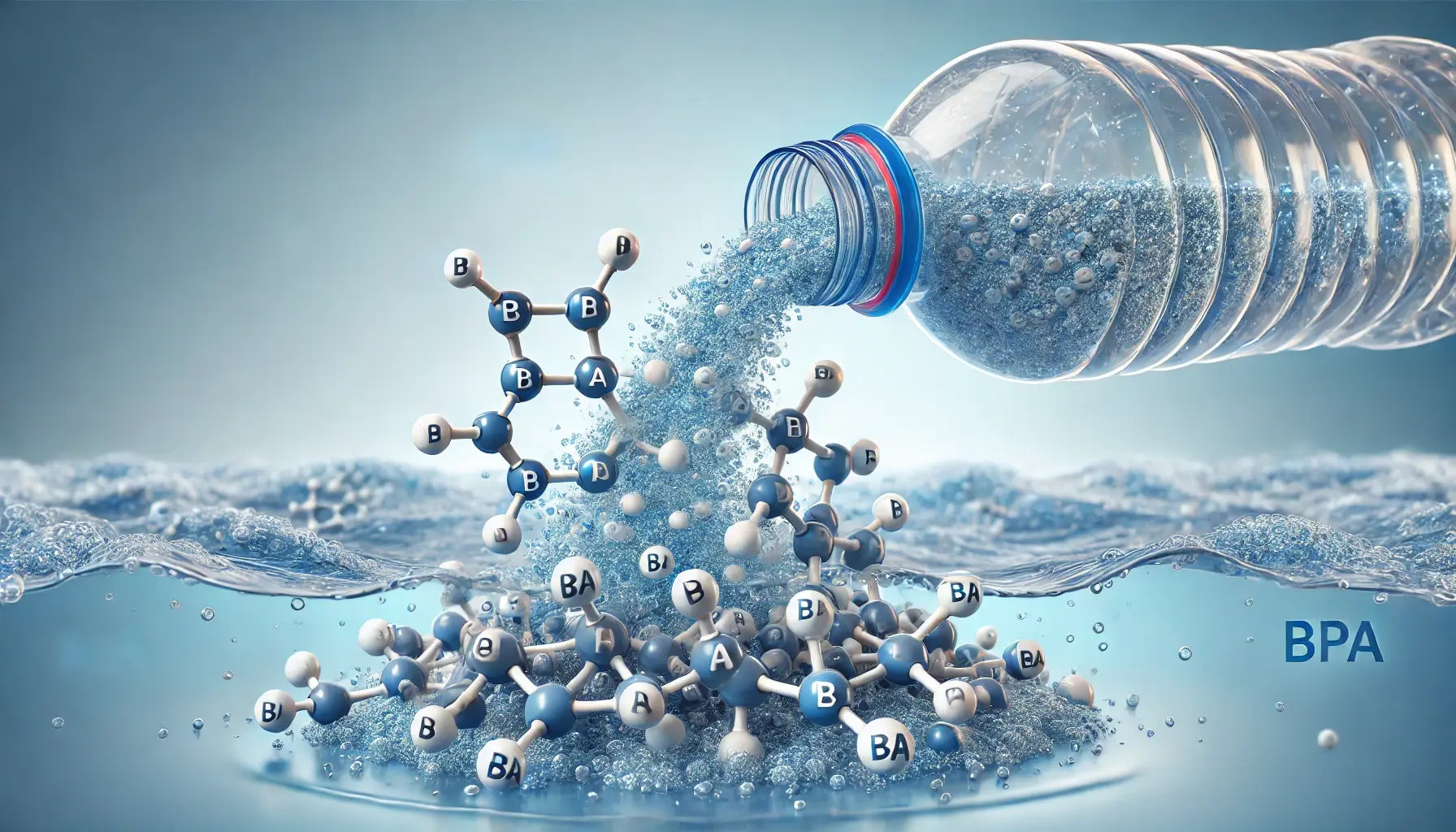
So, you’re filling up your reusable water bottle, and you see that little number 7 on the bottom. Or maybe you’ve heard the term BPA tossed around like a bad rumor at a party. What is BPA in water, anyway? Is it some kind of invisible monster hiding in your drink?
Let’s chill out and look at this cool (and slightly weird) chemical together. BPA stands for Bisphenol A, which is a building block for hard, clear plastics and epoxy resins. Think of it like Lego bricks for the plastic world—super useful for making shatterproof water bottles, food can linings, and even some receipt paper.
The Sneaky Part: How BPA Gets Into Your Water
Here’s where it gets interesting: BPA doesn’t want to stay put. When your plastic bottle gets hot (like left in a car on a summer day) or gets old and scratched, those Lego-like molecules can leach into the water. It’s like if your plastic container suddenly decided to share its lunch with your drink.
Must Read
So, you swallow a tiny amount of BPA. The big question is: does that little plastic visitor actually matter? That’s where the science gets fascinating—and a bit debated.
Why It’s So Controversial (And Kind of Cool)
BPA is what scientists call an endocrine disruptor. Fancy term, right? It basically means it can mimic the hormone estrogen in your body. Imagine a key that sorta fits into a lock, but it’s a cheap copy—it might turn the lock on at the wrong time.
Most of us have tiny traces of BPA in our urine, so exposure is nearly universal. But here’s the wild part: our bodies are pretty good at breaking down and flushing out BPA within a few hours. It’s not like a permanent tattoo on your insides—more like a temporary visitor that pops in and then leaves.
Why the fuss then? Studies on animals show that high doses over time can mess with development or reproduction. But human studies? They’re messy, because we all eat different foods, at different ages, and our bodies handle chemicals differently. It’s like trying to figure out if one specific cloud caused a thunderstorm.
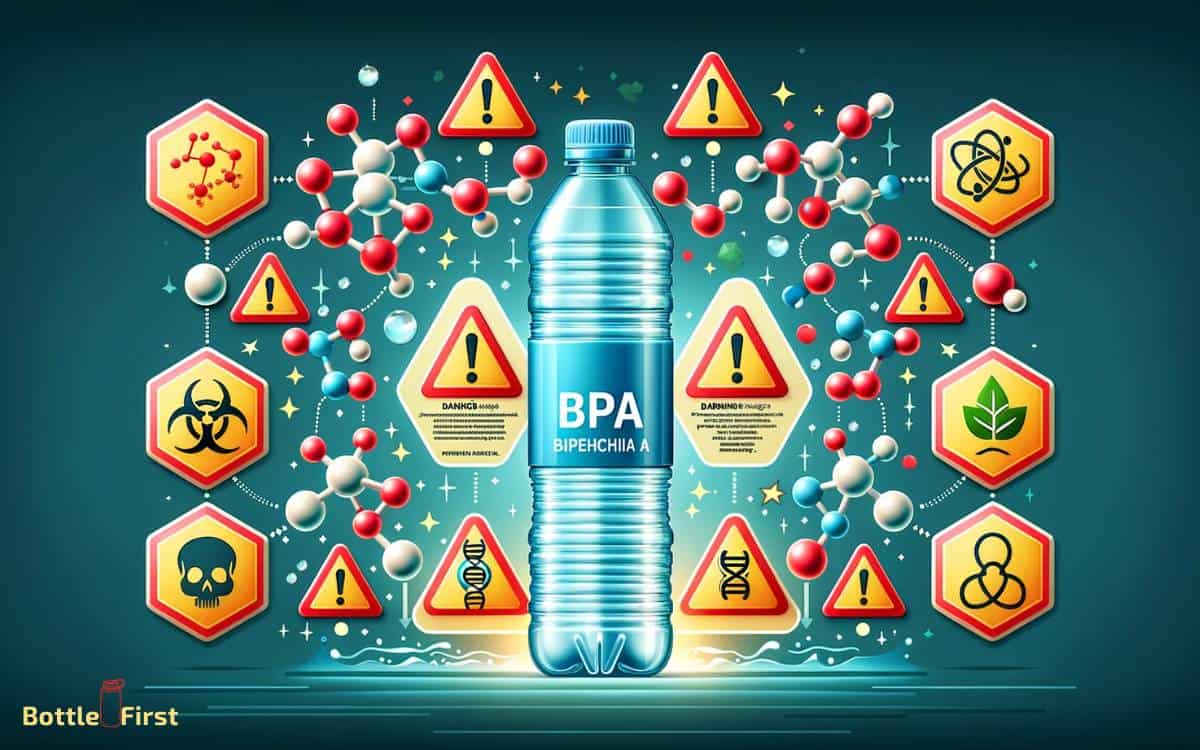 Are Ozarka Water Bottles Bpa Free? Yes!
Is Your Water Bottle a Villain or a Sidekick?
Let’s be real: you’re not going to get sick from one sip of water from a BPA bottle. The risk is more about chronic, low-dose exposure over years. It’s like eating a single potato chip—fine. But a whole bag every day? Your body might start side-eyeing you.
The really cool thing is that modern science and consumer demand have led to a huge shift. Now, you see labels like BPA-free everywhere. Companies swapped BPA for similar chemicals like BPS or BPF—but guess what? Those might act similarly. Oops! It’s a bit like swapping one brand of sneakers for another that also has a squeaky sole.
What Should You Actually Do? (Keep It Cool)
Don’t panic. Instead, be a curious explorer of your own habits. If you’re worried, try these chill steps: avoid microwaving plastic containers (heat is BPA’s best friend), and use stainless steel or glass bottles for your daily water. They’re like the superheroes of hydration—no leaching drama.
Also, ditch those old, scratched plastic bottles from 2010. They’re like worn-out tires—time for an upgrade. And hey, if you’re using reusable plastic that’s marked with recycling code 1, 2, 4, or 5, you’re usually in the clear. Code 7? That’s the “mystery mix” that might contain BPA.
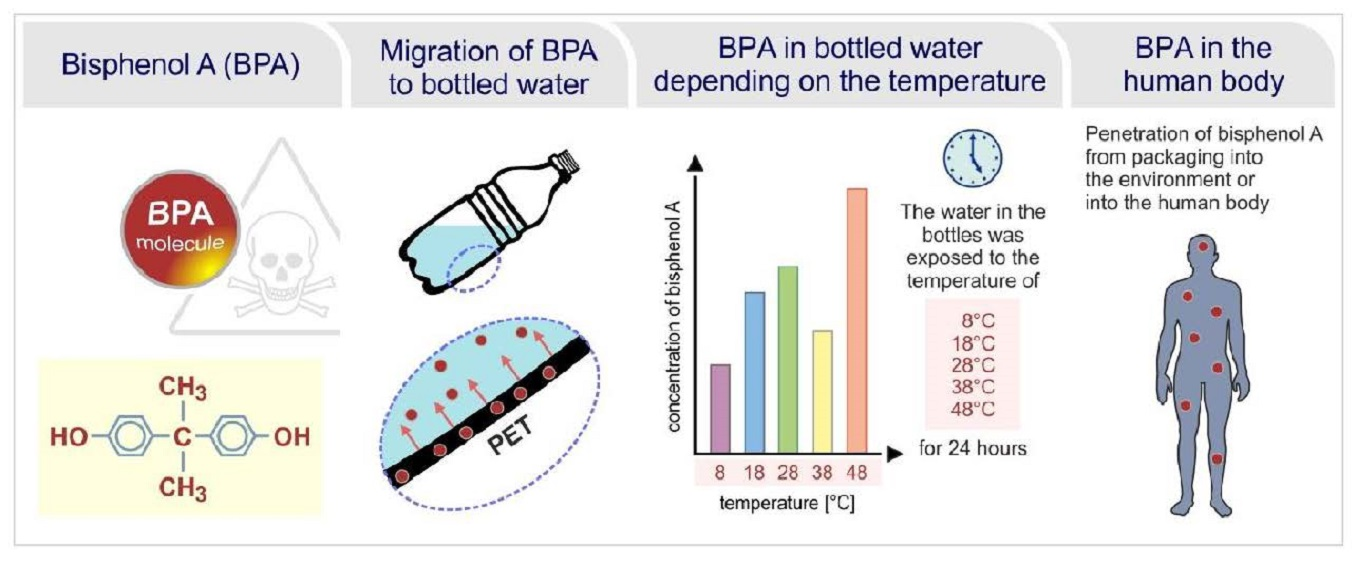 Influence of Temperature on the Quantity of Bisphenol A in Bottled
Here’s the fun comparison: think of BPA like caffeine. Most people handle a little just fine. A lot? Not so much. Your body has its own filter system (your liver and kidneys) that does an amazing job. The key is not to overwhelm it.
The Bottom Line: It’s Weird, Not Scary
BPA in water is a fascinating example of how modern chemistry touches everything we do. It’s not a poison you need to fear—it’s a chemical conversation between plastic and liquid. The coolest part? We now have choices. You can vote with your wallet by choosing BPA-free or non-plastic options.
So next time someone says “BPA,” you can smile and say, “Oh, yeah—the molecular party crasher.” You don’t need to be scared. Just be thoughtful. And maybe treat your plastic bottle to a shady spot instead of a hot car. Your water—and your endocrine system—will thank you.
Stay hydrated, stay curious. The science of everyday life is way more interesting than scary, if you just ask the right questions. What’s in your bottle right now?
