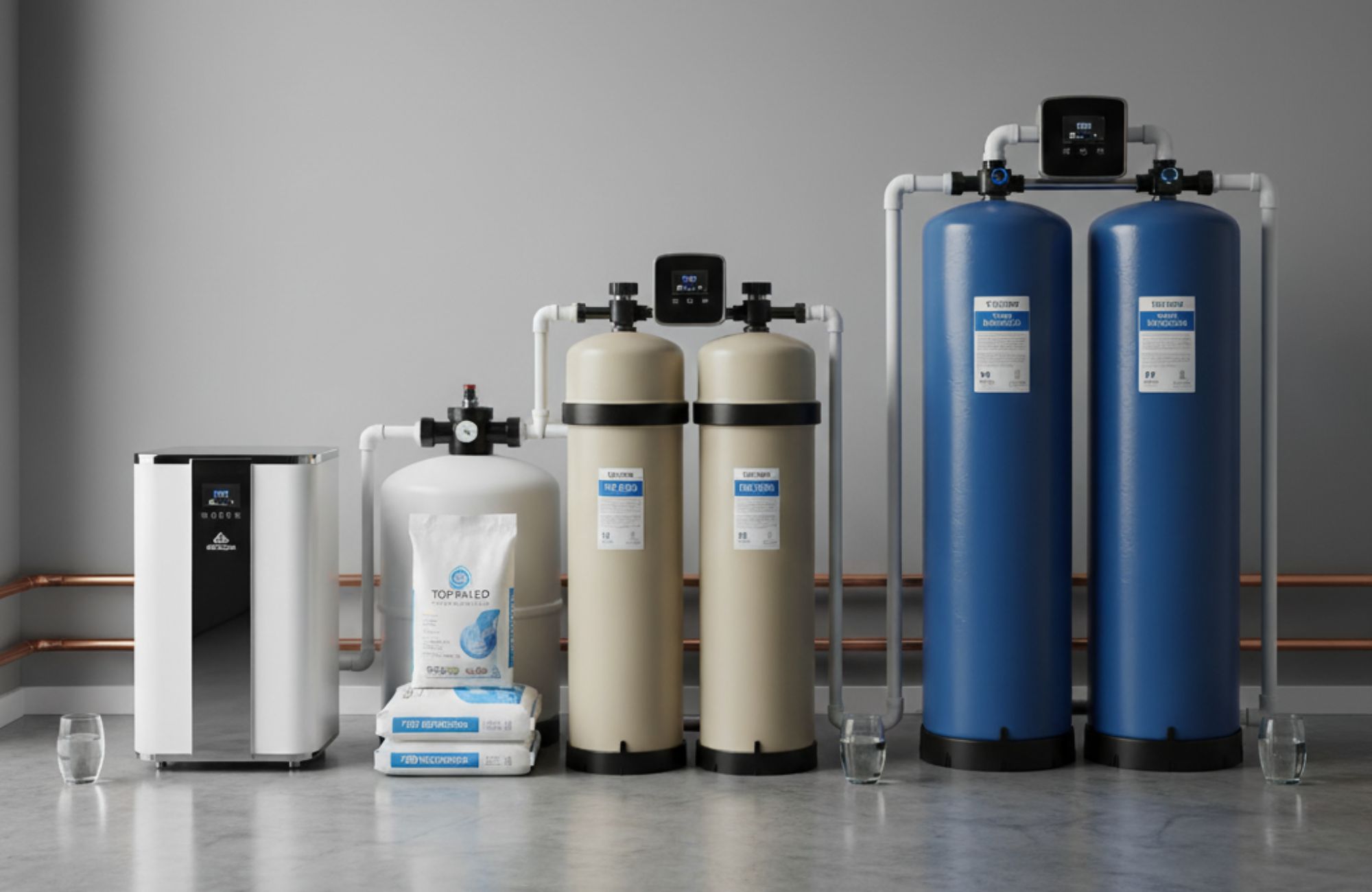
Best Water Softener For Home Use

Remember that time I tried to brush my teeth and the water tasted like a chalky, forgotten swimming pool? I spat it out, convinced my toothpaste had gone rogue. Turns out, it...
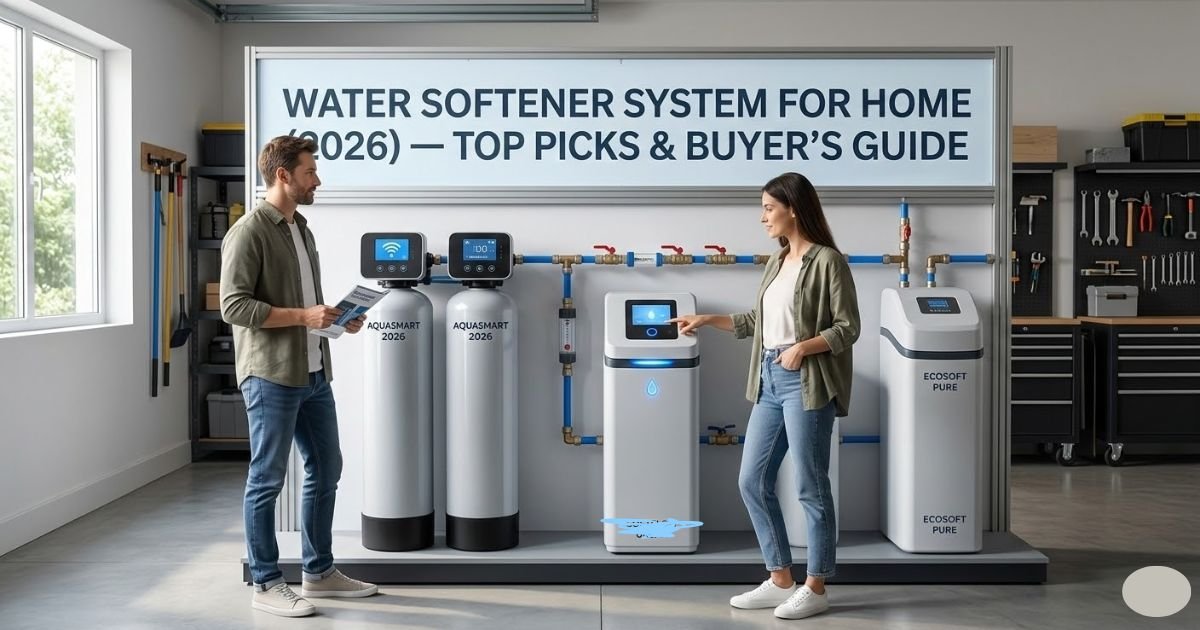
Remember that time I tried to brush my teeth and the water tasted like a chalky, forgotten swimming pool? I spat it out, convinced my toothpaste had gone rogue. Turns out, it wasn’t the Colgate; it was the hard water waging war on my morning routine. That grim, mineral-laced mouthful was my wake-up call to find the best water softener for home use. Spoiler alert: I found one, and my coffee has never tasted better.
Hard water is basically a bully for your plumbing and your skin. Those calcium and magnesium minerals build up like they’re renting space in your pipes, leaving limescale on your faucets and a filmy residue on your glassware. Your hair feels like straw, and your skin? It’s begging for mercy. The solution isn’t ignoring it—it’s a water softener that actually works with your home.
Let’s be real: the “best” softener depends on your specific situation. Do you live in a tiny apartment or a sprawling suburban castle? That matters. For most families, the whole-house salt-based ion exchange system reigns supreme. It’s the heavyweight champion that yanks those hard minerals out and swaps them for softer sodium or potassium ions. Your water heater will thank you with a longer life.
Must Read
The Royal Contenders
If you need reliability on a budget, look at the Fleck 5600SXT. This thing is like the Toyota Camry of softeners—boring in looks, but bulletproof in function. It’s a metered system (smart enough to regenerate only when it needs to), and users swear by it for decades. Plus, you can often DIY the installation if you’re handy with a wrench. Just promise me you’ll watch a YouTube tutorial first.
On the flip side, if you want convenience with a side of tech, the SpringWell Futuresoft is your jam. This is a salt-free system that uses a catalytic media to condition the water instead of removing minerals. It won’t make your water “soft” in the traditional sense, but it stops scale from forming. No salt, no sludge, no heavy drums to haul. Perfect if you’re on a septic system or worried about sodium intake.
 7 best water softener systems february 2024 – Artofit
But let’s talk about the elephant in the room: maintenance. Salt-based systems need you to refill the brine tank every month or so. If you forget, your softener becomes a very expensive paperweight. Salt-free ones are nearly maintenance-free, but they don’t actually remove hardness—they just alter the crystal structure of the minerals. Choose your evil.
Size Matters (Yes, Really)
You can’t buy a softener for a four-bedroom house that’s meant for a two-person condo. Measure your water usage and your water hardness level (get a test kit, it’s cheap). A common mistake is buying a unit that’s too small, forcing it to regenerate constantly and wasting water. Bigger isn’t always better, but undersized is a definite fail.
For a typical family of four with moderately hard water (7-10 grains per gallon), a 30,000 to 40,000 grain capacity system hits the sweet spot. If your water is off the charts (think 15+ grains), bump up to a 48,000-grain beast. Your laundry will feel noticeably softer, and your spouse might actually hug you for fixing the “gross shower feeling.”
 7 Best Water Softeners In 2024: Explained, Reviewed – IDOCTJ
The Nitty-Gritty: What to Look For
First, check the flow rate. You need at least 10-12 gallons per minute (GPM) if you plan to run the shower and the dishwasher simultaneously. Nothing kills the vibe like a trickle when you’re rinsing shampoo. Second, look for a certified NSF/ANSI Standard 44 rating. That ensures the resin is up to snuff and won’t leach weird stuff into your water.
Finally, ignore the marketing fluff. “Advanced digital controls” are nice, but a simple mechanical timer works fine for years. You’re not landing a rocket; you’re softening water. Don’t overspend on Wi-Fi connectivity unless you genuinely want to check your softener’s status from the grocery store. I won’t judge, but I might chuckle.
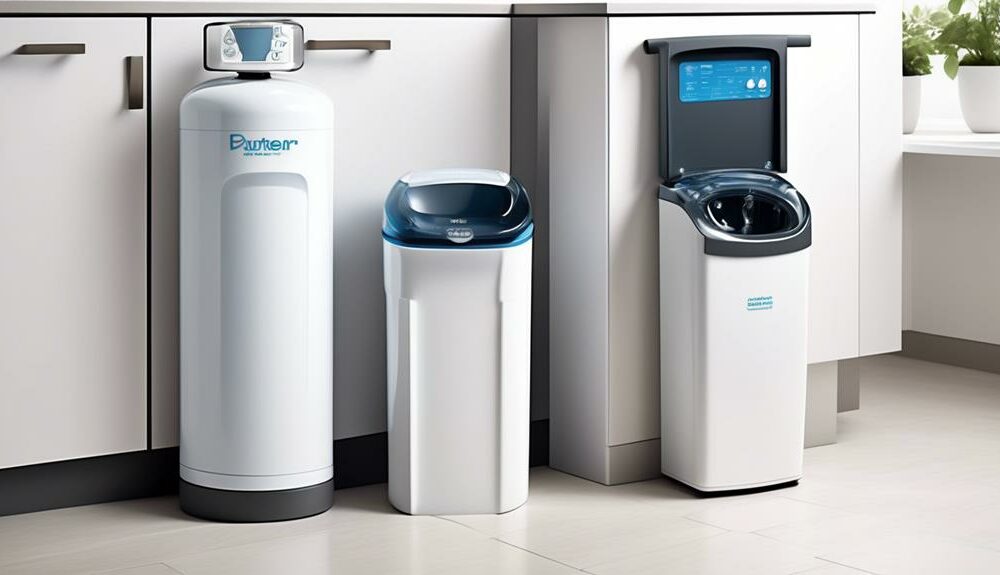 15 Best Water Softeners to Improve Your Home's Water Quality - StrongMocha
One more thing: installation costs. If you have copper pipes and basic skills, you can do it yourself for under $200 in parts. If the thought of soldering makes you sweat, budget $500-800 for a plumber. It’s worth the peace of mind to avoid a flooded basement. Trust me, your landlord’s emergency number won’t be happy at 2 AM.
So, which one should you buy? If you want a no-brainer classic: the Fleck 5600SXT. If you prefer a modern, eco-friendly twist: the SpringWell Futuresoft. And if you’re renting or on a tight budget, consider a countertop softener like the Waterstick that just hooks to your kitchen faucet. Not a whole-home fix, but it will save your electric kettle from limescale doom.
In the end, the best water softener is the one you actually maintain and that fits your water’s personality. Is your water angry? Give it a salt-guzzling titan. Is it mildly annoying? Get a salt-free conditioner. Either way, you’ll stop feeling like you’re washing with chalky regret. Now go drink that coffee—it’ll taste like victory.