Best Commercial Reverse Osmosis System

So, you’re thinking about a commercial reverse osmosis system. Maybe you're tired of your iced tea tasting like a swimming pool's distant cousin, or perhaps you're running a c...
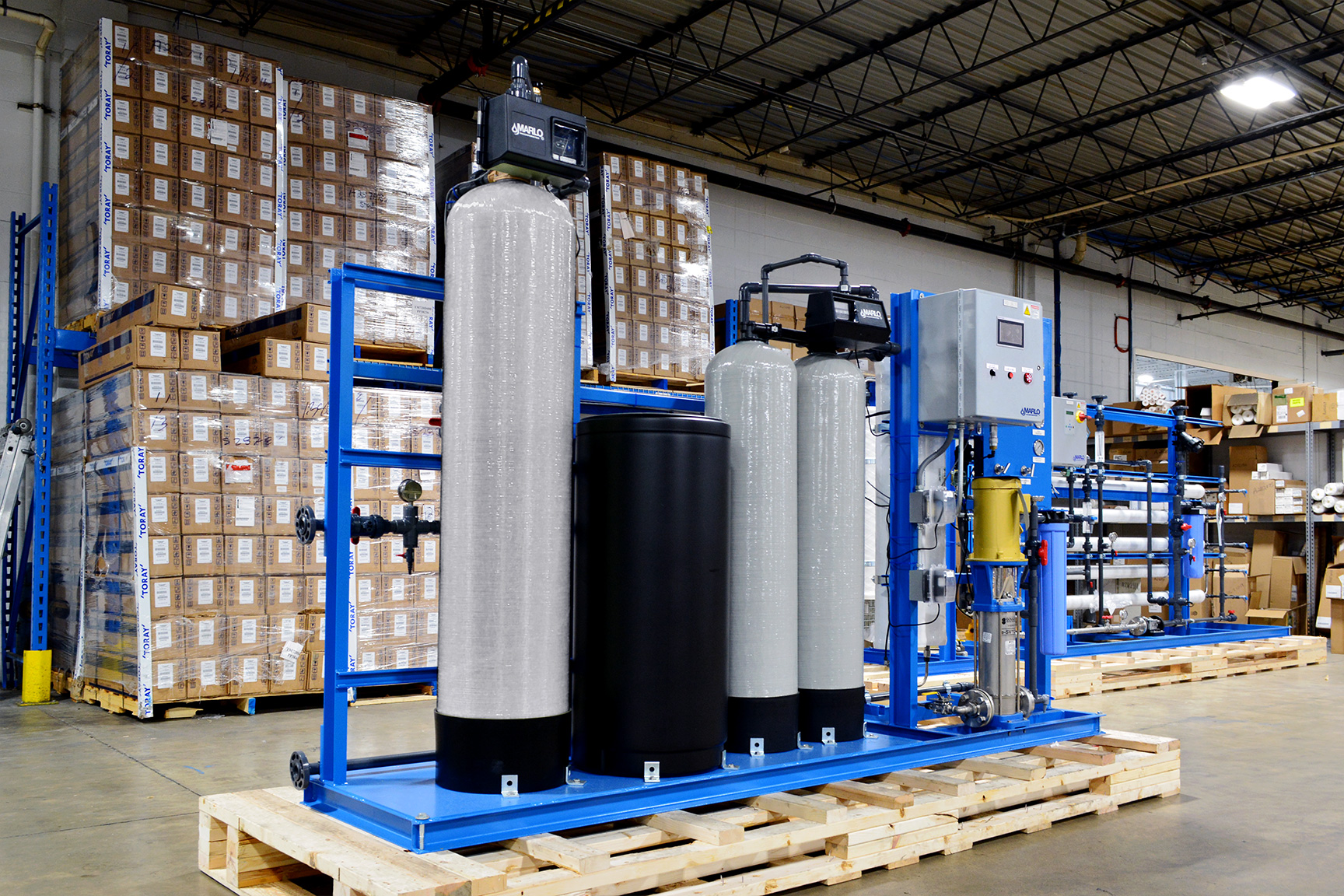
So, you’re thinking about a commercial reverse osmosis system. Maybe you're tired of your iced tea tasting like a swimming pool's distant cousin, or perhaps you're running a café and your espresso shots have more drama than a soap opera. Whatever the reason, welcome—you’ve stumbled into the wild, wet world of turning meh water into something that would make a fancy bottled brand blush. Buckle up, because we’re about to get refreshingly geeky.
First, let’s clear up a common myth: reverse osmosis doesn’t involve your water doing yoga poses. It’s actually a process where water is forced through a super-fancy membrane that’s so picky, it rejects everything that isn’t pure H2O. Salts, lead, pesticides, even that weird fluoride your dentist loves—gone. It’s like a bouncer at an exclusive club, but for molecules, and the water is always VIP. Fun fact: this technology was originally developed for desalinating seawater on submarines. Imagine sipping a drink made from water that once terrorized a nuclear sub—now that’s a conversation starter.
Now, why go commercial instead of grabbing that cute under-sink unit at the big-box store? Because, my friend, you are not making a single glass of lemonade. You are running a business, a church potluck, or a personal water obsession that requires gallons per minute, not drips per eternity. A commercial system can pump out 50 to 500 gallons a day, which is enough to hydrate a small army or keep your local donut shop's coffee from tasting like a melted penny. Plus, they’re built like tanks—because if water pressure goes rogue, you don’t want your investment weeping onto the linoleum.
Must Read
The Great Membrane Mystery
Here’s where it gets juicy: the membrane inside is the real star, and it’s made of something called thin-film composite. Sounds like a superhero origin story, right? It basically acts like a microscopic colander that’s so tight, it blocks particles smaller than a virus. Yes, a virus. If you ever catch your water trying to sneak a cold virus through, the membrane will stop it cold—or rather, flush it down the drain. Scientists call this rejection rate “99%,” which is way better than your last attempt to reject a bad date.
But wait—there’s a hilarious catch: these systems are thirsty. For every gallon of pure water you get, a commercial RO system can dump three to four gallons down the drain as “brine.” That’s a lot of water that’s too salty even for a pickup truck’s air conditioner. Some newer models are more efficient, but don’t be shocked if your water bill looks like it’s paying off a small yacht. Pro tip: you can pipe that brine into a garden (if you hate your plants) or a saltwater aquarium (if you love your fish more than your sanity).
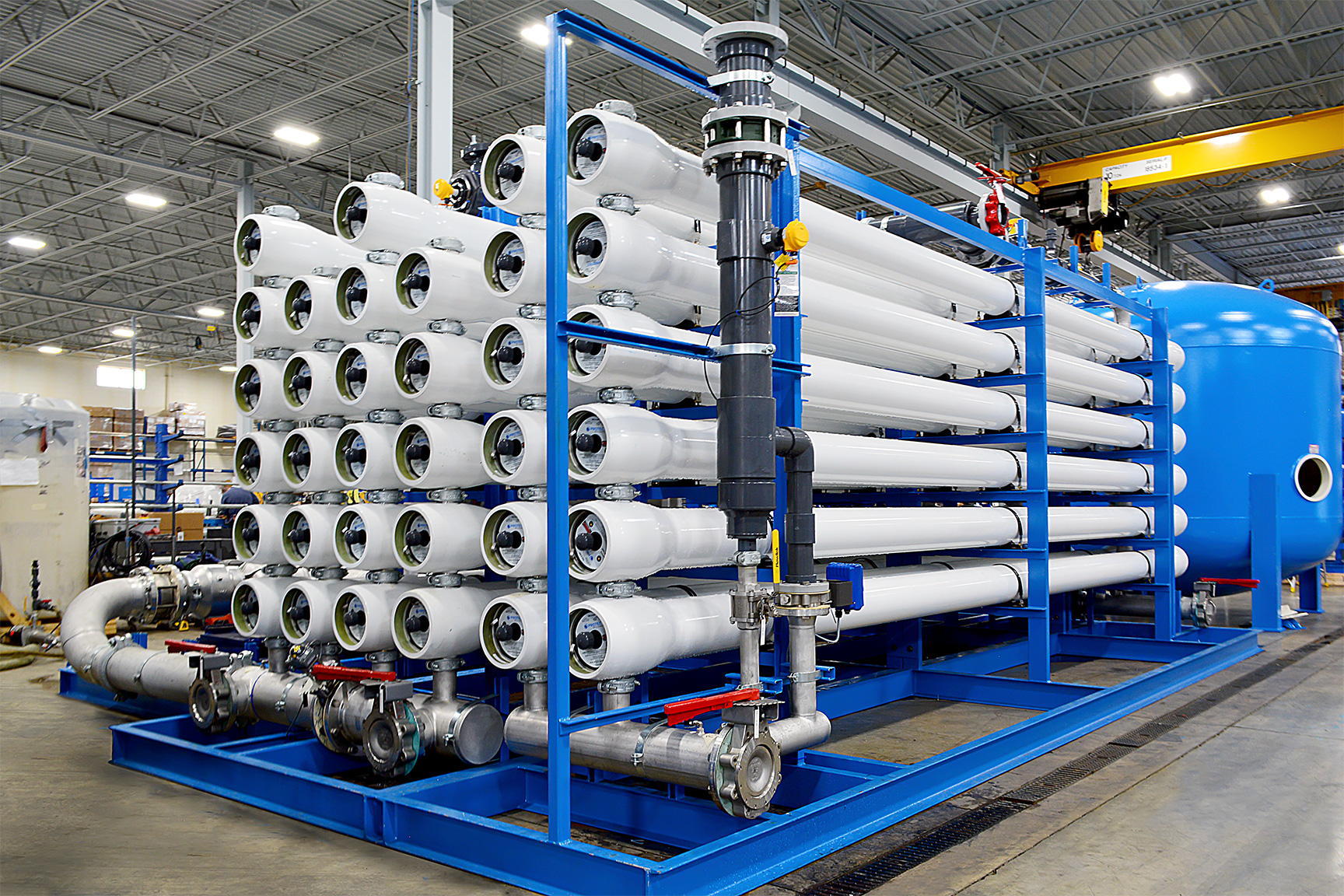 Reverse Osmosis System
Picking Your Water Warrior
Choosing the best commercial system is like picking a dog breed: you need to match the model to your personality and workload. If you run a busy coffee shop, look for a system with a high flux membrane that processes water fast, because nothing kills a Monday morning crowd like waiting for the water to “think about it.” Also, check the microns—the number that tells you how tiny the pores are. A 0.0001 micron membrane is standard, which is basically the same as asking your water to squeeze through a single strand of hair split a thousand times. That’s not science; that’s just showing off.
You’ll also see brands like Pentair, Culligan, and GE throwing elbows in the ring, each promising the cleanest water since the Garden of Eden. But don’t get hypnotized by the sparkle. The real test is the annual maintenance cost. Those membranes need replacing every 2-3 years, and the carbon pre-filters? Every six months, like clockwork. If you forget, your water will start tasting like a swamp monster’s backwash. Set a calendar reminder, or hire a teenager to yell at you.
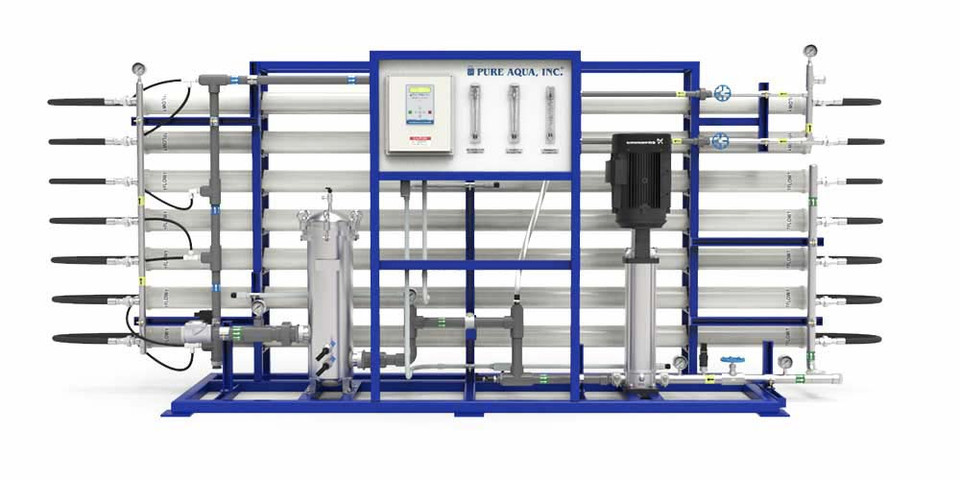 Commercial Reverse Osmosis RO Systems RO-200 - Pure Aqua, Inc.
One more thing: UV sterilization is a common upgrade. It zaps any bacteria that somehow survived the membrane’s puritanical gatekeeping. It’s like a security guard with a laser blaster for germs. Some systems even throw in a chlorine removal stage—because let’s be honest, nobody ordered their tap water with a “poolside bouquet.” If you do it right, your water will be so pure, it might actually taste a little boring at first. That’s how you know it’s working.
The Surprising Kick in the Hose
Now, brace yourself for a fact that will blow your faucet mind: reverse osmosis doesn’t just remove bad things—it also removes good things, like calcium and magnesium. Your pure water is technically “dead” to minerals. Some snobs call this “hungry water” because it’ll try to leach minerals from your pipes if you let it sit too long. Solution? Add a remineralization filter after the system. It’ll put the good stuff back, making your water taste like mountain spring, minus the hikers and bear poop.
 Commercial Reverse osmosis systems CambridgeAquamaster Water Treatment
Real-world example: a friend of mine installed a commercial RO system at his taco truck. His sodas became so crisp, customers swore they were from 1957. He also stopped losing sleep over the local water board’s weird “algae bloom season.” The only downside? He now has to explain to drunk customers why their ice melts faster—because pure water freezes clearer and denser. “Science, bro!” he yells, as they stumble away confused. And you know what? That’s the kind of joy a good system brings.
Final Sips of Wisdom
So, should you buy the best commercial reverse osmosis system? Yes, if you hate scale buildup, love clear ice, and want to flex on your friends with a lab-grade water bottle. Just don’t expect it to make your coffee taste like a barista’s love letter—it’s water, not magic. But it will make every other flavor shine, from your black tea to your dog’s drinking bowl. And hey, if you mess up the installation, you'll have a really wet basement and a story for the next potluck. Worst case, you can always blame the membrane.

