Best Water Softener Resin For Iron Removal

You know that feeling when you pour a glass of water, and it looks like it’s been brewed in a rusty bucket? Yeah, iron in your water is basically the uninvited guest who shows...

You know that feeling when you pour a glass of water, and it looks like it’s been brewed in a rusty bucket? Yeah, iron in your water is basically the uninvited guest who shows up, spills red dirt on your pristine white laundry, and then cloggs your showerhead with a crunchy, orange sludge. It’s like finding out your plumbing has been secretly moonlighting as a junior geologist, cultivating its own little rock garden inside your pipes.
The real hero you need isn’t a fancy filter on your faucet; it’s the little resin beads inside your water softener. Think of standard resin as a friendly bouncer at a club, great at kicking out calcium and magnesium (the hard water duo), but completely useless when iron shows up. That’s when you need the special ops resin, the one trained to tackle the rust monster head-on.
The Tale of Two Beads
Standard softener resin is like a library that only lends out one type of book—hardness minerals. Iron, being the chaotic party animal it is, doesn’t check in. So, you end up with iron stains, and your resin gets fouled—which is a fancy way of saying it gets gunked up and stops working entirely. It’s like trying to use a coffee filter that’s already full of coffee grinds; nothing goes through.
Must Read
Enter the high-capacity, iron-resistant resin. This stuff is cross-linked, meaning the polymer beads are stronger and more tightly packed. Imagine the difference between a cheap sponge that disintegrates after one squeeze and a high-tech microfiber cloth that lasts through a thousand washes. That’s the upgrade.
The Secret Ingredient: Cross-Linking
The magic number here is % cross-linkage. Standard resin is usually around 8% cross-linked. For serious iron removal—we’re talking anything above 3 or 4 parts per million—you want 10% cross-linked resin. This denser structure prevents the iron from physically locking itself inside the bead. It’s like having a bouncer with a DNA scanner instead of just a strong arm.
 Water Softeners That Use Salt at Thelma Guerrero blog
When you regenerate the system with salt, this tough resin lets go of the iron much more easily. You avoid the dreaded iron fouling that turns your softener into a useless, expensive decoration. Nobody wants a fifty-pound paperweight in their basement.
What About High Iron? The “Res-Up” Fix
If your water looks like it came from a swamp—say, 5 to 10 ppm of iron—even the toughest resin might need a little help. This is where Res-Up or a similar iron-cleaning additive comes in. Think of it as the resin’s personal gym trainer that flushes out the last bits of iron sweat after a workout.
 5 Best Water Softener Systems For Well Water: Iron Removal
You pour this stuff into the brine tank, and during regeneration, it breaks down the iron that got stubbornly attached to the beads. Without it, your fancy cross-linked resin is just a really expensive, sad pile of rusty marbles. It’s like buying a sports car but forgetting to put gas in it.
The “Testing Your Sanity” Phase
I learned this the hard way. I bought a cheap softener from a big-box store, patted myself on the back for saving a hundred bucks, and then watched my toilet bowls turn orange within a month. My wife started calling the plumber’s number by heart. I spent six months scrubbing sinks with a vengeance usually reserved for tax audits.
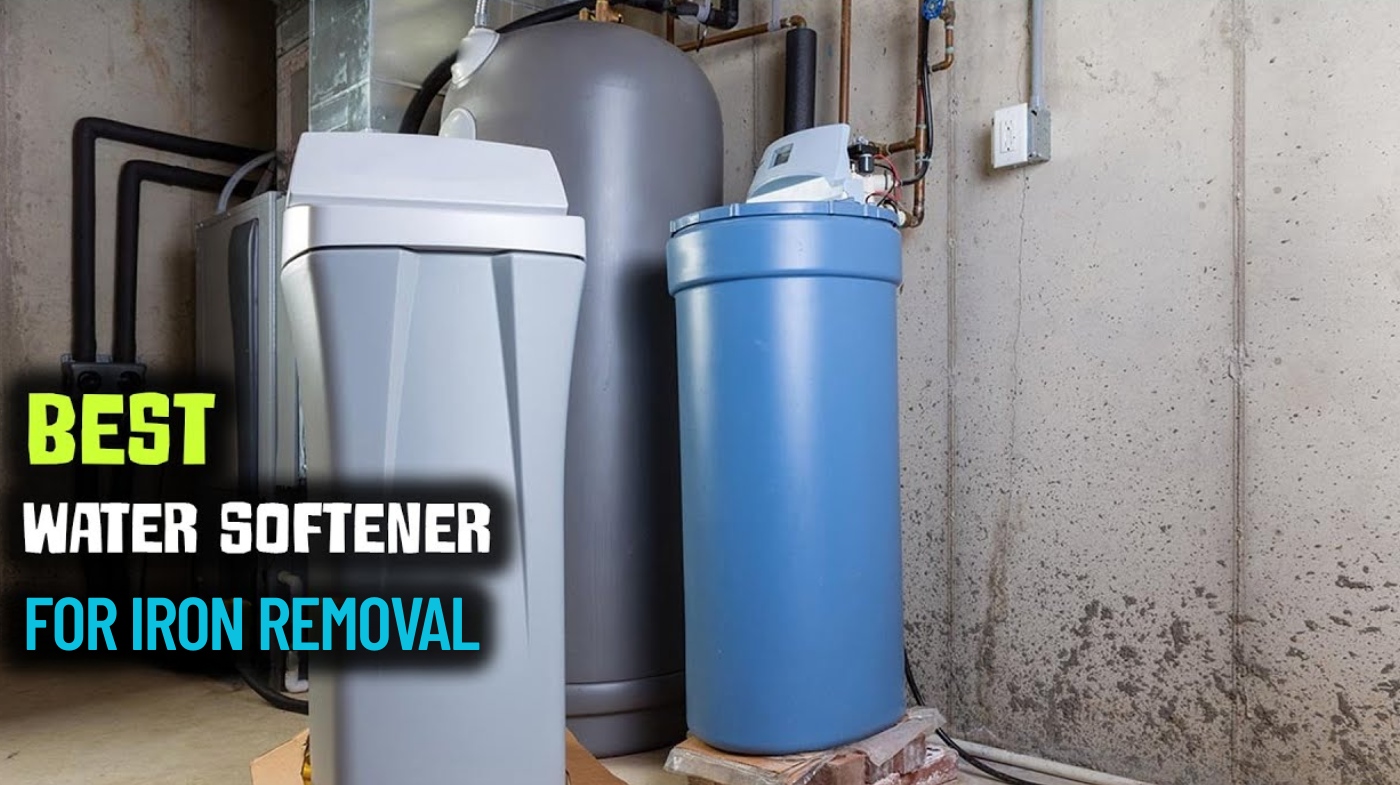 Best Water Softeners for Iron Removal – Reliable Solutions – Plumbing Ways
Finally, I swapped the standard resin for a bag of 10% cross-linked iron-reduction resin. The first regeneration was terrifying—the water that flushed out was the color of iced tea. But the next morning? Crystal clear glasses, white socks that stayed white, and a silence from my spouse that was louder than any compliment.
Don’t Forget the Pre-Filter
Here’s the ultimate trick: a sediment pre-filter before the softener is the resin’s best friend. Iron often comes with little rust particles, which are like tiny razor blades to resin beads. If you skip the pre-filter, your expensive resin will get shredded faster than a politician’s promise.
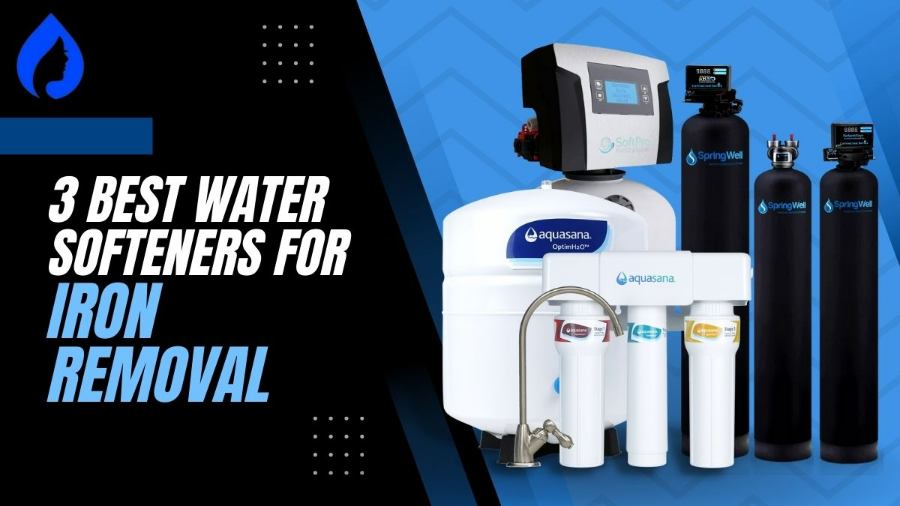 3 Best Water Softener For Iron Removal (Well Owners Guide In 2024
Install a 5-micron spun filter in front of your softener. It’s cheap, it’s easy, and it catches the big chunks so your resin only has to fight the dissolved iron. Think of it as the security screening before the bouncer handles the main event.
The Bottom Line, No Science Degree Required
Standard resin for iron removal is like bringing a water pistol to a wildfire. You need the heavy artillery: high cross-linkage, proper regeneration settings, and a little maintenance. Your reward is a house that doesn’t look like a crime scene, shower doors you can actually see through, and laundry that makes you look like a functional adult.
In the end, the best water softener resin for iron removal is the one that makes you forget you even have iron in your water. It’s the silent, reliable friend who shows up every day, works without complaining, and never steals your socks. Now go fix that water—your toilet bowl is crying.
