Best Reverse Osmosis System For Well Water

So, you’ve got well water. Congratulations! You’re living the rural dream, complete with the sound of the pump kicking on at 3 AM. But let’s be honest, that dream sometimes ta...
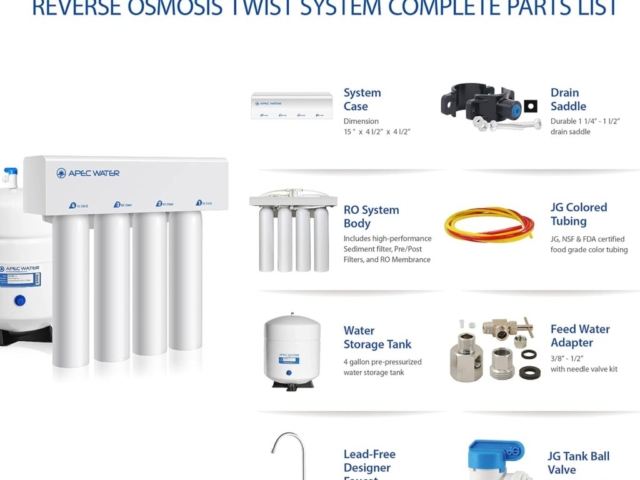
So, you’ve got well water. Congratulations! You’re living the rural dream, complete with the sound of the pump kicking on at 3 AM. But let’s be honest, that dream sometimes tastes a little… earthy. You know the drill—that metallic tang that clings to your morning coffee, or the way your ice cubes look like they’ve been through a minor dust storm.
It’s not just you being picky. Well water is a wild card, a mysterious blend of minerals, sediment, and the occasional rogue particle that thinks it belongs in your glass. You’ve tried the pitcher filter, but that thing works harder than a hamster on a wheel—and with about the same results.
Enter the Reverse Osmosis (RO) system. Think of it as a bouncer at a fancy club, but for your water. It kicks out the iron, the sulfur, the calcium, and that one stubborn piece of grit that’s been haunting your faucet for years. But not all bouncers are built the same, especially when they’re dealing with the rowdy crowd that is well water.
Must Read
Why Well Water is the Drama Queen of H2O
Municipal water is like a trained house guest—calm, predictable, and already pre-screened. Well water is the cousin who shows up unannounced with a van full of questionable belongings. You’ve got sediment that looks like fairy dust but tastes like regret, hardness that turns your soap into chalk, and maybe even a little iron that makes your white socks look like a sunset.
That’s why a standard RO system—the kind your city-dwelling friend brags about—will choke on well water faster than a toddler on a whole apple. You need a system that’s built for the long haul, one that laughs in the face of silt and says, “Is that all you’ve got?”.
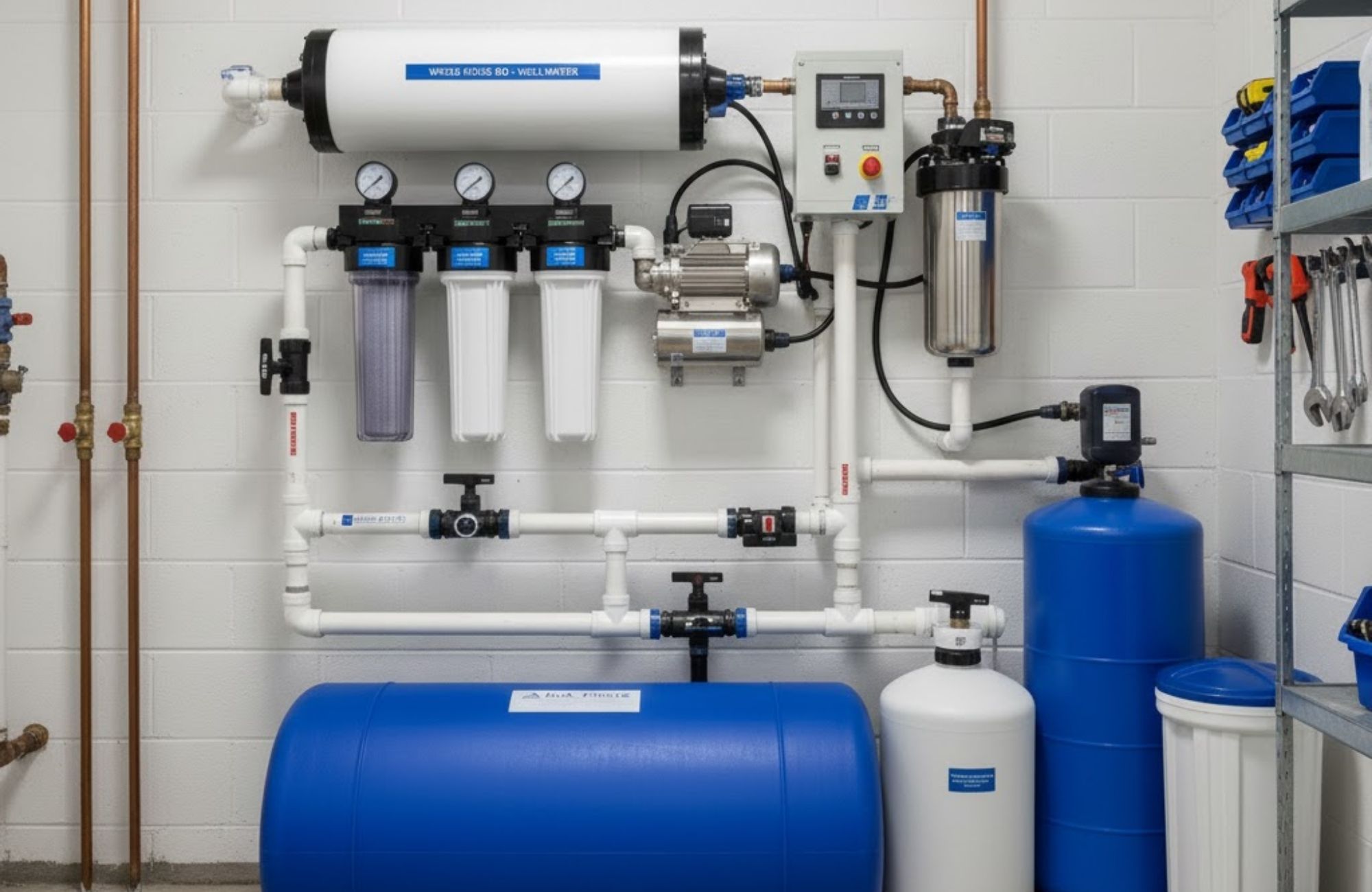 Whole House Reverse Osmosis for Well Water: Is It Worth It
The Setup: Pre-Filtration is Your New Best Friend
Here’s the secret they don’t tell you: the best RO system for well water isn’t just the RO unit itself. It’s the entire entourage before it. You need a pre-filter that catches the big stuff—the sand, the rust flakes, the tiny pebbles that look like they’re plotting something. Think of it as a mudroom for your water, where the muddy boots get kicked off before entering the house.
I once skipped this step. My RO membrane lasted three weeks. Three weeks! It clogged up like a drain full of hair after a teenager’s shower. Don’t be me. Be smarter. Get a sediment pre-filter that’s rated for at least 5 microns. Your future self—and your water pressure—will thank you.
And if you’ve got hard water (and if you have well water, you probably do), throw a water softener in the mix. RO systems hate hard water like cats hate baths. The calcium and magnesium will scale up your membrane, turning it into a crusty fossil. Soften it first, and your RO system will run like a dream for years.
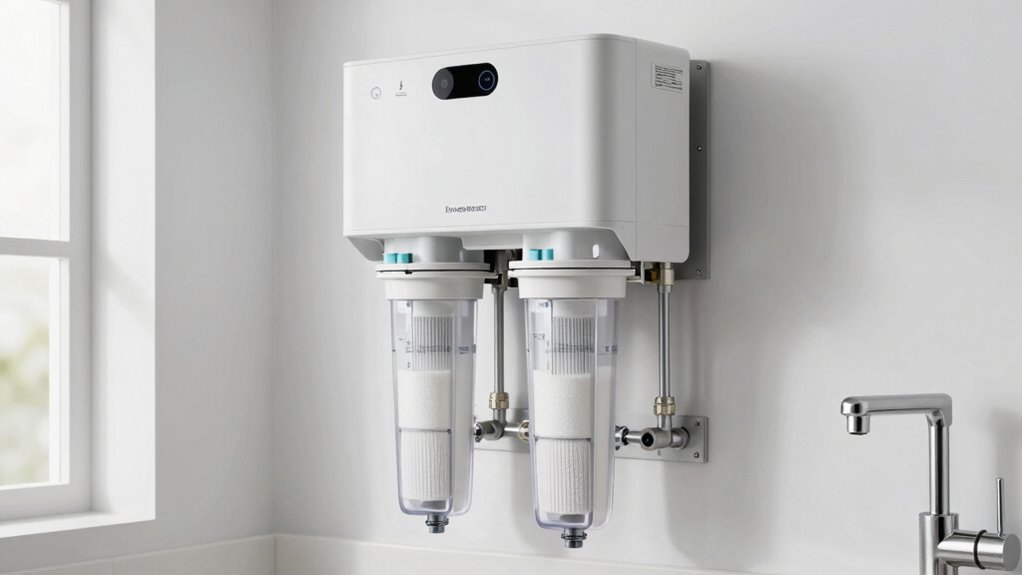 15 Best Reverse Osmosis Systems for Well Water in 2026 - Perfect Fit Living
The Top Contenders for Your Well Water Throne
Now, let’s talk about the actual RO systems that won’t quit. Think of these as the rugged SUVs of the water world—not fancy sports cars.
1. The iSpring RCC7AK – This is the people’s champ. It’s like that reliable pickup truck that never complains. It comes with a UV filter option, which is like giving your water a quick tan to kill any rogue bacteria. Well water sometimes has bacteria—it’s nature, not a horror movie—so the UV is a smart add-on.
2. The APEC Water Systems RO-90 – This one is the overachiever. It has a booster pump built-in, which means even if your well pressure is as weak as a limp handshake, this system will push water through. It’s like putting a turbo kit on a lawnmower. It’s serious business.
 4 Best Reverse Osmosis System for Well Water, Plus 1 to Avoid (2021
3. The Home Master TMAFC – This one is the clever kid in class. It has a permeate pump that reduces waste water, so you don’t feel guilty about sending good water down the drain. Plus, it adds a remineralization stage, so your water doesn’t taste like a blank canvas. It’s like adding salt to your popcorn—just right.
Installation: The Saturday Afternoon Project
Installing one of these isn’t rocket science, but it’s not exactly Lego either. You’ll need to drill a hole in your countertop or sink drain, which feels terrifying. I did mine and spent the next hour checking for leaks like a paranoid parent checking on a sleeping baby. Spoiler: it was fine.
Most systems come with a step-by-step video that makes it look easy. It’s not easy, but it’s doable. If you’re the type who cries over IKEA furniture, just hire a plumber. It’ll cost you about the price of a nice dinner, and you won’t have to explain to your spouse why there’s water on the floor.
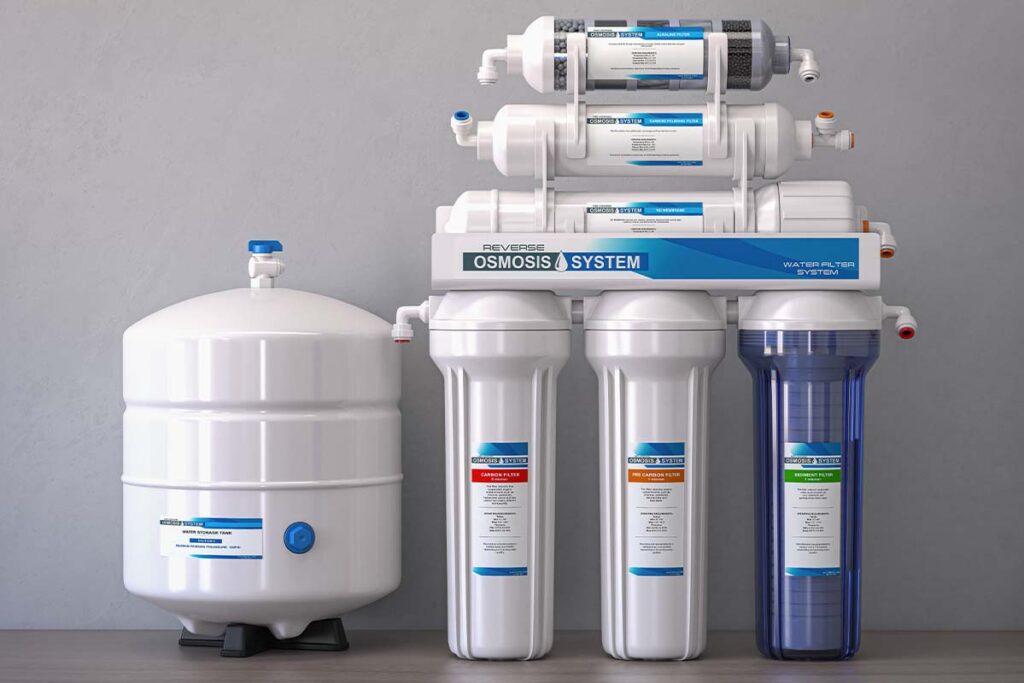 How to Install Reverse Osmosis Drinking Water System: Easy Steps Guide
The Bottom Line: Just Do It
Look, living with well water is a badge of honor. But you don’t have to drink the badge. A good reverse osmosis system changes everything. You’ll sip water that tastes like it came from a mountain spring, not a rusty pipe. Your coffee will taste like coffee, not like the inside of a well pump.
Your ice cubes will be clear and proud. And when your city-folk friends visit, you can pour them a glass with a smug smile. “Try it,” you’ll say. “It’s from my well. But don’t worry—I have a bouncer for that.”
Cheers to water that’s crisp, clean, and free of drama.
