Best Water Filtration System For Whole Home

There’s a certain romance to turning on your tap and knowing the water flowing out isn’t just clear—it’s clean. No metallic tang, no chlorine hangover, no mysterious sediment...

There’s a certain romance to turning on your tap and knowing the water flowing out isn’t just clear—it’s clean. No metallic tang, no chlorine hangover, no mysterious sediment that makes you eye your morning coffee with suspicion. A whole-home water filtration system is the unsung hero of modern domestic bliss, like a silent bouncer for your pipes. And let’s be honest: after a decade of reading about microplastics and PFAS (the “forever chemicals” that sound like a synth-pop band from the 80s), we all deserve a beverage that doesn’t come with a side of existential dread.
The first thing to know? Not all water is created equal, even if it comes from the same municipal tap. Your water’s personality depends on where you live—hard water in the Midwest, chlorine in the suburbs, well water with a gossip-worthy mineral profile in rural areas. A whole-home system treats every drop that enters your house, from the shower head to the kitchen faucet to the ice maker. It’s the difference between a hotel lobby filter and a full-service spa for your plumbing.
Why Go Whole-Home? The Case for Maximum Coverage
If you’ve been relying on a pitcher filter, you’re basically using a paper towel to mop a flood. Pitchers are great for a single glass, but they don’t touch the water you shower in, brush your teeth with, or use to wash your organic kale. Your skin absorbs chlorine like a sponge, and your hair can turn brittle or brassy from mineral buildup. Trust me, your conditioner isn’t that powerful.
Must Read
A whole-home system tackles the water at its entry point, usually where the main line meets your house. This means every tap in your home gets the VIP treatment. You’ll notice softer laundry, clearer shower water, and appliances that stop dying of limescale ennui. It’s the kind of upgrade that makes your plumber nod in approval and your water heater whisper, “Thank you.”
The Main Contenders: Which System Fits Your Life?
Let’s talk hardware without getting too engineer-y. You’ve got three primary paths, and your choice depends on your water’s drama level and your budget’s chill factor.
 10 Best Whole Home Water Filtration Systems
1. The Whole-Home Carbon Filter: The Reliable Workhorse
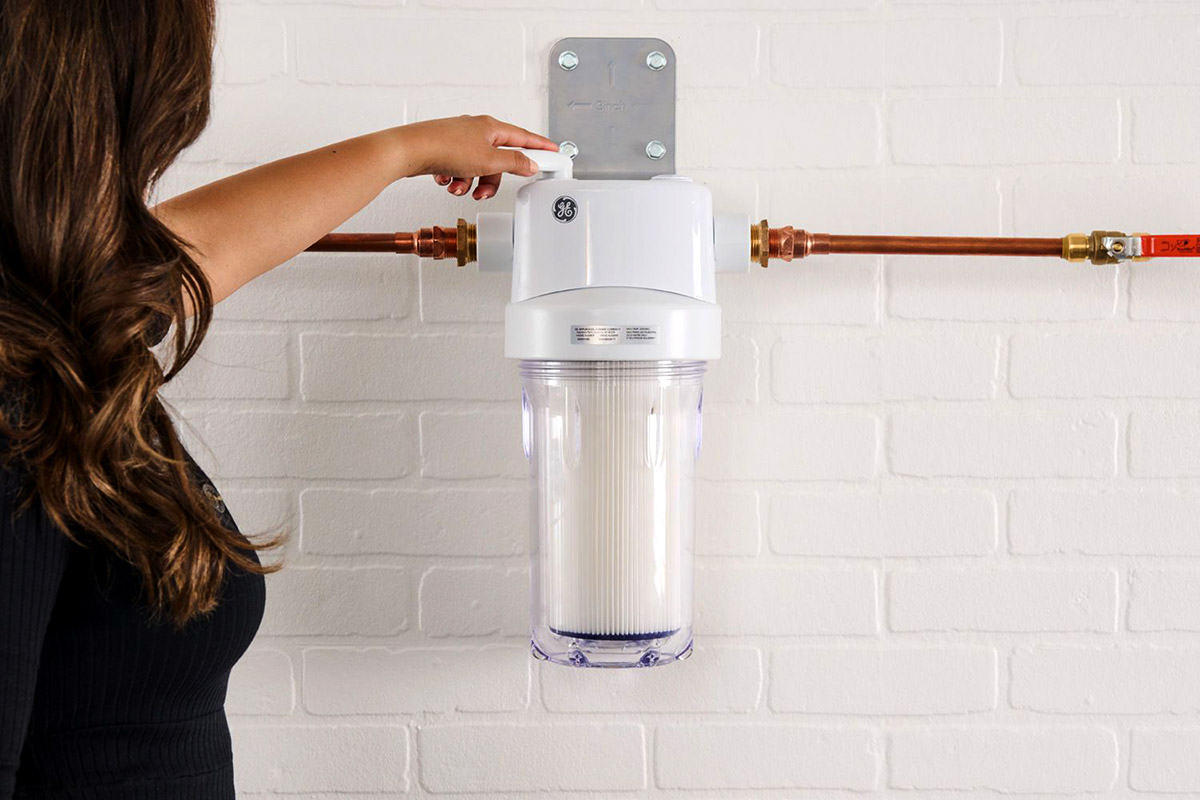
Think of this as the denim jacket of water filtration—classic, versatile, and does the job for most people. Carbon filters are great at removing chlorine, bad tastes, odors, and some volatile organic compounds. They’re affordable, low-maintenance, and install directly on your main line. For city water with standard issues, this is your golden ticket. Fun fact: Activated carbon is so porous that one gram has a surface area the size of a football field. Your water is basically getting a deep-clean by tiny sponges.
2. The Reverse Osmosis (RO) System: The Perfectionist
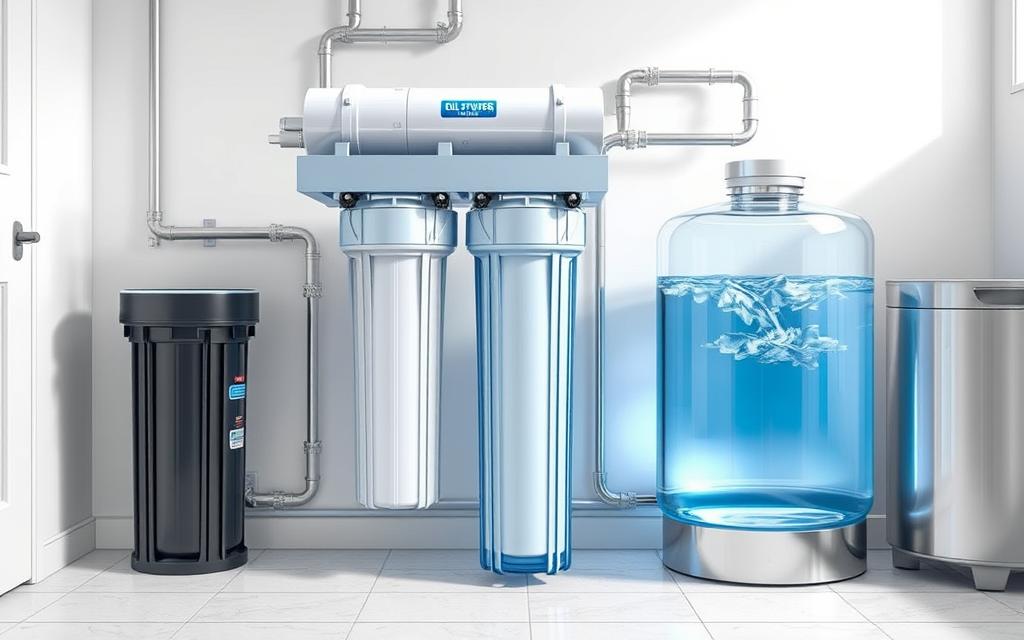
RO systems are the prep chef of filtration—they nuke out everything: lead, arsenic, fluoride, pesticides, even some bacteria. They use a semi-permeable membrane that’s so fine, only water molecules pass through. The trade-off? They’re slower, produce wastewater (think of it as a sacrifice for purity), and can strip water of beneficial minerals. For well water or areas with heavy contamination, this is your fortress. Plus, you’ll feel like a cybersecurity expert guarding your hydration.
 What Is The Best Whole House Water Filtration System | Storables
3. The Salt-Based Water Softener: The Smooth Operator
This isn’t strictly filtration; it’s ion exchange—science speak for “magic that makes hard water soft.” Hard water is rich in calcium and magnesium, which leaves scale on faucets and soap scum on tiles. A softener swaps these minerals for sodium or potassium, giving you silky, lather-friendly water. You’ll skip the bottle of vinegar and dreading the showerhead descaling Sunday. Just know it adds a tiny bit of salt to your water (usually undetectable), but it’s a fair trade for zero limescale.
Practical Tips: Picking Your Perfect Setup (Without Overthinking)
First, test your water. You can buy a simple kit online or call your municipality for a report. It’s like a personality quiz for your plumbing. Do you have hard water, high chlorine, or traces of lead? That answer narrows your options fast. If you’re on well water, get a full lab test—it’s the difference between a cake mix and a custom bakery order.
 WHOLE HOUSE WATER FILTERS - Express Drainage Solutions
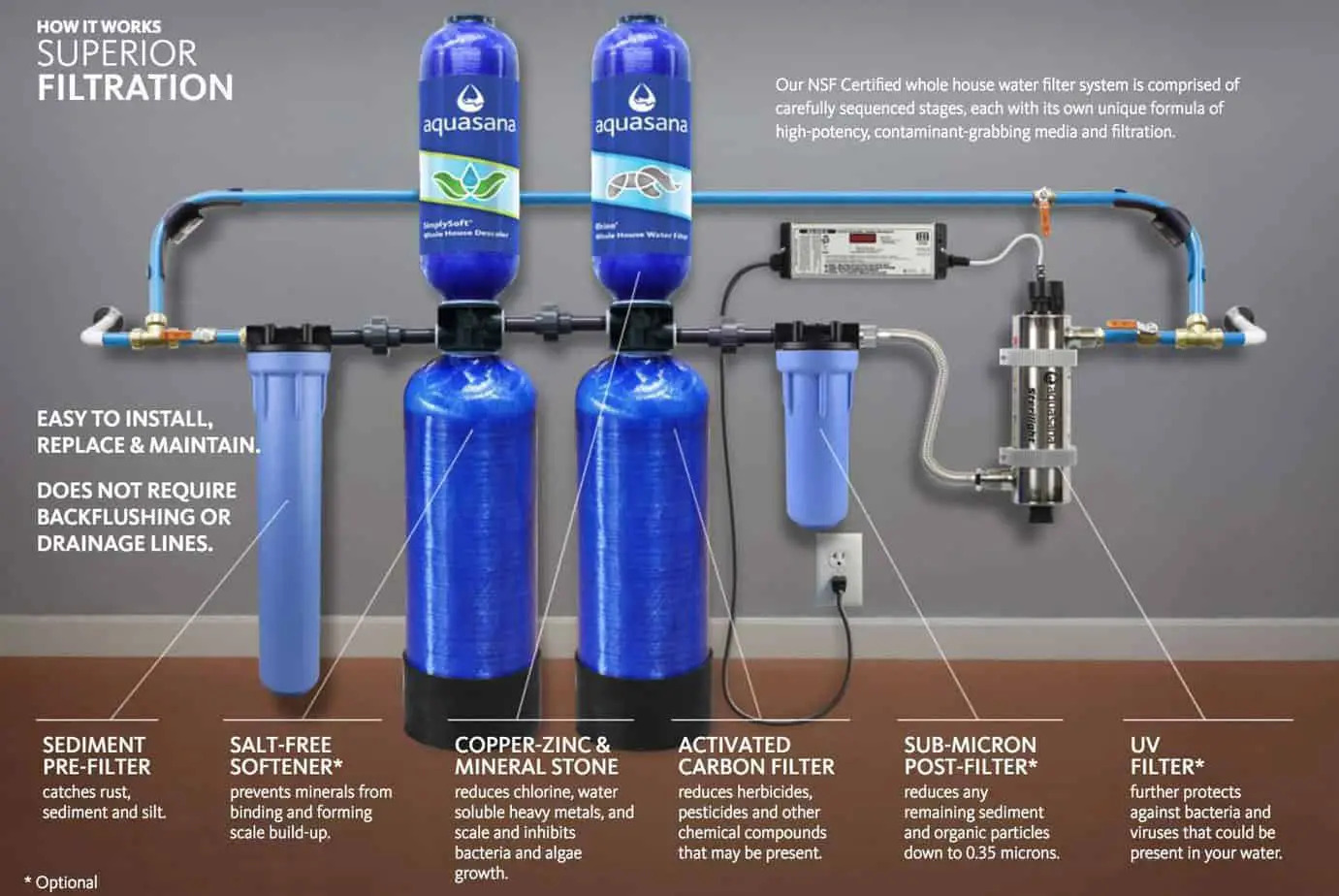
Second, consider a combination system. Many modern setups pair a sediment pre-filter with a carbon filter and, if needed, a softener. It’s like ordering a multi-course meal for your water: first course catches dirt, second removes chemicals, third softens the final pour. You can also add a UV light for bacteria if you’re rural and paranoid (in a good way). Brands like Aquasana, iSpring, and Pelican are solid bets—read reviews like you’re picking a Netflix show, but with less cancellation.
Third, don’t forget installation and maintenance. Some systems require professional installation (especially those with tank or backwashing features). If you’re handy, you can DIY carbon filters, but a small mistake can flood your basement. Budget for replacement filters every six to twelve months. It’s like changing your car’s oil—skip it, and your system gets cranky. A good rule: spend 10% of the system’s cost annually on upkeep.
 Best Whole House Reverse Osmosis Water Filter Guide
Cultural Refresher: Why This Matters Beyond Your Tap
Water filtration isn’t just a trend; it’s a return to instinct. Ancient Romans built aqueducts and used settling tanks. Your grandma probably let tap water sit on the counter to dechlorinate. In Japan, some people still use filtered water for tea ceremonies, treating every sip as an art. When you invest in a whole-home system, you’re joining a quiet revolution: the fight against unregulated chemicals and the embrace of simple, clean living. Plus, you’ll avoid those plastic bottles forever—your recycling bin will thank you.
Fun fact: The average American uses 80–100 gallons of water per day. A whole-home system ensures every gallon is premium, not just the ones you drink. That shower? It’s rinsing your skin with low-chlorine luxury. That dishwasher cycle? It’s running with soft water, meaning less detergent and fewer shattered glasses. Totally worth the investment in your sanity.
Connecting It All to Daily Life
In the end, the best water filtration system is the one you forget about—because it works. You’ll stop smelling chlorine when you step out of a shower. Your tea will taste like, well, tea. And you’ll pour yourself a glass of water without a second thought, trusting it’s pure. That’s the quiet luxury of modern life: small, invisible infrastructure that lets you focus on what actually matters. Like that morning cup, the afternoon refill, or the midnight gulp after a long day. It’s just water, but it’s your water. And that makes all the difference.
