Best Point Of Entry Water Filtration System

So, you’re thinking about a whole-house water filter, huh? That’s like giving your home a refreshing drink from a clean glass, instead of letting it gulp from a muddy puddle....
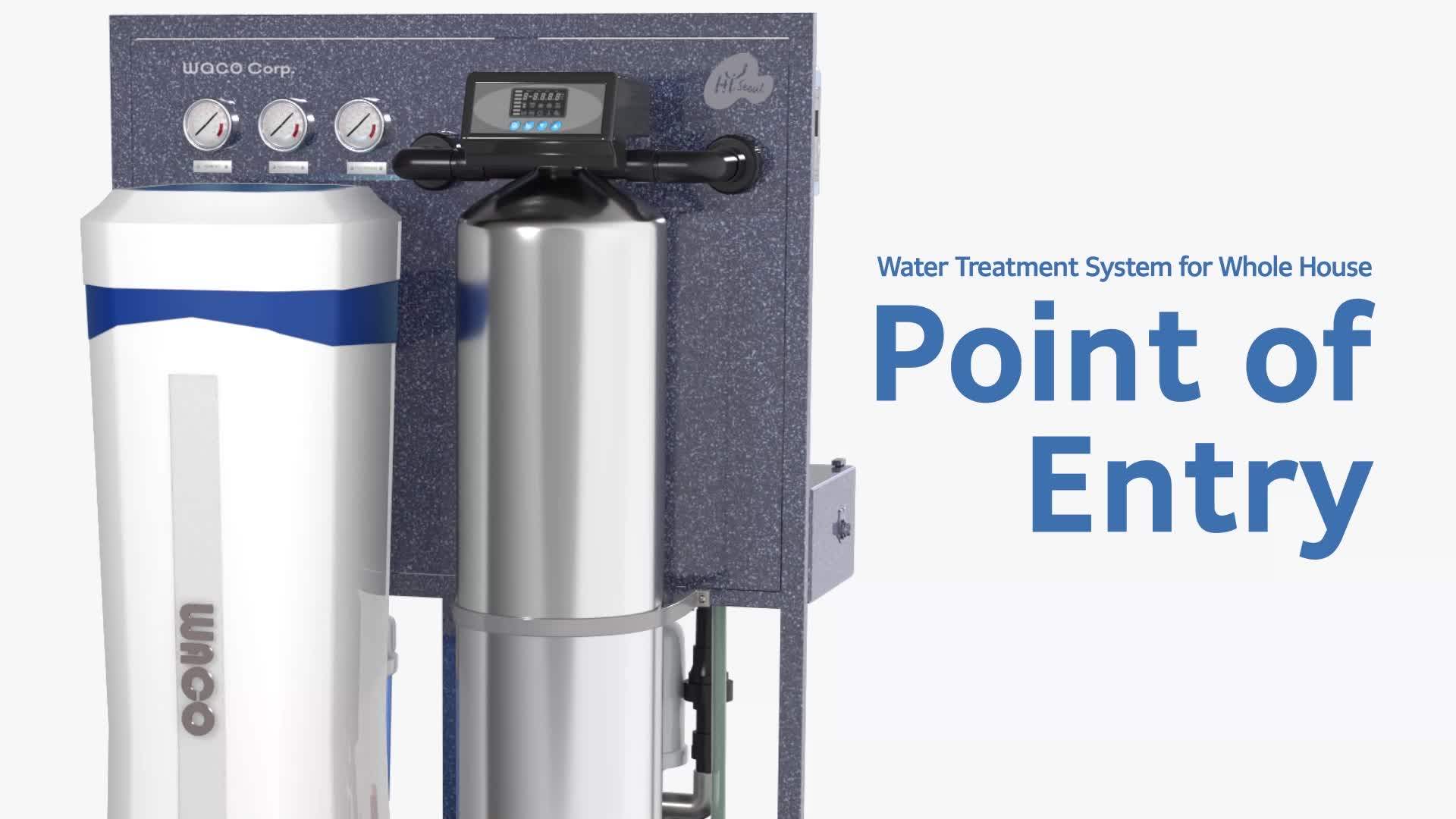
So, you’re thinking about a whole-house water filter, huh? That’s like giving your home a refreshing drink from a clean glass, instead of letting it gulp from a muddy puddle. We’re talking about the best point of entry water filtration system—the big kahuna that treats every drop before it touches a pipe, a shower, or your favorite coffee mug. Let’s dive in, shall we? No snorkel required.
What’s a Point of Entry System, Anyway?
Think of it as the bouncer at the club of your home’s plumbing. It stops the riffraff—sediment, chlorine, weird tastes—right at the front door. No more rusty water ruining your white laundry or that eau de swimming pool smell from your shower. It’s the VIP pass for every faucet, toilet, and ice maker in the house.
You’ve got two main types: sediment filters that catch dirt and rust, and carbon filters that tackle chemicals and bad smells. Some fancy models even toss in UV light to zap bacteria, like a tiny sci-fi ray gun for your water. Pick the one that matches what your water is hiding—test it first, or your neighbors might think you’re brewing swamp tea.
Must Read
Why You Need One (Besides Avoiding Chlorine Hair)
Let’s be honest: nobody wakes up thinking, “I hope my shower water tastes like a public swimming pool.” A whole-house filter keeps your skin happy, your hair shiny, and your pipes from turning into gunk museums. Plus, it protects your appliances—your washing machine and dishwasher will thank you with longer lives and fewer repair bills.
And here’s the kicker: it saves money in the long run. No more buying bottled water by the truckload, no more “I’ll just boil this” charades. You get clean, tasty water from every tap, which is basically the equivalent of a high-five from your plumbing system. You’re welcome, future you.
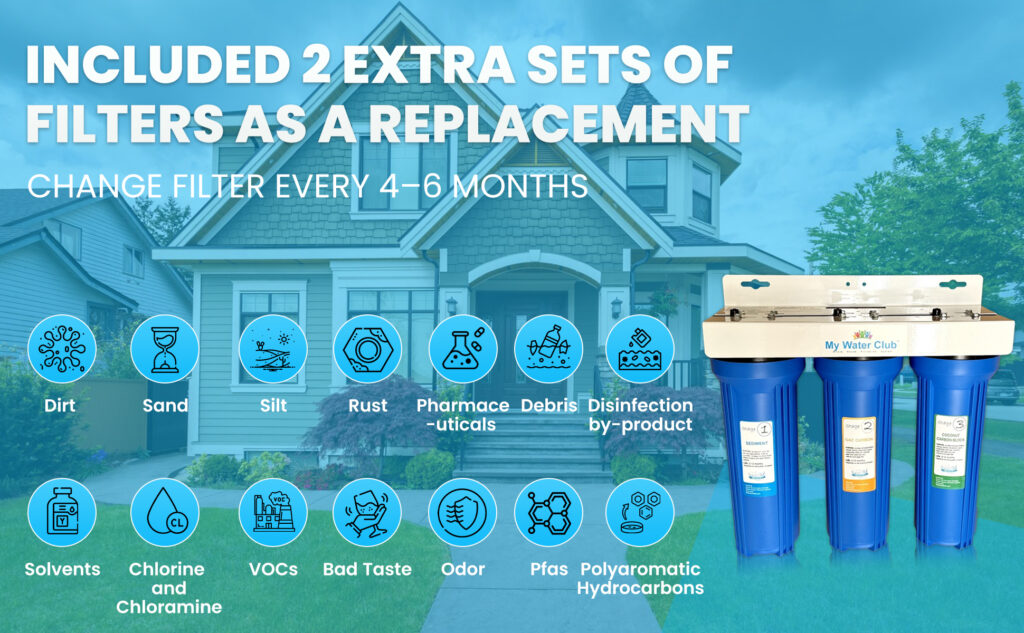 3-Stage Whole House Water Filter System with 2 Premium Extra Filter
Picking the Right System: No Rocket Science Needed
First, figure out your enemy. Got well water with sand and silt? You need a sediment pre-filter that’s tougher than a toddler’s grip on a cookie. City water with chlorine? A carbon filter is your best friend—it’ll suck that chemical taste right out, like a vampire with a vendetta against ick.
Then, consider flow rate. You don’t want your filter to turn a shower into a sad drizzle. Look for systems that handle at least 10 gallons per minute for a standard house—unless you plan to run a car wash in your basement. Size matters too; bigger filters last longer, but they need more space. Measure your utility closet before you buy, or you’ll end up with a filter that doubles as a doorstop.
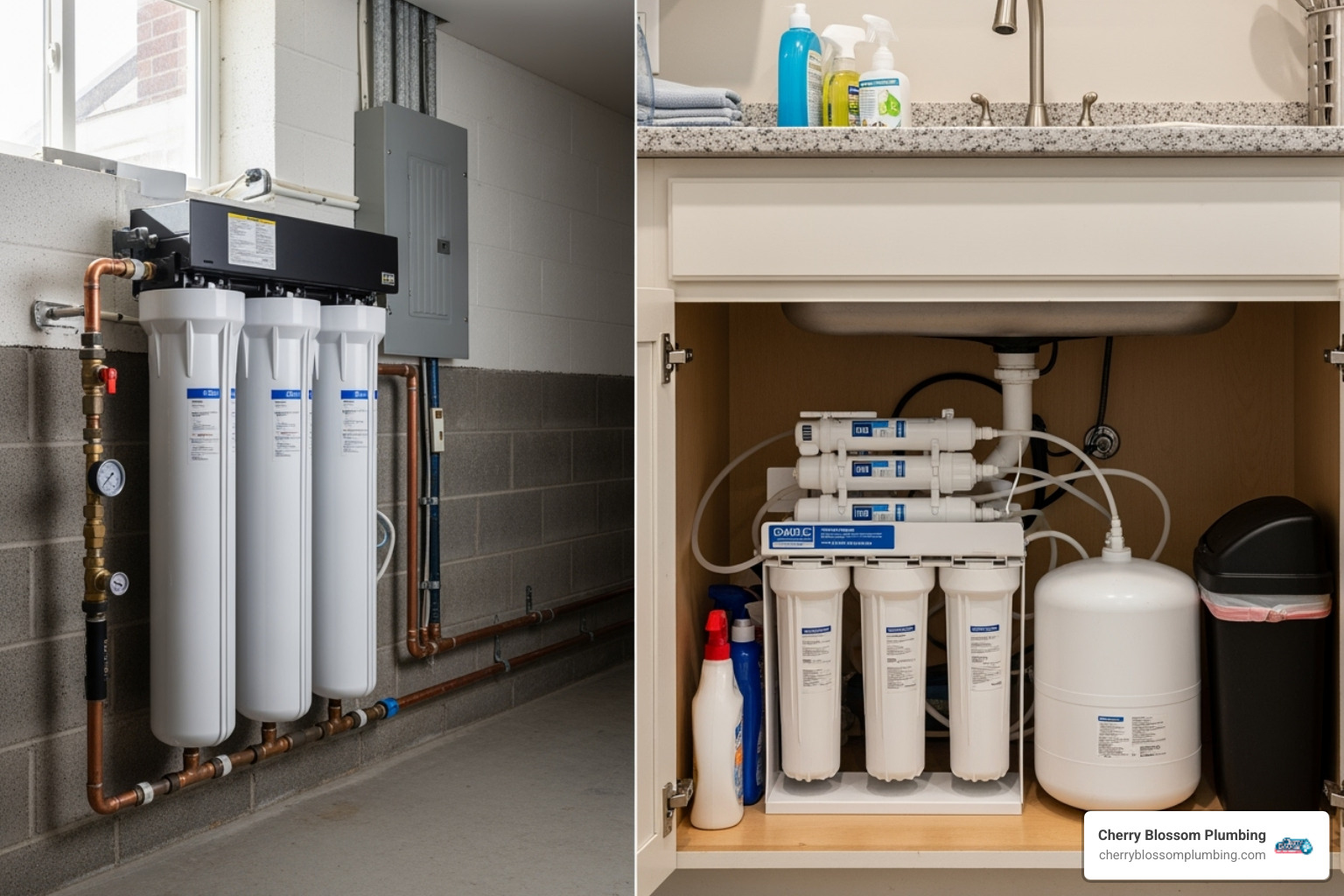 Whole House Water Filtration: Ultimate Purity 2025
The Classic Setup: Sediment + Carbon
This combo is the bread and butter of point of entry systems. A sediment filter catches the big stuff (rust, sand, your lost earring), and a carbon filter removes chlorine, odors, and weird tastes. It’s like the buddy cop movie of water filtration: one handles the grunt work, the other cleans up the mess. Budget-friendly and effective for most homes—no drama, just clean water.
The Fancy Upgrade: Add a Water Softener
If you live in an area with hard water (scale buildup on faucets, soap scum in showers), add a water softener after the sediment filter. It swaps out calcium and magnesium for sodium, making your water feel silky smooth—like a spa day for your pipes. Your skin will glow, your glasses will sparkle, and your coffee maker will stop throwing tantrums. Just don’t drink the softener water if you’re on a low-sodium diet; keep a bypass line for drinking taps.
The Ultra-Elite Option: Whole-Home Reverse Osmosis
This is the Cadillac of systems, but it’s pricey and wastes some water (about 3-4 gallons for every clean gallon). It removes everything—lead, arsenic, pharmaceuticals, even your neighbor’s leftover regret. Perfect for paranoid perfectionists or folks with really sketchy well water. But honestly, for most people, a simpler carbon-plus-sediment setup is overkill-proof and easier on the wallet.
 Point-Of-Use Water Treatment Examples at Judy Acosta blog
Installation: DIY or Call the Pros?
If you can change a tire and don’t mind a few wrenches, a basic sediment-carbon system is totally DIY-able. They usually come with hoses and fittings that are about as tricky as assembling a LEGO castle (but with less colorful bricks). YouTube tutorials are your friend—just don’t watch them while holding a pipe wrench near a live water line. Trust me, your floor doesn’t need a surprise shower.
For complex setups like water softeners or UV systems, call a plumber. It’s worth the cash to avoid flooding your basement and ending up in a TikTok fail compilation. A professional will also handle permits and codes, which is great because municipal inspectors do not appreciate “I winged it” as a compliance strategy.
 Point Of Entry Water Filter Treatment System | (Fully Explained)
Maintenance: Keep It Happy, Keep It Clean
Filters need changing—every 3 to 12 months, depending on usage and water quality. Mark it on your calendar, set a phone reminder, or tie a string around your finger (the old-school way). Change it on time, or your system becomes a breeding ground for bacteria, which is basically a free petri dish you never asked for. Yuck.
Most systems have a simple twist-off canister that takes 10 minutes. If you forget, your water pressure drops, and you’ll start wondering why your shower feels like a frustrated garden hose. Don’t be that person—your filter deserves better, and so does your Sunday morning shower.
The Smile-Worthy Conclusion
So there you have it: the best point of entry water filtration system is the one that fits your home, your budget, and your water’s personality. It’s like picking a puppy—some are low-maintenance, some are fancy, but all of them make life better. Once you install it, every glass of water tastes like victory, every shower feels like a mountain stream, and your laundry stops looking like it went through a mud fight. Go ahead, treat your house to the clean water it deserves. Your pipes will sing, your skin will glow, and you’ll finally stop making those “ew, tap water” faces when guests ask for a drink. Cheers to that—now, go make some lemonade with your new, perfect water. You’ve earned it.
