Best Whole House Water Softener Consumer Reports

The first time I realized my hair felt like straw—and not the good, decorative kind—was after a weekend at my in-laws’ lake house. Their water was so soft, my skin actually re...
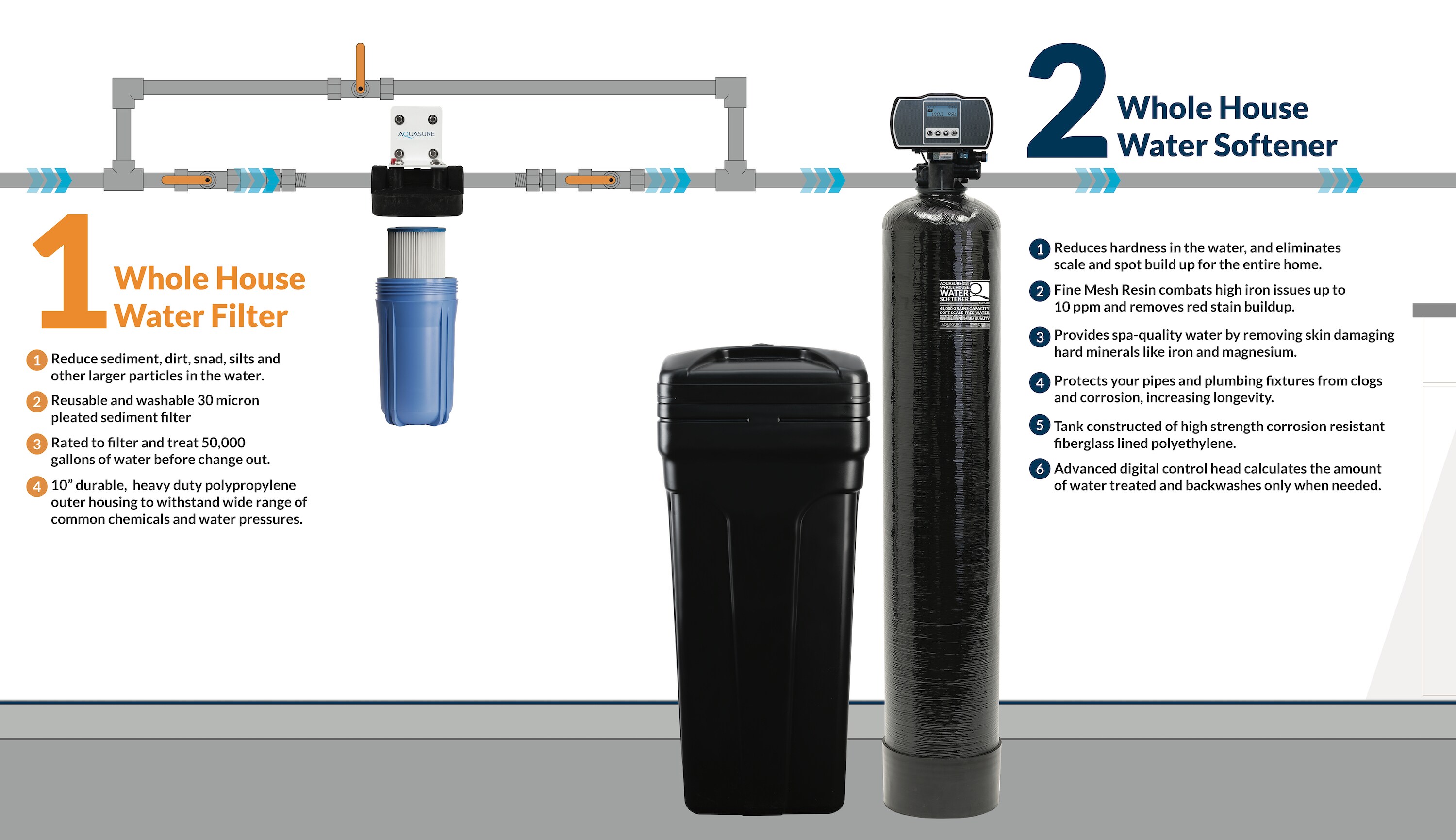
The first time I realized my hair felt like straw—and not the good, decorative kind—was after a weekend at my in-laws’ lake house. Their water was so soft, my skin actually remembered what moisture meant. Then I came home to my own shower, and it felt like I was rinsing with liquid chalk. That’s when the whole “hard water is a silent marriage killer” thing started to make sense.
Look, nobody wakes up dreaming about water softeners. But if you’ve ever scrubbed a white film off your coffee pot or watched your water heater groan like an old man, you’re already in the market. You just don’t know it yet. So, let’s talk about what Consumer Reports actually tells us—and what they don’t—about the best whole house water softeners.
Why You Can’t Just Buy the Most Expensive One
Consumer Reports is great at testing things like salt efficiency and regeneration cycles. But here’s the irony: a $2,000 system won’t fix your water if your house has weird plumbing or a well that pumps out iron like a rusty pipe. They’ll tell you that Fleck and Morton brands often top the charts for reliability, but they won’t mention how annoying it is to carry those salt bags up from the basement. (You’re welcome.)
Must Read
The real takeaway? Size matters. A unit rated for 48,000 grains sounds impressive, but if your family of five takes back-to-back showers, you’ll run out of soft water faster than you can say “hard water stains.” Consumer Reports loves to stress that you need to match the system to your household’s daily usage, not just the number of bathrooms.
The “Best” Picks That Actually Work
Fleck 5600SXT: The Reliable Workhorse
This is the one Consumer Reports keeps on their “best value” list. It’s not flashy, but it’s built like a tank—literally, the valve is used in commercial systems. The downside? You’ll need a basic understanding of programming a digital timer, which is like setting a microwave from 1987. But once it’s running, it just works. No drama, no leaks, no complaints.
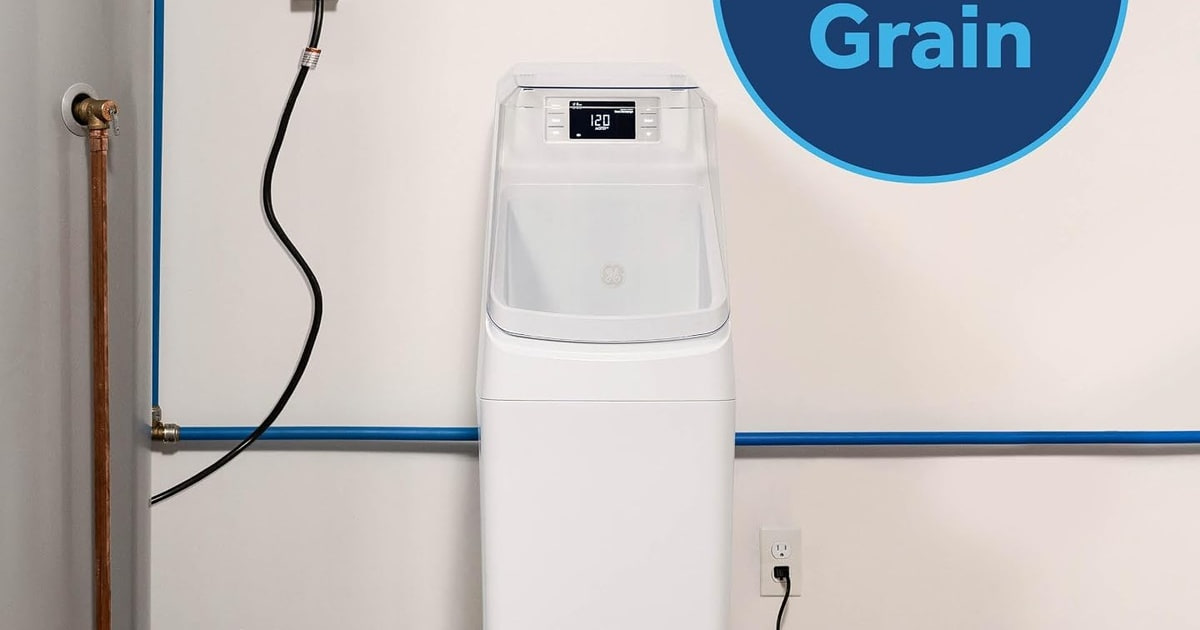 The 8 Best Whole House Water Softeners for Hard Water in…
Morton M27: The “Set It and Forget It” Choice
If you hate fiddling with settings, this is your guy. Morton’s system is almost plug-and-play, and Consumer Reports gives it high marks for its efficiency—it wastes less water during regeneration. But here’s the catch: it’s not the best for high-iron water. If your tap water smells like a swamp, skip this one. You’ll just be replacing resin beads every six months.
Whirlpool WHES30E: The Family-Friendly Option
This model is a crowd favorite because it actually tells you when salt is low. No more guessing. Consumer Reports loves that it handles 30,000 grains, which is perfect for a family of four. The irony? Whirlpool is known for washers and dryers, but their water softener is quietly the most user-friendly on the market. Just brace yourself: the plastic frame feels a little flimsy, but it holds up.
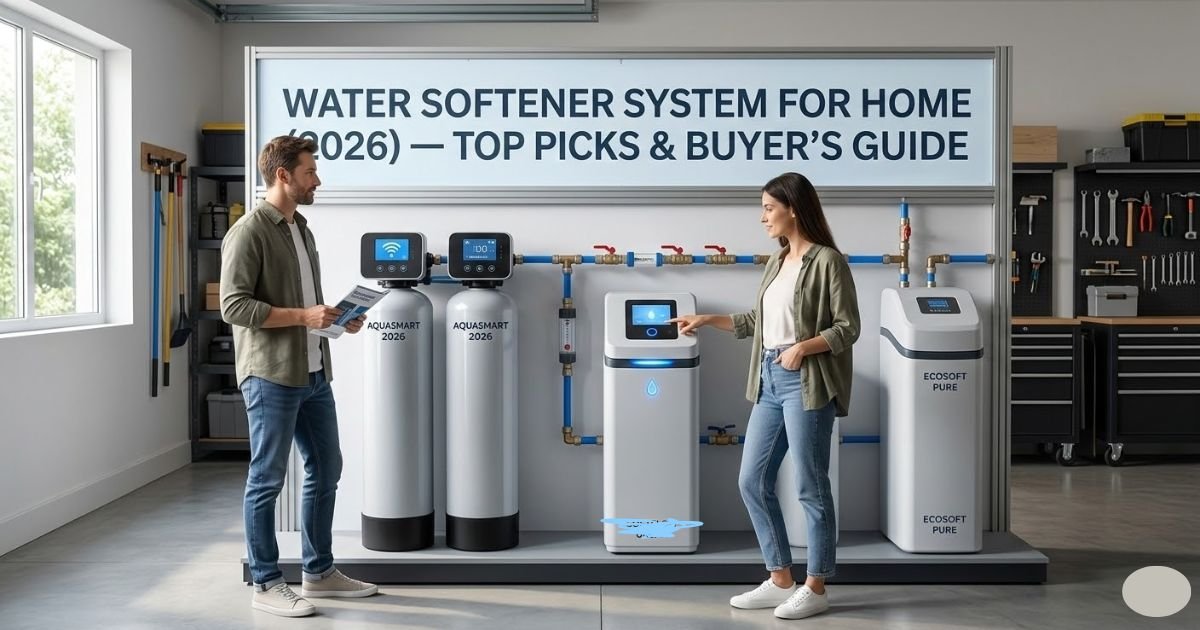 Best Whole House Water Softener System for Home (2026) — Top Picks
The Hidden Costs Nobody Warns You About
Here’s the part Consumer Reports doesn’t put in bold letters: maintenance. A water softener isn’t a “buy it and forget it” appliance. Salt costs money. Electricity for the timer costs money. And if you have a well, you’ll need to flush the system with resin cleaner every few months, or your softened water will start tasting like a salt lick. Ask me how I know.
Also, don’t forget the installation. A pro will charge you $300 to $800, depending on how creative your basement pipes are. If you’re handy, you can DIY it, but you’ll probably end up with a small flood in your laundry room. (Not speaking from experience. Definitely not.)
 Best Whole House Water Softener Consumer Reports 2025
The Final, Honest Take
Is a whole house water softener worth it? Yes, if you hate cleaning scale off your faucets or if your water heater is about to retire early due to mineral buildup. But don’t believe the marketing hype that says a $1,500 system will make your water taste like spring rain—it won’t. Soft water feels silky, but it can also feel “slimy” until you get used to it. Consumer Reports will tell you that the best system is the one that fits your specific water chemistry, not the one with the fanciest digital screen.
So, take my advice: test your water first. Buy a $10 test kit, or call your city utility for a report. Then, pick a system that matches your family’s shower habits and your patience level for maintenance. And when you see that first shiny, spot-free glass come out of the dishwasher? You’ll know you made the right call. Just don’t forget to buy extra salt.
/SPR-HOME-8-best-water-softeners-4158685-2cd130fa5273472f8e55deba5173f706.jpg)
