What Are The Best Whole House Water Filtration Systems

So there I was, last Tuesday, staring at a glass of tap water that looked like it had been strained through a muddy sock. My wife took one sip, made a face I can only describe...
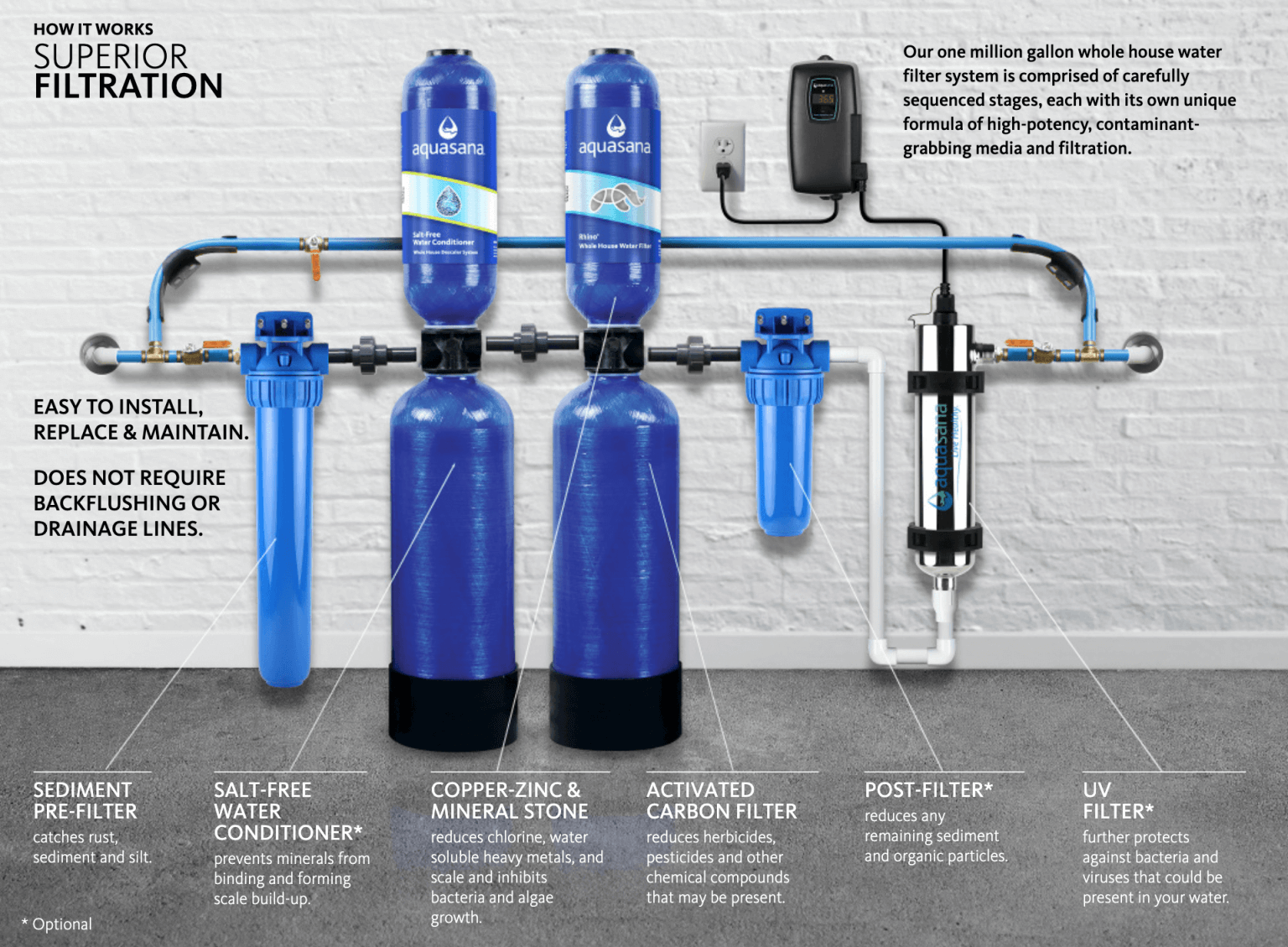
So there I was, last Tuesday, staring at a glass of tap water that looked like it had been strained through a muddy sock. My wife took one sip, made a face I can only describe as “betrayed by plumbing,” and said, “We need a whole house system. Yesterday.” Sound familiar? You’re not alone—and honestly, you’ve probably been putting it off because, let’s face it, the options are overwhelming.
That moment of disgust? It’s actually the perfect hook to dive into whole house water filtration. Because here’s the truth: that murky glass isn’t just about taste—it’s a sign that your entire home is dealing with sediment, chlorine, or worse. But don’t worry, I’ve done the dirty research so you don’t have to drink the confusion.
Why You Should Bother With A Whole House System (And Not Just A Faucet Filter)
Look, a Brita pitcher is great for your coffee—but it does squat for your shower, your washing machine, or that expensive espresso machine you bought during lockdown. A whole house filtration system hooks into your main water line, meaning every tap, every showerhead, and every toilet gets the good stuff. Imagine never smelling chlorine when you brush your teeth again. Heaven, right?
Must Read
But here’s the kicker: the “best” system depends on your water’s personality. If you’re on city water, you’re fighting chlorine and chloramines. If you’re on a well, you’re battling sediment, iron, and maybe even bacteria. So the first step is to test your water—yes, there are cheap kits on Amazon. Do it. I’ll wait.
The Top Contenders (From A Guy Who Screwed Up Twice)
1. The Aquasana Whole House System: The Fan Favorite
This one wins for value and ease. It uses a two-stage filter (sediment and carbon) that handles chlorine, chloramines, and bad tastes for a typical family of four. No electricity, no backwashing, and it installs in about an hour. The downside? If your water has heavy metals like lead, you’ll need to add a separate filter. But for most city dwellers, it’s the “set it and forget it” champ.
:max_bytes(150000):strip_icc()/aquasana-whole-house-well-water-filter-system-68651cbaa66a4921b287057afec93edf.jpg) The 8 Best Whole House Water Filters of 2024 to Improve Your Water Quality
The 8 Best Whole House Water Filters of 2024 to Improve Your Water Quality
One thing I love? The customer reviews are packed with people saying, “My skin feels softer.” Your skin will thank you. Your hair will stop screaming. You’re welcome.
2. The iSpring WGB32B: The Budget Workhorse
Okay, if your wallet is tight—and whose isn’t right now?—this is the best bang for your buck. It’s a three-stage system that does sediment, carbon, and a fine carbon polish. For about $350, you get clean water for a whole family. The catch? The filters need replacing every 3–6 months, and they can clog faster if your water is really gritty. But for the price? It’s almost cheating.
Pro tip: Buy the pressure gauge accessory. Trust me, your water pressure will dip a little with any system; this one tells you when it’s time to swap filters before you cry into a slow shower.
 5 Highest Rated Whole House Water Filtration Systems 2026
3. The SpringWell CF1: The “I Want No Maintenance” Option
This is for the lazy geniuses (that’s a compliment). The SpringWell uses a tank-based system that self-cleans with a backwash cycle. You install it, set a timer, and it flushes itself automatically. It is gorgeous for well water with iron or sediment. Price? Around $900—ouch—but it lasts 10+ years with minimal filter changes. If you hate chores, this is your soulmate.
Just be warned: it’s big. You’ll need a basement or a garage. I tried fitting mine in a crawlspace and ended up looking like an angry turtle.
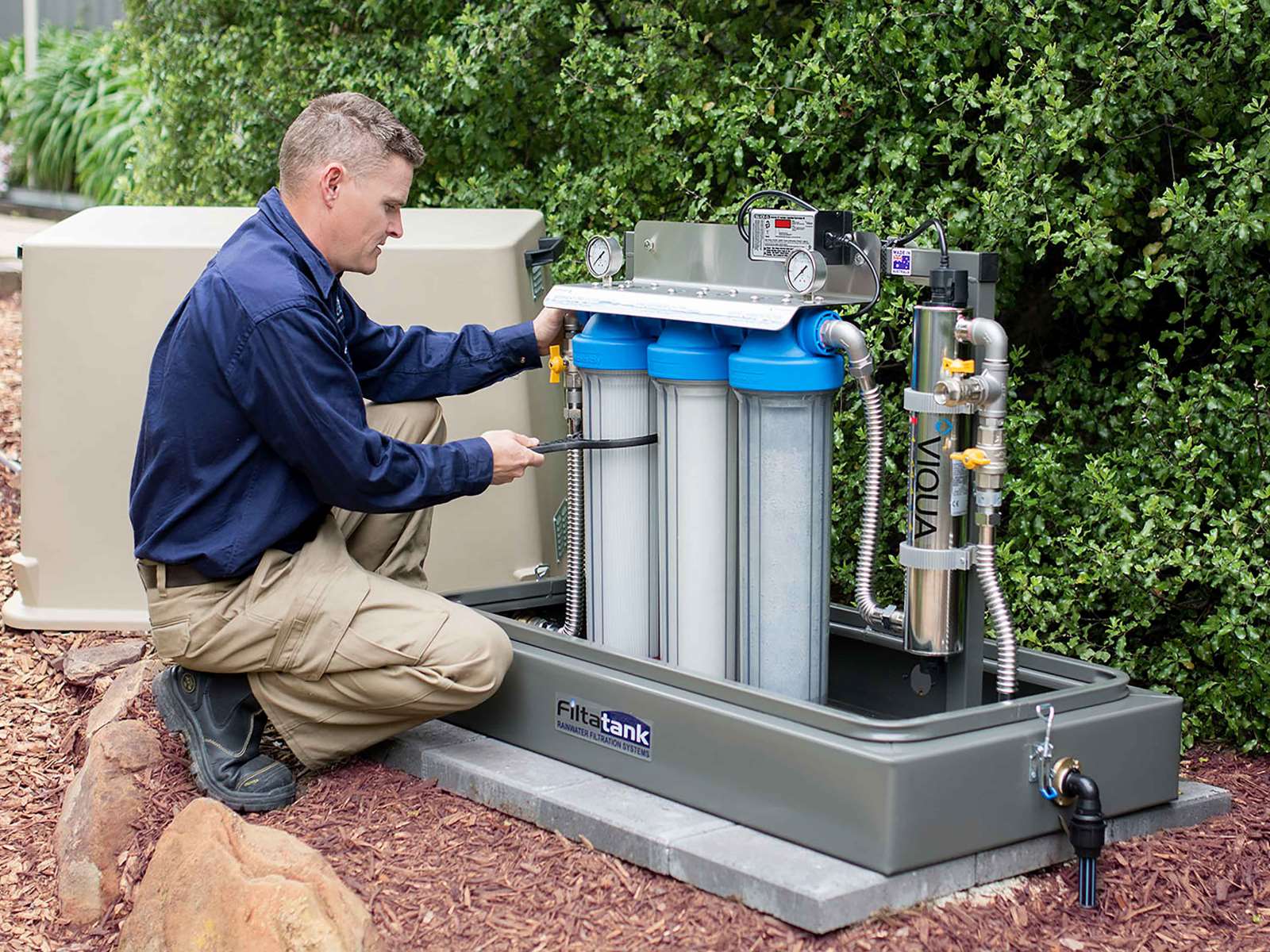 What Is A Whole House Water Filtration System | Storables
The “Dirty Secret” Nobody Tells You About
Here’s the ironic part: no whole house system makes water safe to drink in the “sterile” sense. If you want to remove viruses, bacteria, or heavy metals completely, you need a reverse osmosis (RO) system under your sink for drinking water. Whole house systems improve your shower and pipes; RO systems make your coffee taste like mountain spring. They work together, like a dream team.
So when you see a $2,000 system claiming to do everything? Be skeptical. Read the fine print. I once bought a “miracle” system that needed salt refills every week—my wallet still weeps.
How To Choose Without Losing Your Mind
Start by asking two questions. First: Are you on city water or well water? Second: What’s your budget—just the unit, or installation too? For city water, go with the Aquasana or iSpring. For well water, SpringWell or a dedicated iron filter. Do not buy a system from a random door-to-door salesperson; I did that once and ended up with a plastic tank that leaked on my new floor. Let’s just say I learned a lesson.
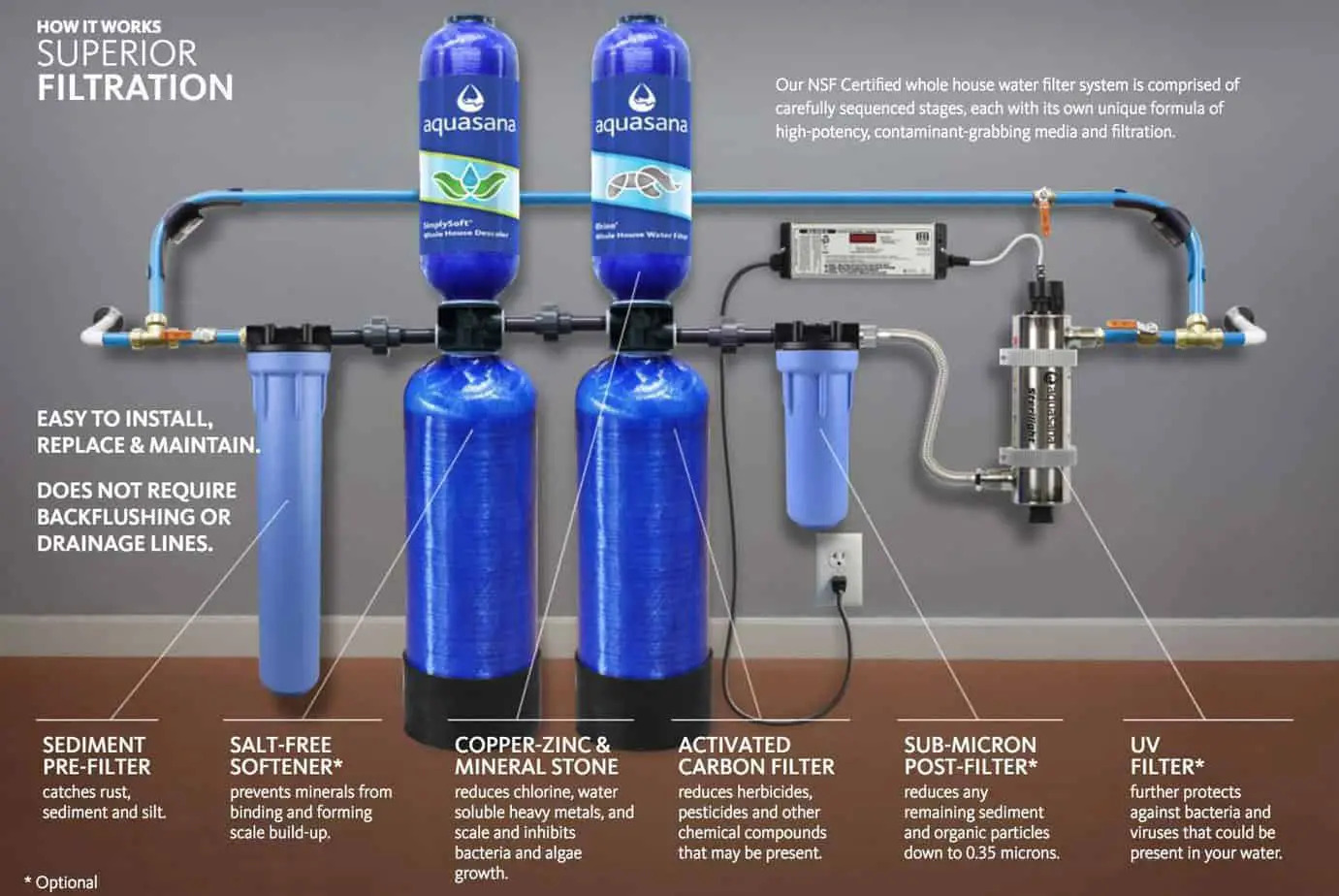 WHOLE HOUSE WATER FILTERS - Express Drainage Solutions
Also, check your flow rate. Most systems can handle 10–15 gallons per minute (GPM). If you’ve got a big family running two showers and a dishwasher at the same time, make sure you pick one rated for at least 12 GPM. Otherwise, you’ll be the person yelling, “Who’s using the water?!”
The Bottom Line (Yes, It’s Worth It)
After a year with my Aquasana, here’s what I noticed: no more “pool smell” from the tap, my coffeemaker stopped getting clogged with scale, and my skin stopped itching in the winter. It’s not sexy, but it’s a quality-of-life upgrade that pays for itself. Plus, you’ll never have to drink that muddy sock water again.
So go ahead—pick a system, test your water, and enjoy the hell out of a clean shower. And hey, if you end up with a SpringWell, visit me in the crawlspace. I brought snacks.
