What Is The Best Water Softener And Filtration System

Let’s be honest: nobody wakes up dreaming about water softeners. You’re probably thinking, “Do I really need one?” or “Aren’t they all just expensive metal boxes?” I get it. B...
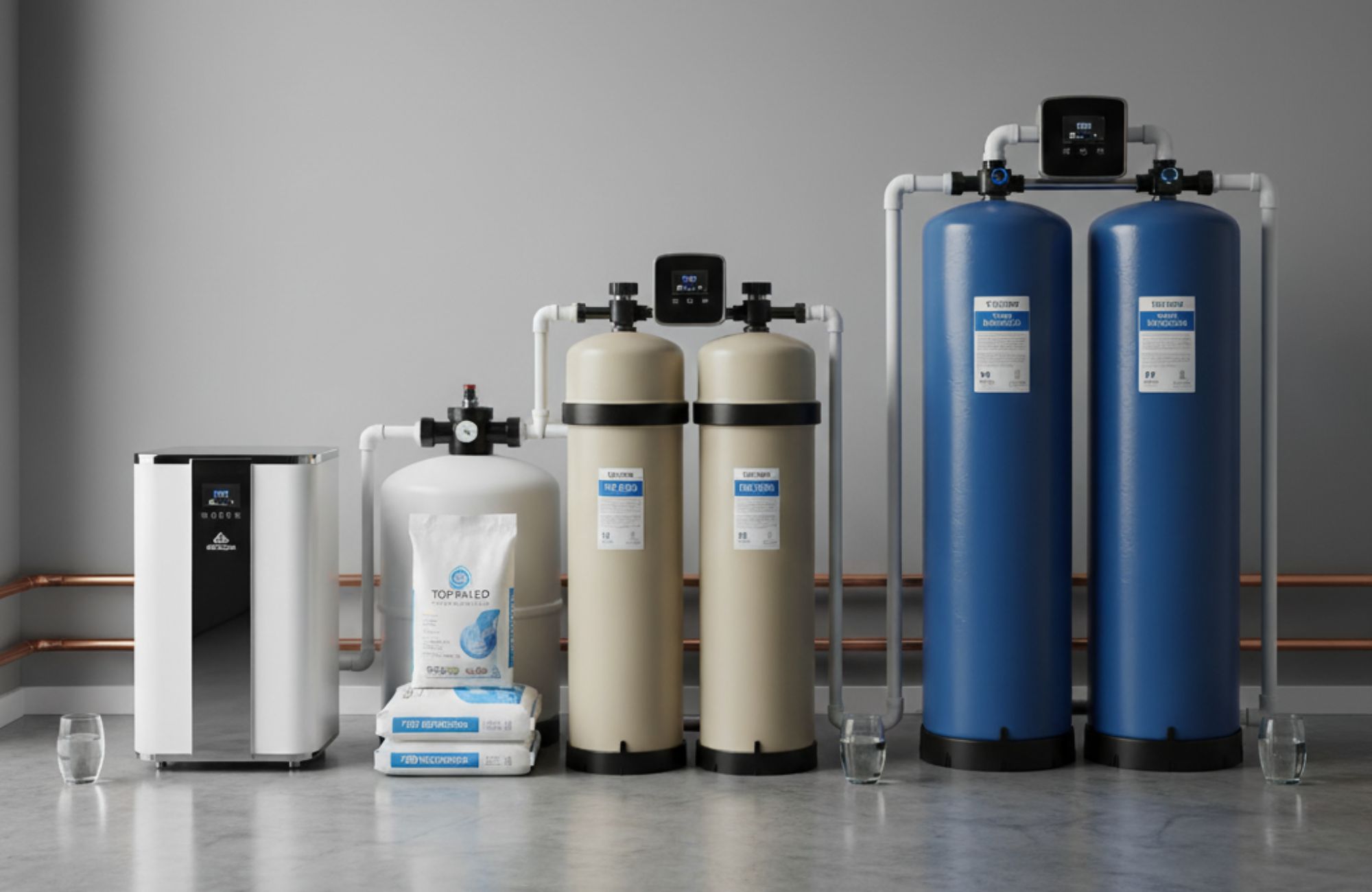
Let’s be honest: nobody wakes up dreaming about water softeners. You’re probably thinking, “Do I really need one?” or “Aren’t they all just expensive metal boxes?” I get it. But stick with me, because this is about the water that touches your skin, fills your coffee maker, and washes your favorite jeans.
You know that chalky white film on your shower door? Or the way your shampoo barely lathers anymore? That’s hard water. It’s like a sneaky villain that leaves calcium and magnesium deposits everywhere. Over time, it dries out your hair, makes your dishes spotty, and shortens the life of your appliances.
So, what’s the best water softener and filtration system? Spoiler: there’s no magical “one size fits all.” But there’s a perfect fit for your home. Think of it like choosing a pair of sneakers — you need the right size for your lifestyle.
Must Read
Why Bother? The “Ah-Ha” Moment
Imagine this: you wash your favorite dark T-shirt three times. With hard water, it looks faded and stiff. But with softened water, that shirt stays vibrant and soft like new. It’s not magic — it’s science that feels like a hug.
Or picture this: you make a pot of coffee. Hard water leaves mineral scale inside your machine. That scale ruins the flavor, making your morning brew taste bitter. A good filtration system pulls those minerals out, giving you a smooth, delicious cup every time.
You don’t need to be a chemistry nerd to care. You just need to care about your skin, your bills, and your sanity. Softened water means less soap, less detergent, and fewer repairs on your water heater.
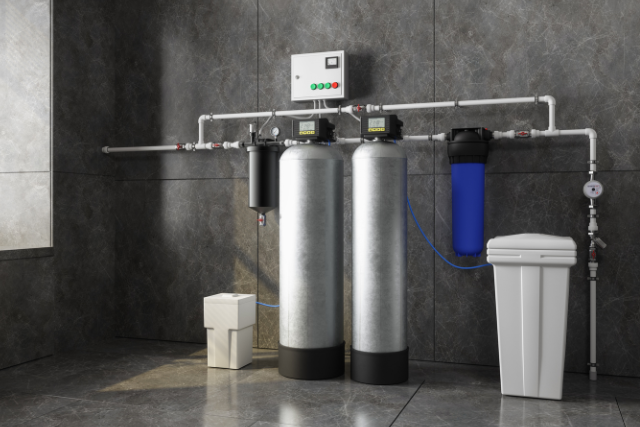 Top 3 Water Softener Systems for 2025: Which One Is Best for Your Home?
The Heart of the Matter: What to Look For
The “best” system combines two things: softening (removing calcium and magnesium) and filtration (removing chlorine, sediment, and bad tastes). Think of it as a two-layer cake — each layer does a different job.
For most families, a whole-house system is the MVP. It treats every tap: your kitchen sink, your bathroom shower, your laundry room. One friend of mine installed one and swore her towels went from “sandpaper” to “hotel fluff” overnight. She wasn’t exaggerating.
If you’re on a budget or live in an apartment, a countertop or under-sink filter is a solid start. It won’t soften the whole house, but it gives you great drinking water. Pair it with a showerhead filter to protect your hair and skin.
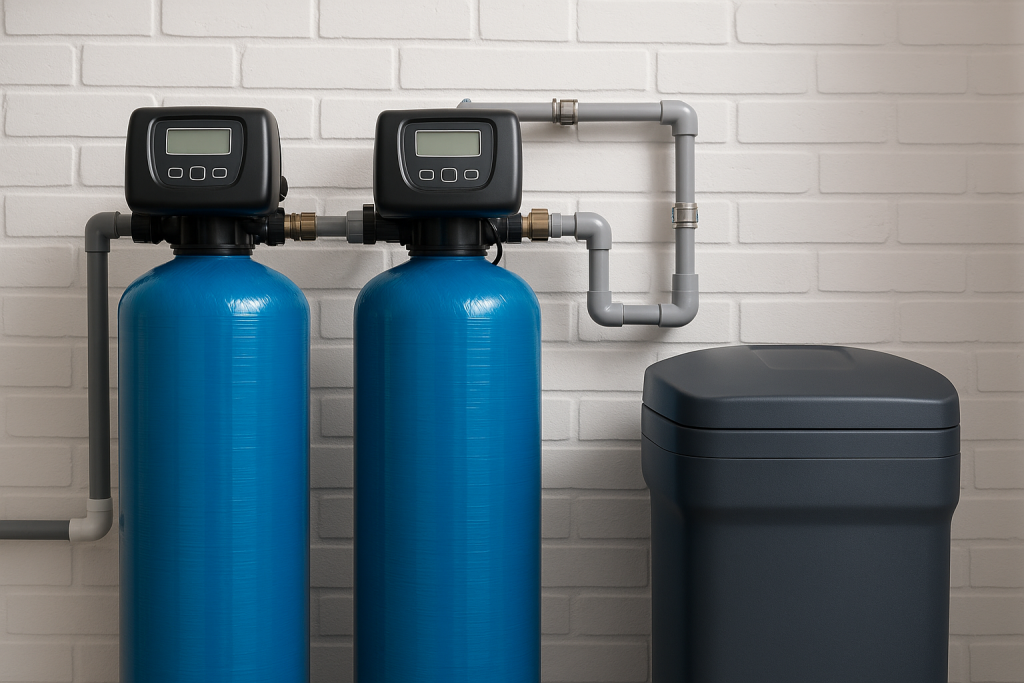 Whole Home Water Filtration Systems with Softener: A Complete Guide
Salt vs. Salt-Free: The Great Debate
Here’s where it gets personal. Salt-based softeners are the old reliable — they actually remove minerals via ion exchange. They’re powerful but require you to haul heavy bags of salt. If you have a basement, no sweat. If you’re in a condo, maybe not.
Salt-free systems don’t remove minerals; they condition them so they don’t stick to pipes. They’re low-maintenance and eco-friendly. But let’s be real: they’re less effective on very hard water. It’s like choosing between a power drill and a hand screwdriver — one is faster, but the other is gentler.
For drinking water, reverse osmosis (RO) is the gold standard. It removes almost everything — even tiny contaminants. The downside? It wastes some water during the process. But for that crisp, clean taste? Many say it’s worth the extra drop.
Real People, Real Choices
Take my neighbor Lisa. She has four kids, two dogs, and a stubborn coffee stain problem. She went with a whole-house dual-tank softener plus an RO faucet. Her dishwasher stopped leaving residue, and her kids’ skin rashes cleared up. She calls it her “secret weapon.”
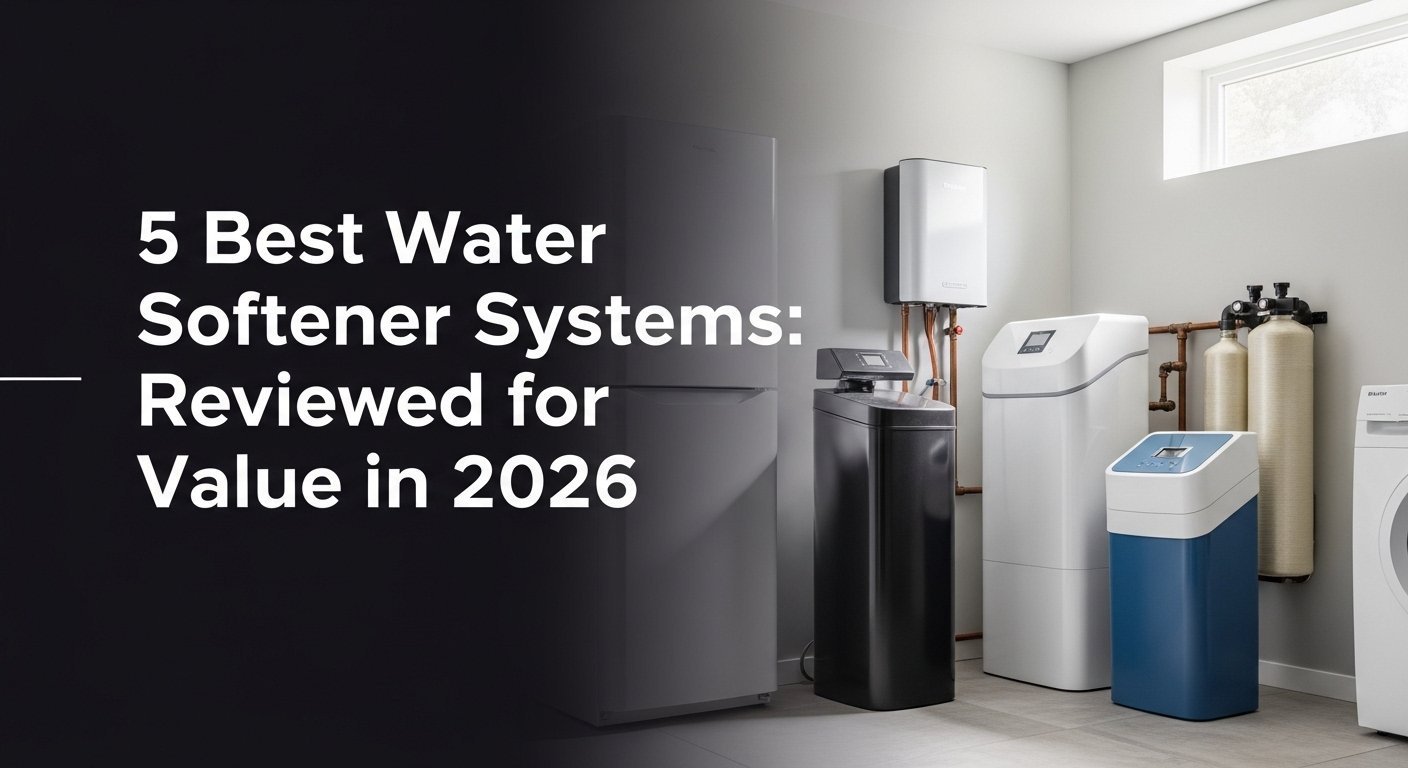 5 Best Water Softener Systems: Reviewed For Value In 2026
Then there’s my friend Mark, a single guy who lives in a small rental. He bought a 3-in-1 countertop filter that softens, filters, and alkalizes. He jokes that it makes his tap water taste like it’s from a mountain spring. He spends $0 on bottled water now.
How to Avoid Buyer’s Remorse
First, test your water. You can buy a cheap kit online or call your city utility. Know your hardness level — it’s your starting point. Second, think about your family size and daily usage. A family of six needs a larger tank than a couple.
Don’t fall for flashy advertising. Instead look for NSF certification — it’s a stamp that says the system actually works. Also, check warranty length. A good system should last 10–15 years with proper care.
 A Review of the Top 3 Water Softeners | Home water filtration, Whole
Lastly, read reviews from people with similar water conditions. Someone in Florida has different needs than someone in Minnesota. Real voices beat marketing hype every time.
The Bottom Line (No Pressure)
The best water softener and filtration system is the one that fits your wallet, your space, and your water’s personality. You don’t need to spend a fortune to get great results. Sometimes a simple combo — like a salt-free conditioner and a faucet filter — does the trick.
Remember: this isn’t about being fancy. It’s about making your everyday life a little easier, cleaner, and more comfortable. Soft water means fewer scuffs on your glasses. Filtered water means better-tasting lemonade on a hot day. That’s the kind of upgrade everyone deserves.
So go ahead — dip your toe in. Your future self (and your hair) will thank you. And when your coffee tastes amazing and your towels feel fluffy, you’ll smile and think, “Why didn’t I do this sooner?”
