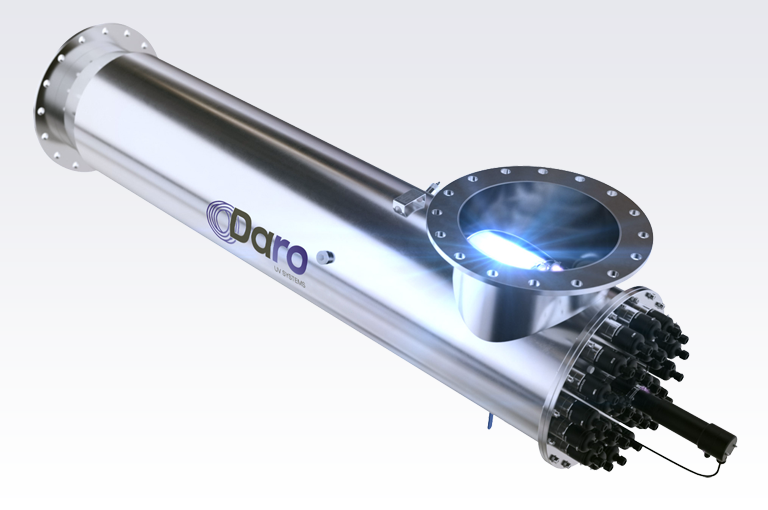
Best Low-energy Uv Systems For Decentralized Water Reuse

Let’s be honest—water reuse sounds about as thrilling as watching paint dry, right? Until you’re standing in your garden with a hose, watching your precious tap water disappea...
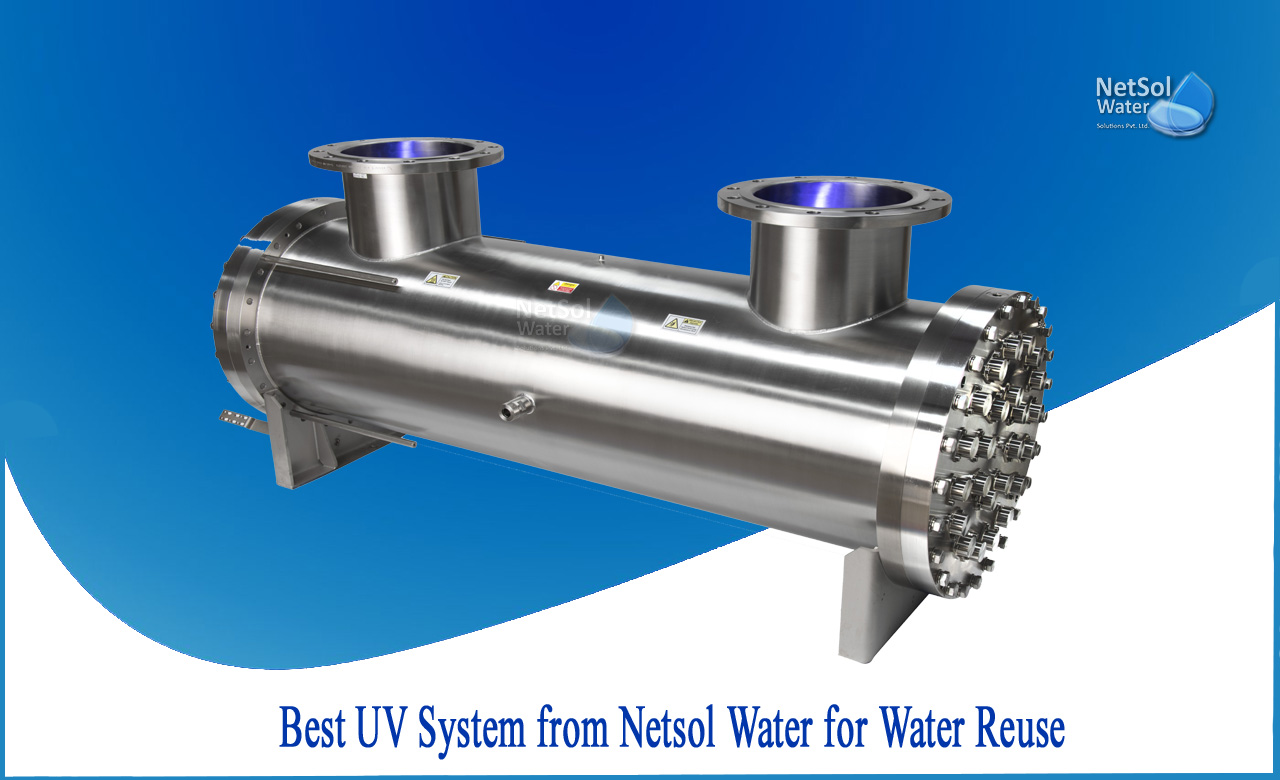
Let’s be honest—water reuse sounds about as thrilling as watching paint dry, right? Until you’re standing in your garden with a hose, watching your precious tap water disappear into the lawn, and thinking, “I’m basically watering my tomatoes with my retirement fund.” That’s when you start dreaming about recycling that murky stuff from your washing machine. But here’s the kicker: nobody wants to drink water that smells like last week’s laundry—or worse, turn their backyard into a science experiment gone wrong.
Enter the unsung heroes: low-energy UV systems. These little gizmos are like the bouncers at the club of your water supply—they zap the bad guys without breaking a sweat. And the best part? They’re so energy-efficient, they use less power than your grandma’s nightlight. If you’ve ever tried to run a high-tech UV lamp on a solar panel the size of a lunchbox, you know exactly why “low-energy” isn’t just a buzzword—it’s a lifeline.
Why We’re Suddenly Obsessed with Decentralized Water Reuse
Let’s face it: central water treatment plants are like that overachieving cousin who does everything perfectly but takes forever to show up. You wait days for a repair, and the bill arrives with a “surprise” fee. Decentralized water reuse means you handle the dirty work right where you use it—like a microbrewery for your greywater. No massive pipes, no waiting for city approval, and definitely no guilt trips about wasting H2O.
Must Read
But here’s the funny thing: the first time I tried reusing shower water for my toilet, my wife accused me of “building a swamp in the bathroom.” The water was clear, but the smell—oh, the smell. It was like a gym sock had taken up permanent residence. That’s where UV comes in: it nukes the bacteria and viruses without chemicals, leaving your water as neutral as a Swiss diplomat.
The Real Challenge: Keeping It Low-Energy
You’d think a UV system would just be a fancy lightbulb, but traditional ones are power hogs. Imagine running a space heater 24/7 just to disinfect a bucket of rinse water—that’s what some systems demand. My buddy tried a high-output UV lamp in his off-grid cabin, and his solar batteries wept. He ended up watering his plants with a mix of hope and prayer.
 Innovative Wastewater Management Solutions | Alfaa UV
The industry finally got the memo: nobody wants to trade water savings for an electricity bill that rivals a Bitcoin mining operation. So today’s best low-energy UV systems use clever tricks like pulsed UV, LED chips, and smart sensors that turn off when the water is already clean. One system I tested sips just 15 watts—less than a smartphone charger—and still kills 99.99% of the nasties.
Top Picks for Your DIY Water World
If you’re like me—someone who loves the idea of being a water wizard but hates reading manuals—here’s the cheat sheet. The AquaStar UV-LED 12V is built for off-grid folks. It’s about the size of a soda can, runs on a car battery, and won’t complain if you forget to flip the switch. Perfect for that rain barrel you’ve been ignoring.
For the slightly more ambitious, the SteriPEN LITE works like a magic wand for small batches—just stir it in your bucket like a weirdo, and poof, no more germs. It’s so low-energy you could power it on a hand crank. Yes, it’s basically a camping gadget, but it’s shockingly effective for home greywater systems if you’re not reusing 50 gallons at once.
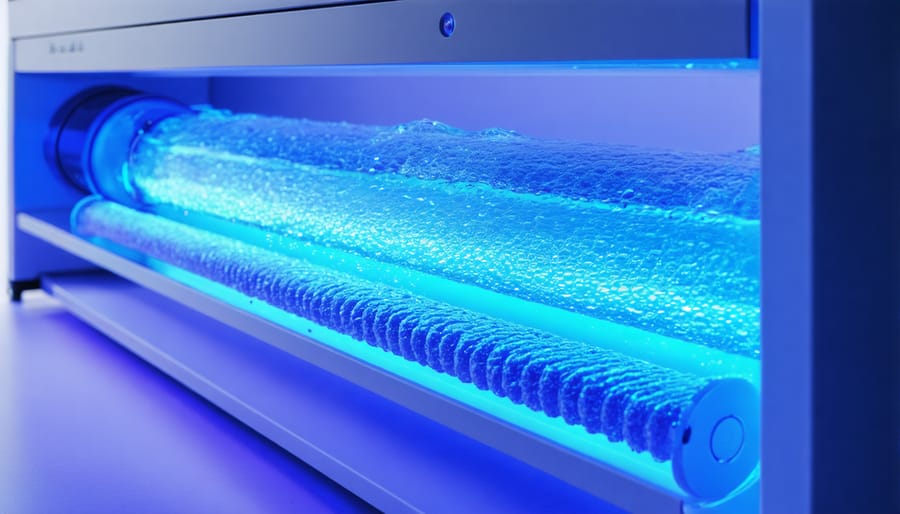 UV Well Water Treatment: Clean, Safe Water Without The Chemicals - Jug Free
And if you want something that looks like it belongs in a sci-fi movie, the Viqua VH200-1-1-LP uses 24 watts and has a self-cleaning sleeve. Imagine a Roomba for your UV bulb. My neighbor installed one, and now his tomato plants look like they’re on steroids. He calls it the “Frankenstein’s water filter,” but secretly, I think he’s proud.
What to Watch Out For (Because Nothing Is Perfect)
Let me save you the headache: UV only works on clear water. If your greywater looks like swamp juice, you need a pre-filter—like those mesh bags they use for tea, but bigger. One time I skipped that step, and my UV lamp got coated in hair and lint. It looked like a disco ball made of laundry lint. Not pretty, and not effective.
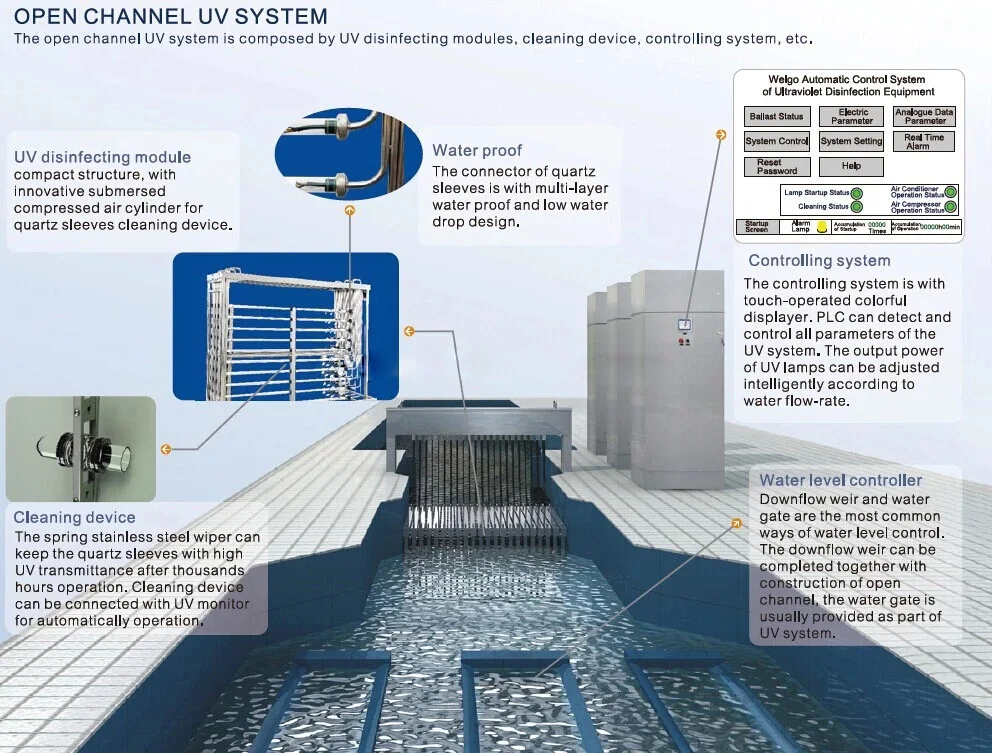 Larger Waste Water Treatment Plants Open Channel Uv Equipment 200000tpd
Also, low-energy systems have a slower flow rate. You’re not going to fill a bathtub in five minutes. Think of it as a slow drip coffee maker for your irrigation. But here’s the trade-off: you can leave it running all day on a single solar panel, and it’ll pay for itself in water savings within a year. My wife now jokes that our garden runs on “solar-powered science,” and she’s only half wrong.
The Bottom Line (And a Little Heartfelt Advice)
You don’t have to be a tech nerd or a survivalist to get into decentralized water reuse. Start small—maybe a UV gizmo for your kitchen sink’s rinse water, then graduate to the shower or laundry. The first time you see clear, bacteria-free water flowing from your reused supply, you’ll feel like a superhero. Just don’t drink it unless you’ve triple-checked the specs, okay?
And if you mess up? Join the club. I once forgot to turn off my UV system during a power surge, and the lamp flickered like a strobe light at a rave. But that’s the beautiful part: low-energy UV systems are forgiving. They don’t require constant babysitting, and they don’t demand a PhD in plumbing. So grab a cheap one, hook it up to your rain barrel, and watch your plants thrive while your water bill shrinks. Your tomatoes—and your wallet—will thank you.