Best Water System For House

Let’s be real: you probably don’t spend your weekends dreaming about pipes. But the moment you get a funky smell from the tap, or discover your shower is staining the grout, w...

Let’s be real: you probably don’t spend your weekends dreaming about pipes. But the moment you get a funky smell from the tap, or discover your shower is staining the grout, water instantly becomes your main character. Choosing the best water system for your house isn’t just about plumbing; it’s about curating a better daily experience.
Think of it as the ultimate upgrade for your home’s vibe. You’re not just filtering water; you’re telling your family, “We deserve the good stuff.” And the good stuff starts with understanding what’s actually coming out of your faucet.
The Three Contenders: Your Liquid Avengers
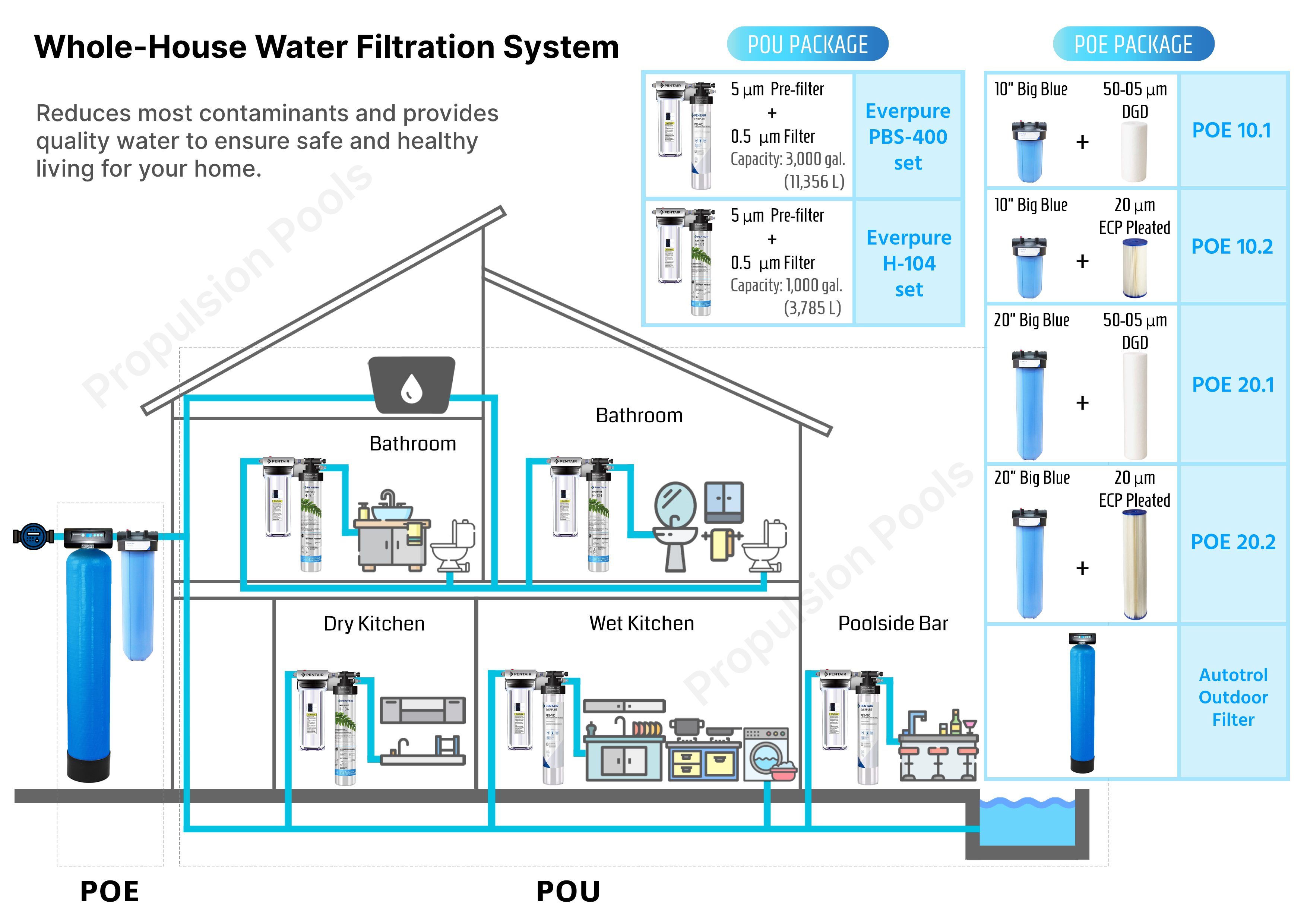
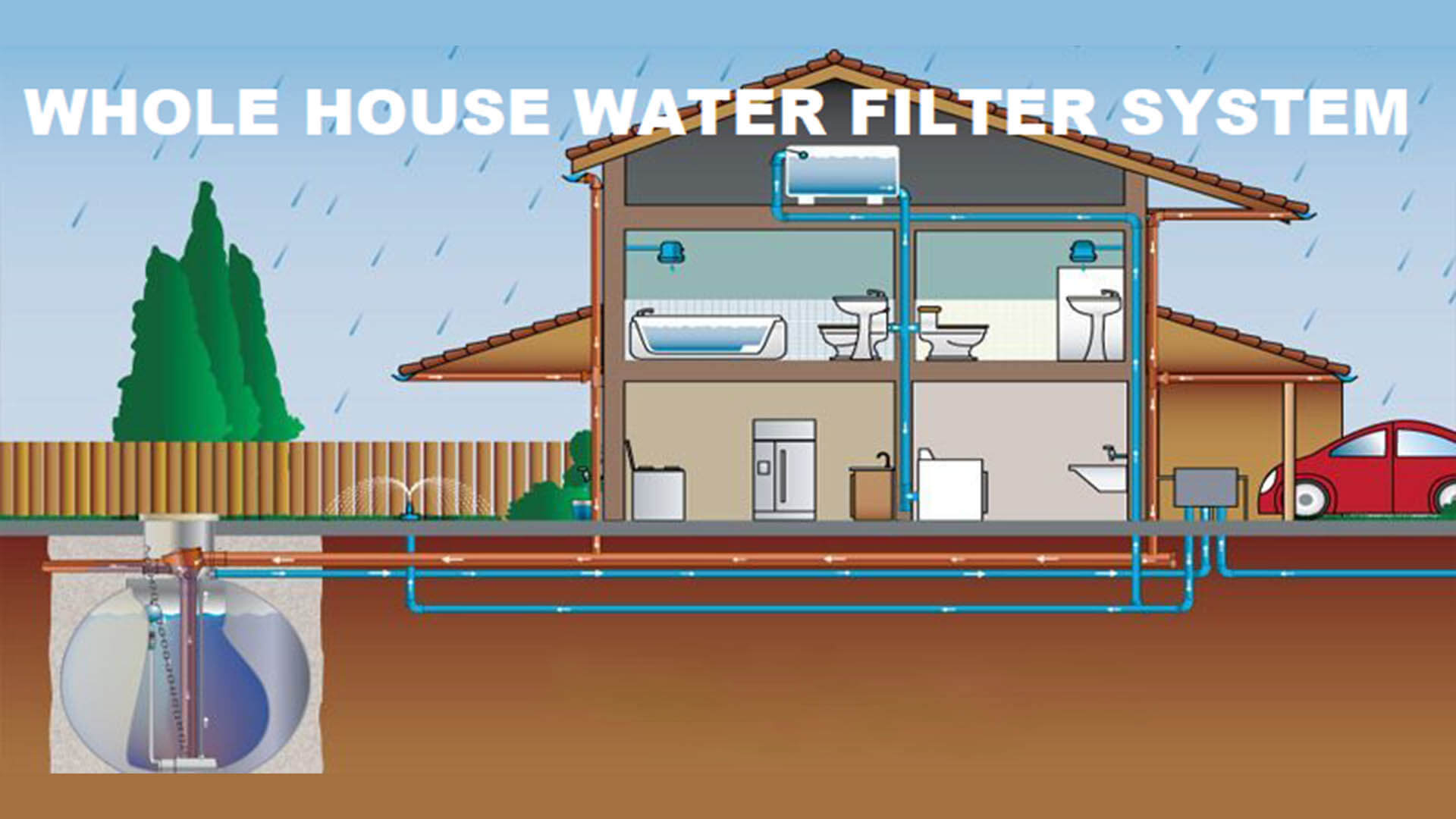
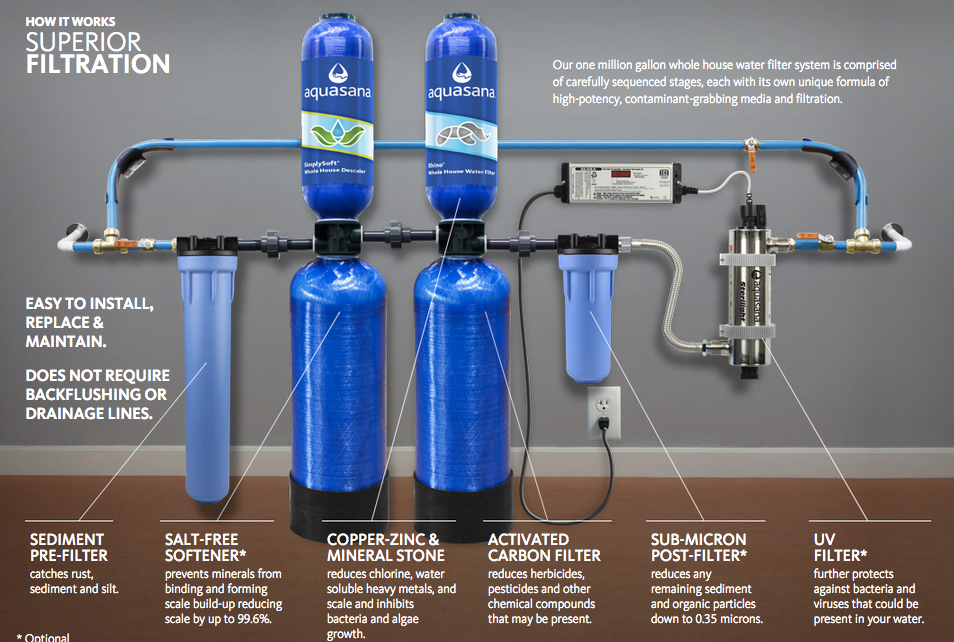
You have three main options, each with a distinct personality. Whole-house filtration is the overachiever, treating every drop that enters your walls. It’s like a bouncer for your plumbing, keeping sediment and chlorine out so your skin and appliances live longer.
Must Read
Then there’s under-sink reverse osmosis (RO), the perfectionist. This system is a bit extra—it strips almost everything out, giving you water that’s basically a blank canvas for coffee, cocktails, or baby formula. Fun fact: NASA uses a similar system to reclaim water on the International Space Station. Yes, it’s that clean.
Finally, we have the countertop or faucet-mounted filter, the low-fuss friend. It’s affordable, easy to install, and perfect for renters or anyone who doesn’t want to call a plumber. Just don’t expect it to solve hard-water nightmares.
How to Pick Your Player (Without the Headache)
Start by looking at your water report. You can usually find it online through your local utility, or grab a simple test kit from a hardware store. Know your enemy: Is it chlorine, hard minerals, lead, or just a weird taste?
 What Is A Good Home Water Filtration System at Sabrina Evans blog
If your skin feels tight after a shower or your dishes have spots, a whole-house water softener is your best bet. It swaps calcium and magnesium for sodium, making your hair silkier and your water heater happier. It’s the unsung hero of modern comfort, right up there with memory foam.
For drinking and cooking, I’d personally lean into a two-stage under-sink RO system with a remineralization filter. Why? Because stripping everything out leaves water flat. The remineralization adds back tiny bits of healthy calcium and magnesium, giving it that crisp, mountain-spring mouthfeel. It’s science, but also a little bit of magic.
The Hidden Hero: Your Pipes and Temperature
Here’s a cultural reference for you: remember that scene in Almost Famous where the band is just sitting around talking? That’s your water heater—totally underappreciated until it fails. Your water system is only as good as the pipes it travels through.
 Urban Prepping Must-Have - Choosing the Best Water Filtration Systems
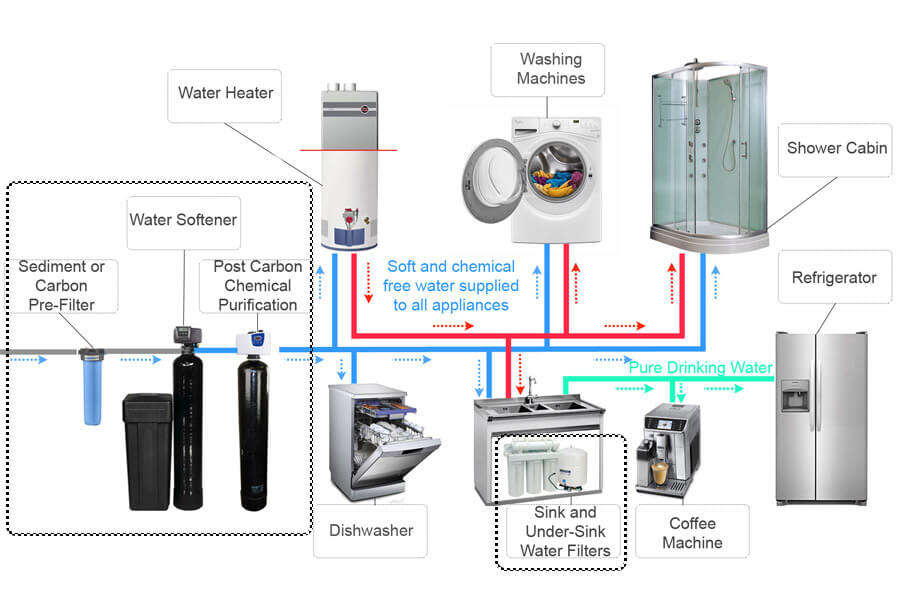
If you have old copper or lead pipes, even the best filter can’t fix contamination that happens after the water leaves your system. Insulate your pipes and consider a point-of-entry filter before the water even hits your water heater. Your future self will thank you when the hot water runs clear.
Practical tip: Flush your water heater annually. Sediment builds up and ruins efficiency faster than a bad habit. It’s like exfoliating your home—gross but necessary.
Installation: DIY vs. Calling for Backup
Countertop filters are a no-brainer DIY. Screw it on, run it, done. But for whole-house systems or under-sink RO, please hire a licensed plumber unless you enjoy waking up to a flooded kitchen. The cost of installation is usually $200–$500, which is cheap compared to water damage from a leaky connection.
One fun detail: reverse osmosis systems produce wastewater at a ratio of about 1:1 or 2:1. That means for every gallon of clean water, you dump a gallon down the drain. Newer models are much more efficient, but if you’re eco-conscious, look for a zero-waste RO system or use that “waste” water for your garden. Your succulents won’t mind the extra minerals.
 What Is The Best Whole House Water Filter System: Ultimate Guide 2025
The Aesthetic Touch: Design Meets Function
Let’s be honest—some water systems look like a sci-fi lab exploded under your sink. But brands like Aquasana, iSpring, and Culligan now make sleek, compact designs. You can get a brushed nickel faucet with a separate filtered water spout that actually looks good.
For the minimalist crowd, there are tankless RO systems that sit neatly under the sink without a bulky storage tank. They’re smaller, quieter, and far more Instagrammable. Remember, your kitchen is the heart of the home—why should your water system be an eyesore?
And if you’re feeling a little Downton Abbey, consider a hot water recirculation pump integrated with your filter. Instant hot water for tea? Yes, please. It’s the 21st-century version of having a butler.
 Best Whole House Water Filter System — Guide & Reviews
The Cost of Clarity: Breaking Down Dollars and Sense
A basic countertop filter runs about $30–$100. A good under-sink RO system will cost $150–$400, plus installation. Whole-house systems? Those range from $500 to $2,000 depending on complexity. But here’s the math: bottled water costs roughly $1.50 per gallon. Your tap water (filtered) costs less than a penny per gallon. You do the math. In one year, a decent system pays for itself.
Also, filtered water means less scaling on your appliances—coffee makers, ice makers, kettles—which means fewer repairs. It’s the little things that add up to a quieter, more functional home.
A Final Reflection: The Water We Carry
In many cultures, offering someone water is a gesture of welcome. In Japanese culture, the act of pouring tea is a meditative ritual. We often take water for granted until we don’t have it, or until it tastes like a swimming pool.
So when you finally install that system, fill a glass, hold it up to the light, and take a sip. Notice the clarity, the slight sweetness, the absence of that metallic aftertaste. This is your water now. It’s a small, quiet revolution in your own kitchen—a daily reminder that you chose health, you chose comfort, and you chose to invest in the most essential element of being alive. Cheers to that.
