Best Water Filter For Arsenic

So, you’ve just discovered that arsenic might be lurking in your tap water. Yeah, not exactly the fun fact you wanted for your Tuesday, right? Before you panic-sparkle your w...
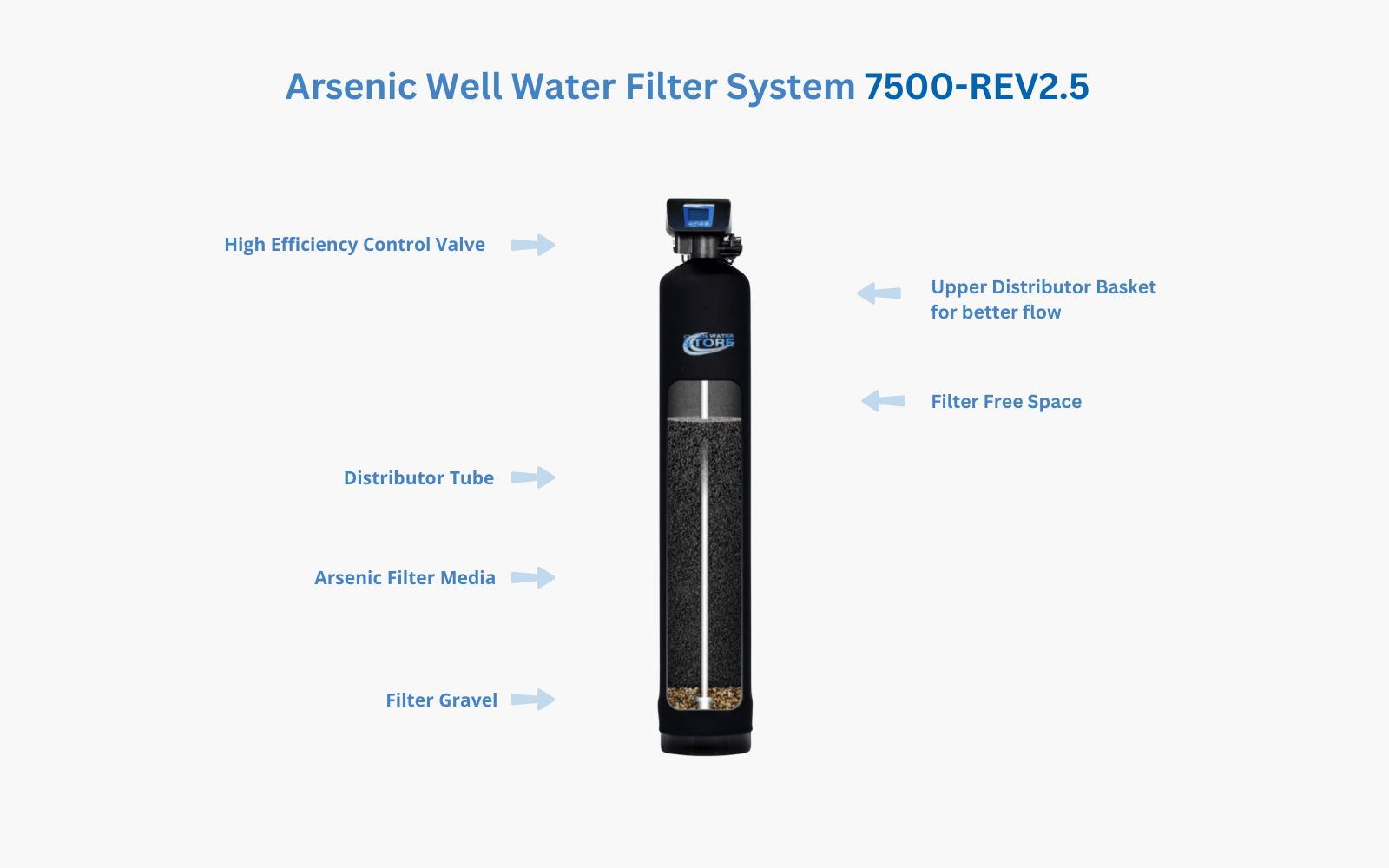
So, you’ve just discovered that arsenic might be lurking in your tap water. Yeah, not exactly the fun fact you wanted for your Tuesday, right?
Before you panic-sparkle your way into a buying frenzy, take a deep breath. Finding the best water filter for arsenic isn’t as scary as it sounds—it’s actually kind of a detective game.
Let’s get one thing straight: arsenic is a sneaky villain. It doesn’t have a flavor, a smell, or a creepy color; it just hangs out in your glass, sipping tea and ruining your day.
Must Read
But you, my friend, are about to become the home filtration hero. Grab your metaphorical cape, and let’s hunt down the right filter together.
First, Know Your Arsenic Type (Yes, There Are Two)
Arsenic comes in two main flavors: arsenic III and arsenic V. Think of them as the evil twin and the slightly-less-evil twin.
Arsenic V (pentavalent) is the easier one to remove—it’s already charged up and ready to be caught. Arsenic III (trivalent) is the ninja: uncharged, slippery, and way harder to trap.
Most basic filters only handle Arsenic V. For the full arsenic annihilation, you need a filter that tackles both types. Otherwise, you’re just waving at the ninja as it swims past.
The Contenders: Filters That Actually Work
Let’s skip the gimmicks (no, a charcoal pitcher won’t save you). Here are the heavy hitters for removing arsenic from water.
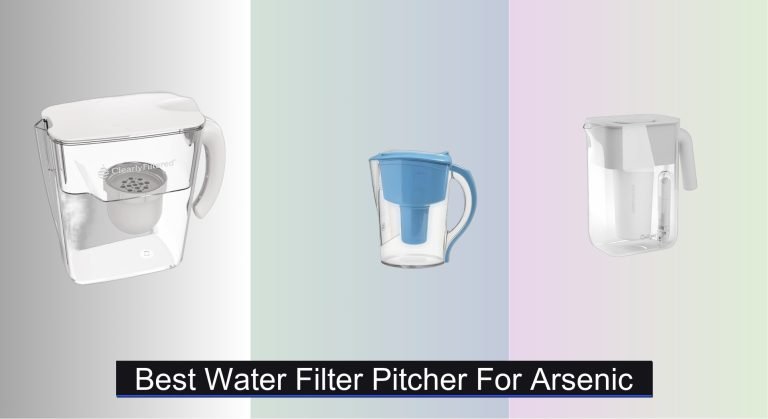 7 Best Water Filter Pitchers for Arsenic Removal (2025 Guide)
Reverse Osmosis (RO): The Overachiever
Reverse Osmosis is the gold standard for arsenic removal. It shoves water through a super-fancy membrane that laughs in the face of arsenic molecules.
Most RO systems remove over 90% of total arsenic, including both III and V (if you get one with a pre-filter that converts the ninja). It’s like a bouncer at a club who checks everyone’s ID—no nasty metals get in.
The downside? It wastes a bit of water (you’ll hear it dripping like a slow leak of regret), and it’s slower than a sloth on a coffee-free Monday. But hey, patience is a virtue, especially when you’re not drinking poison.
Activated Alumina: The Specialist
Activated alumina is a media filter designed specifically for arsenic. It’s like a magnet for the bad stuff, latching onto arsenic ions and refusing to let go.
This stuff is great because it works at regular water pressure—no electricity or extra pumps needed. Just install it and let science do its thing.
 The 3 Best Water Filters for Arsenic Removal
Heads up: you’ll need to replace the media every few years. But think of it as giving your filter a spa day; it deserves a fresh start.
Distillation: The Old-School Hero
Distillation boils water into steam and then condenses it back into liquid. It’s like nature’s do-over—everything nasty stays behind in the pot.
This method removes arsenic really well, including that pesky Arsenic III. It also kills bacteria, viruses, and your lingering doubts about water safety.
On the flip side, it’s slow and uses a lot of electricity. You’ll basically be running a tiny, thirsty kettle all day. Also, distilled water tastes a bit flat—like a mirror’s echo of water.
The "But I’m on a Budget" Section
If an RO system costs more than your weekly grocery run, don’t stress. There are under-sink filters with special arsenic cartridges that won’t break the bank.
 Top 5 Water Filters 2024 – Best Clean Water Solutions for Home
Look for filters certified by NSF/ANSI Standard 53 for arsenic removal. That little logo is your water warrior badge—it means the filter has been tested and didn’t just make promises at a keg party.
Also, consider a whole-house system if your well water is particularly arsenic-happy. But for most folks, a simple point-of-use filter (under the kitchen sink) is plenty.
Things to Avoid: The "Good Enough" Traps
Do not rely on a Brita or Pur pitcher for arsenic. Those are for taste and chlorine, not for heavy metals. They’re like bringing a water balloon to a firefight.
Also, avoid any filter that doesn’t list arsenic removal in big, bold letters on the box. If it’s hiding in the fine print, it’s probably lying.
And please, for the love of hydration, don’t trust a glowing rock or a copper jug you saw on Etsy. Arsenic does not surrender to vibes.
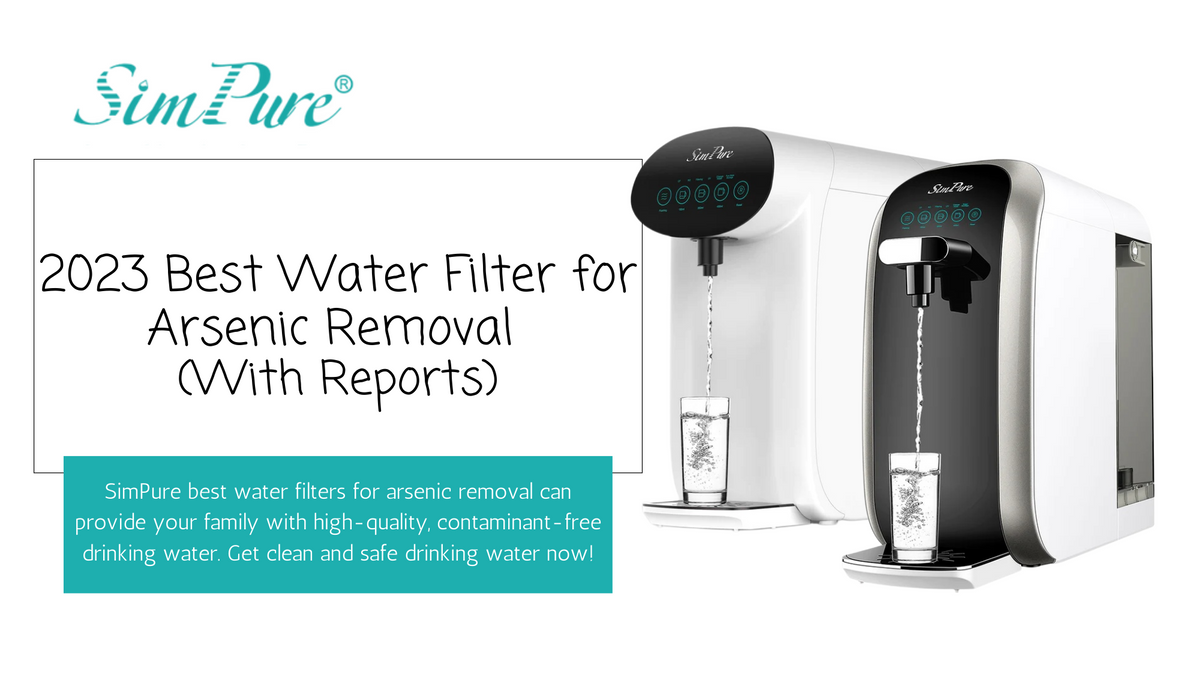 Filters For Arsenic In Water at Helen Byrne blog
Final Test: Do I Need One?
If you’re on a private well, you really should test your water first. Arsenic is natural in some soils, and you don’t want to guess.
Buy a home test kit (they’re cheap) or send a sample to a lab. Knowledge is power—and also peace of mind.
If you’re on city water, your utility likely keeps arsenic low. But if you’re paranoid (and let’s be honest, water-paranoia is healthy), a filter doesn’t hurt.
Uplifting Conclusion (You Made It!)
Look at you—you’ve survived the arsenic info dump and now know more about water filtration than most science teachers. That’s pretty awesome.
Remember, this isn’t about fear; it’s about empowerment. You’re literally choosing to turn your tap into a source of pure, life-giving joy. That’s a win.
So go ahead, buy that filter, install it with a proud smirk, and pour yourself a glass of ultra-clean, arsenic-free water. Cheers to you, your health, and the fact that you just outsmarted a toxic element. You absolute legend.
