Best Salt For A Water Softener

Let’s be honest: your water softener is probably the unsung hero of your home. While you’re busy binging your favorite shows, it’s quietly fighting the good fight against that...

Let’s be honest: your water softener is probably the unsung hero of your home. While you’re busy binging your favorite shows, it’s quietly fighting the good fight against that chalky, annoying mineral buildup we call hard water. But here’s the kicker—your softener is only as good as the salt you feed it. Yes, salt matters, and picking the wrong one can turn your slick, silky showers into a scaly nightmare.
So, what’s the best salt for a water softener? Spoiler alert: the answer isn’t just “any old bag from the grocery store.” We’re talking about a choice that can save you money, extend your appliance’s life, and—dare I say—make your water feel like a five-star spa experience. Let’s dive into the salty specifics, shall we?
The Three Musketeers of Softener Salt
You’ll find three main types on the shelf: rock salt, solar salt, and evaporated salt (aka pellet salt). Rock salt is the cheapest—like the bargain-bin option. It’s mined directly from underground, but it’s loaded with insoluble impurities that can gunk up your brine tank. Think of it as the fast-food burger of the salt world: it’ll do the job, but you’ll pay for the mess later.
Must Read
Solar salt is a step up, created by letting seawater evaporate in the sun. It’s purer than rock salt, but still carries some sediment. And then we have evaporated salt—the premium, fluffy, white pellets that are 99.9% pure. This is your gold standard. Why? It dissolves cleanly, leaves almost no residue, and protects your softener’s inner workings like a velvet glove.
Why Purity Is Your Best Friend
Imagine you’re making a perfect cup of tea, but you accidentally drop a teaspoon of mud into it. Gross, right? That’s what impure salt does to your softener. The more pure the salt, the fewer “mud” particles clog your tank and valves. Less clogging means fewer repairs and a happier you.
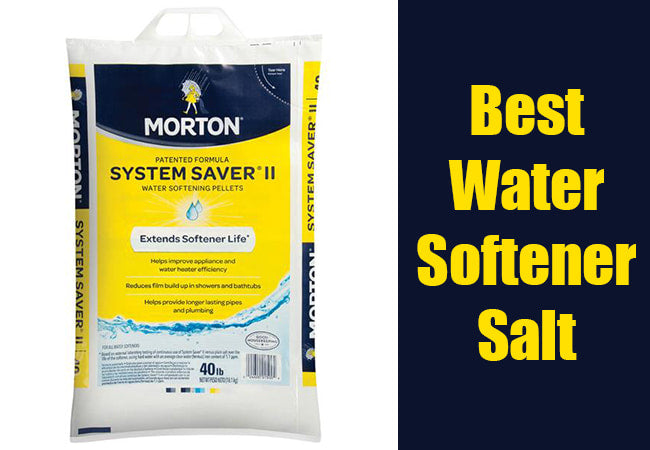 Morton Water Softener Salt Review. Is It Worth The Buy? – Filtersmart
Pro tip: look for salt labeled “extra coarse” or “pellet” for optimal dissolving. Avoid “fine” salt—it can bridge together in your tank, forming a crusty hard layer that stops water from flowing. Nobody wants a salt bridge, folks. It’s like a traffic jam for your water.
The Magnetic Salt Myth (No, Really)
You might have heard about “magnetic” or “anti-scale” salt additives. Let me save you some confusion: ignire them. These gimmicks often cost more but do nothing extra for softening. The real magic is in the sodium chloride itself, not some fairy dust. Stick to the basics—your water softener is a simple machine; it just wants clean, pure salt.
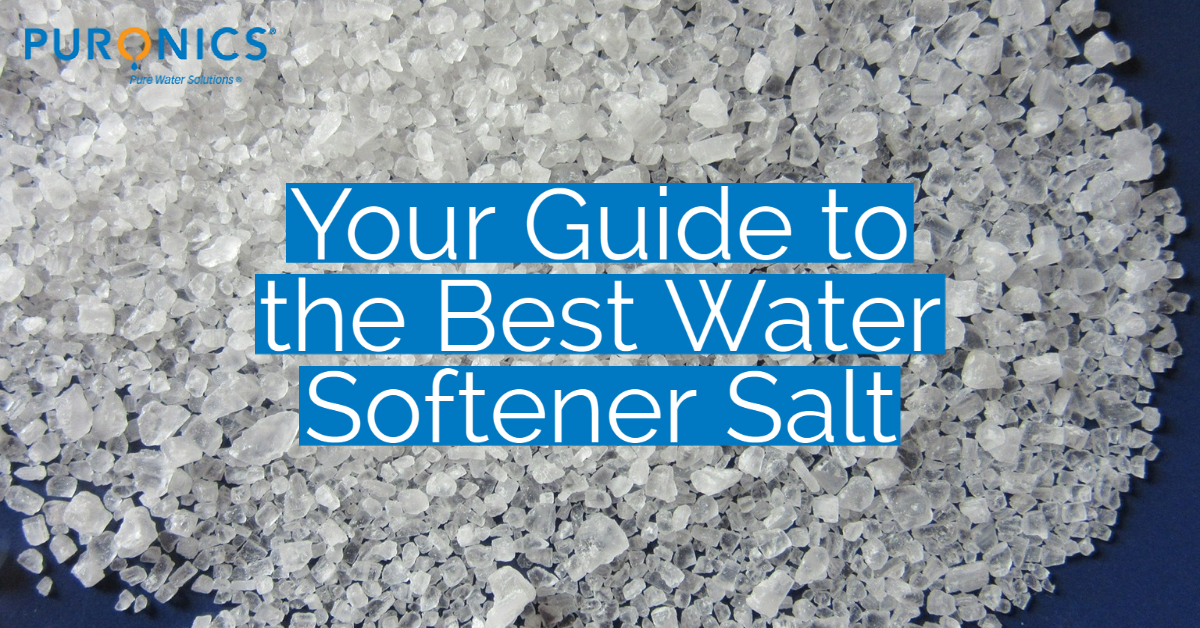 What Is The Best Salt To Use In Water Softeners at Victoria Thomason blog
But wait—there’s one exception: potassium chloride. This is a salt alternative for people on low-sodium diets or with septic systems. It’s pricier, but it works. Just don’t expect it to turn your water into a love potion—it’s the same softening process, minus the sodium. Your call!
Bag-Handling Wisdom from the Trenches
Here’s where life gets fun: store your salt bags off the floor, in a dry spot. Moisture can turn your pristine pellets into a cement-like blob. And never, I repeat, never reuse a bag that held fertilizer or chemicals. You think you want peppermint-scented water? No, you don’t.
 The Best and Worst Salt for Your Water Softener - Water eStore
Also, buy in bulk if you have the space. That 40-pound bag might look heavy now, but think of the arm workout! Plus, you’ll avoid panicked midnight runs to the store when your softener beeps like a sad robot.
Does Size Actually Matter? (Yes, a Little)
Salt pellets come in different sizes, but don’t overthink it. Most modern softeners prefer 1-inch pellets, which fit nicely without jamming. Check your owner’s manual—or, if you’re like me and lost it three moves ago, look up your model online. I promise, 30 seconds of research can save you a weekend of frustration.
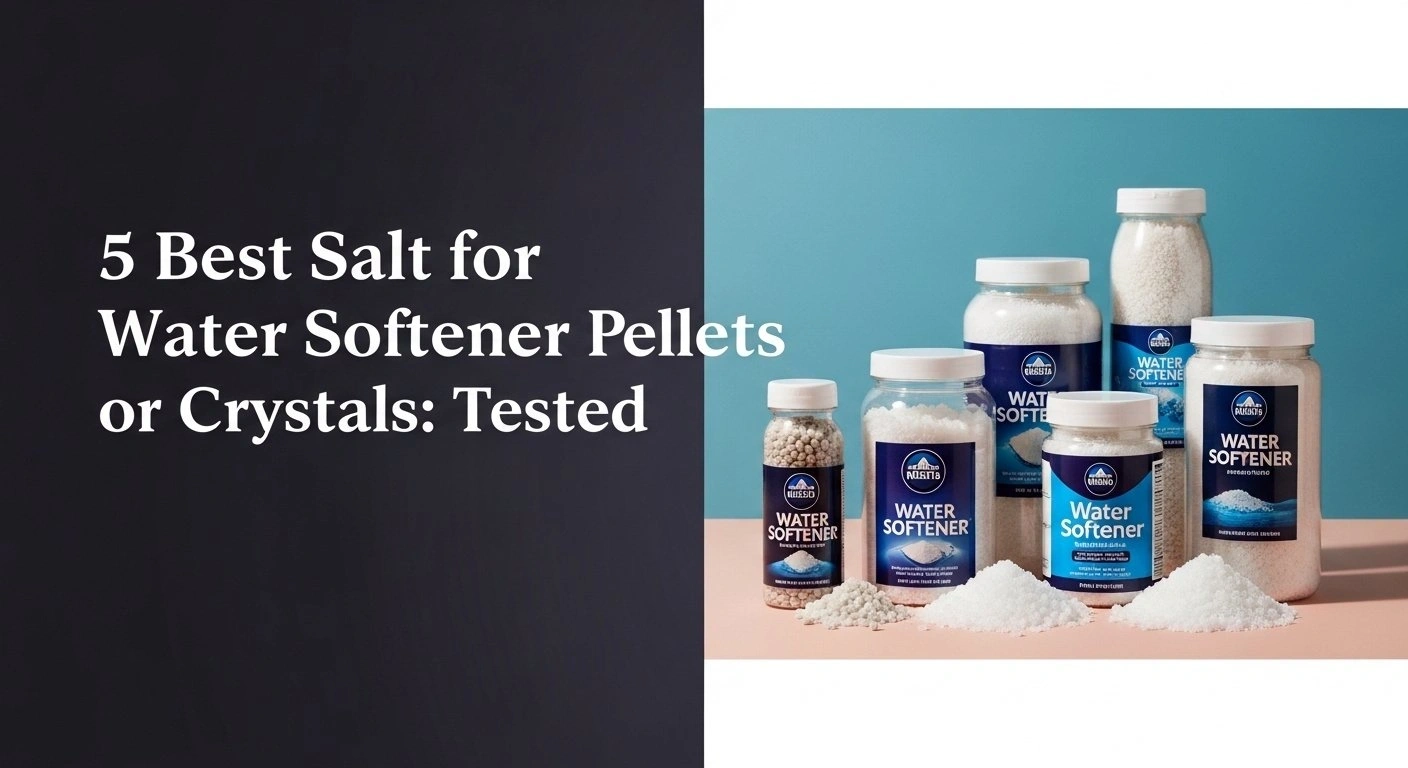 5 Best Salt For Water Softener Pellets Or Crystals: Tested
And here’s a fun hack: if you notice your water feeling slightly slippery (that’s the good kind of slippery), but then it suddenly gets hard again, you might have a salt bridge. Grab a broom handle and gently break up the crust in your brine tank. You’re basically a water-whisperer now.
The Uplifting Takeaway
Look, picking the best salt isn’t about being a perfectionist. It’s about choosing joy in the little things—like your skin feeling silky after a shower, or your glassware sparkling without spots. The right salt transforms a chore into a small luxury.
So next time you’re at the store, grab that bag of pure evaporated pellets. Toss it in your cart with a confident grin. You’re not just buying salt; you’re investing in a life that’s a little softer, a little easier, and a whole lot more refreshing. And who doesn’t want that? Go ahead—make your water softener the hero it was born to be. I’ll be right here cheering you on.
