Do Water Softeners Add Salt To The Water

Let’s tackle a question that’s probably crossed your mind while staring at a water softener: does it actually add salt to your drinking water? The short answer is a reassuring...
Let’s tackle a question that’s probably crossed your mind while staring at a water softener: does it actually add salt to your drinking water? The short answer is a reassuring no, but the full story is way more fun than you’d think. And trust me, understanding this little mystery can make your morning glass of water feel like a tiny victory.
The Big Salt Myth—Busted!
Here’s the deal: a water softener uses salt to clean its internal resin beads, but that salt never ends up in the water you drink. Think of it like a dishwasher—your detergent tablet cleans the dishes, but you don’t eat the tablet. The salt in a softener is a workhorse, not an ingredient.
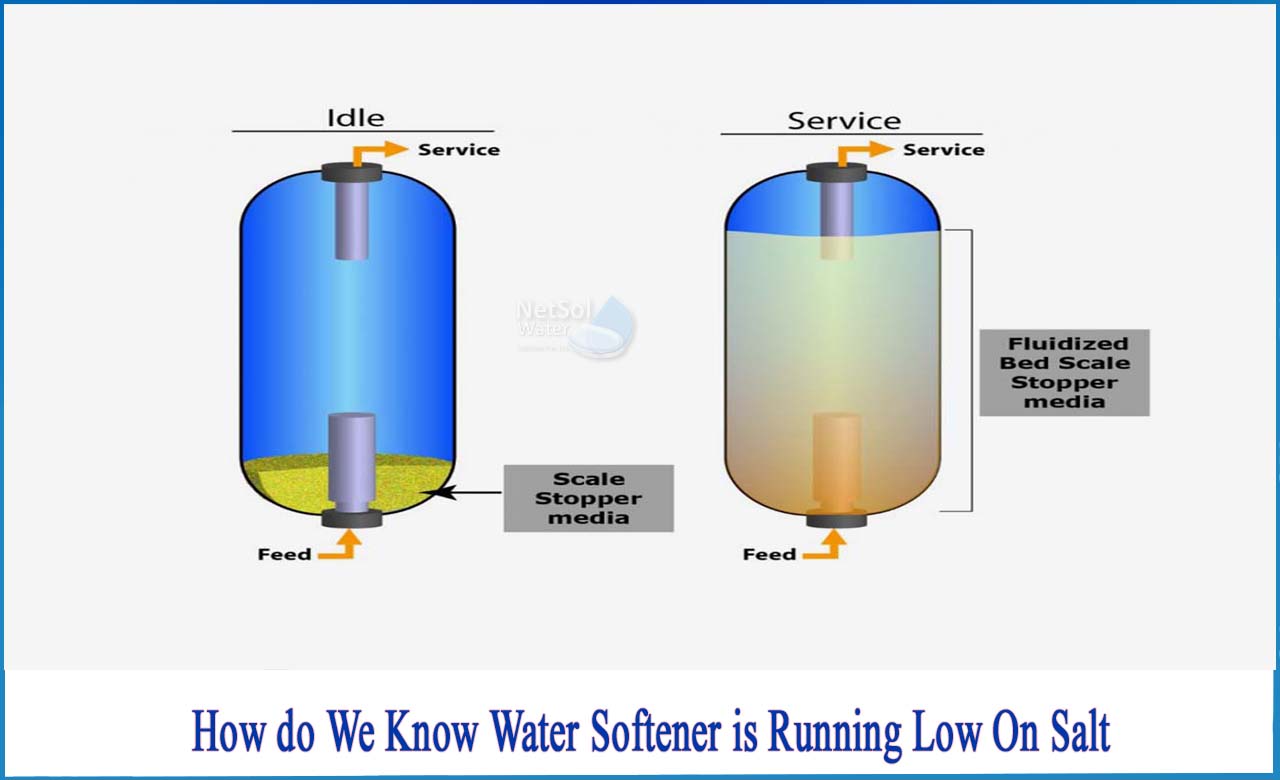
During the regeneration cycle, salty brine flushes through the resin to remove hard minerals like calcium and magnesium. That salty water is then rinsed away and sent down the drain. What comes out of your tap is soft water—period. No added sodium for your tea or pasta.
Must Read
So, What’s Actually in Your Water?
What you get is water that’s had its hard minerals swapped for a tiny amount of sodium ions. But here’s the kicker: the sodium level is so low—usually less than a slice of bread—that even people on low-sodium diets often deem it fine. The EPA considers water with up to 20 mg per liter as “low sodium,” and most softeners keep you well under that.
If you’re still worried, you can install a separate reverse osmosis system under your sink. But for daily life? You’re basically drinking water that’s just friendlier—no scale buildup, no chalky spots, and hair that actually feels silky.
Why This Makes Life More Fun (Seriously!)
Imagine never scrubbing a showerhead again. Or pouring a glass of iced tea that tastes crisp, not metallic. With soft water, your soap lathers like a dream, your dishes sparkle without streaks, and your laundry feels fluffy instead of stiff. It’s the little things, right?
And here’s the best part: you can still enjoy your morning coffee without any salty aftertaste. Because, again, the salt never touches your cup. That’s a win for breakfast, a win for your plumbing, and a win for your sanity.
The “Fun” Chemical Reality Check
Let’s geek out for a second: the ion exchange process is basically a swap meet for minerals. Hard calcium and magnesium ions trade places with sodium ions from the resin. The sodium sticks to the resin, while the hard minerals get flushed away. No saltwater flows into your pipes—just beautifully softened H2O.
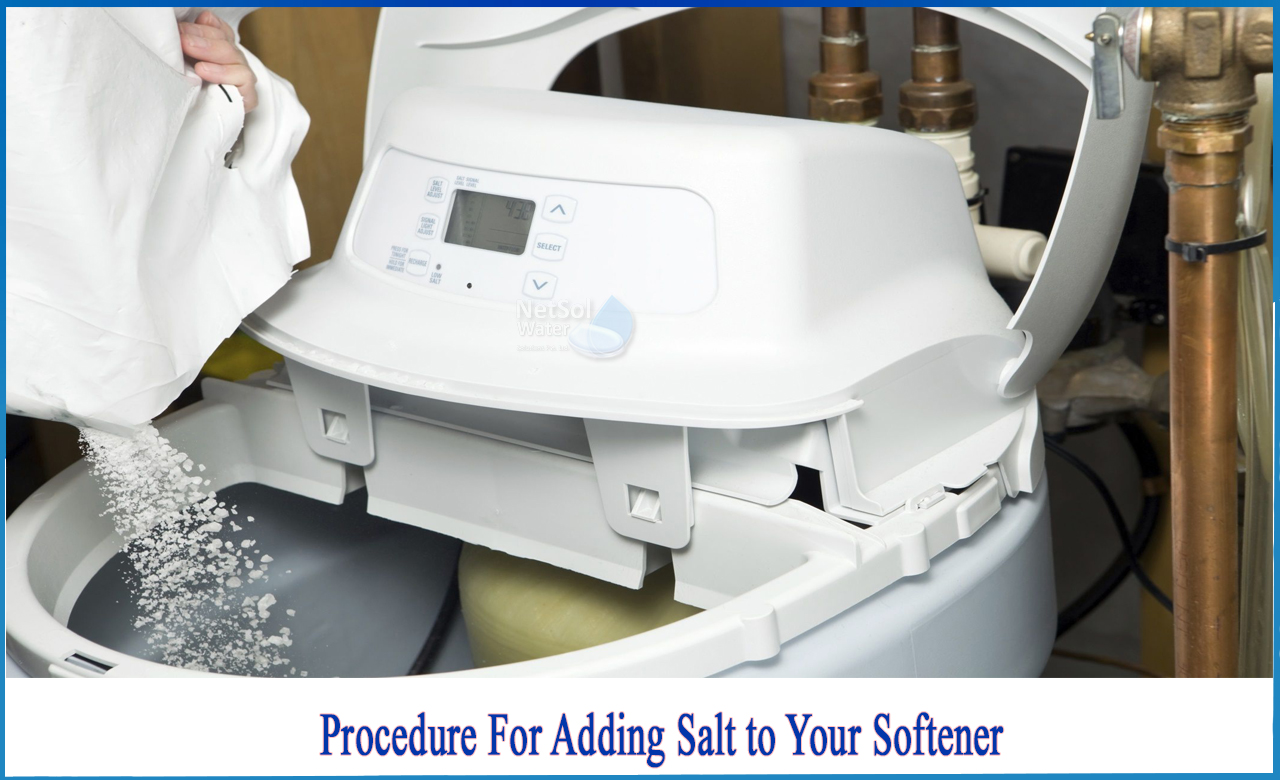 How to add salt to the water softener
So if someone tells you a water softener adds salt to your water, you can smile and say, “Actually, it’s a mineral swap, not a salt shake.” You’ll sound like a genius at dinner parties.
What About Taste? A Quick Test
If you’re still skeptical, do this: fill two glasses—one with tap water before softener, one after. Take a sip. The softened water might taste slightly different because it lacks the harsh minerals, but it won’t taste salty. I guarantee you’ll notice a smoother, cleaner flavor instead.
My own taste test ended with me declaring, “This is how water should always be.” No salt, just satisfaction.
Inspiration for Your Next Adventure
Here’s the uplifting note: understanding something as simple as a water softener can change how you experience your home. It’s not about a machine—it’s about taking control of small comforts. You now know that salt is a behind-the-scenes hero, not a hidden ingredient.
So go ahead, fill that glass, take a sip, and feel a little smarter. There’s a whole world of everyday science waiting to make life easier—and you just unlocked one tiny, sparkling piece of it. Cheers to soft water, clear skies, and a curious mind!
